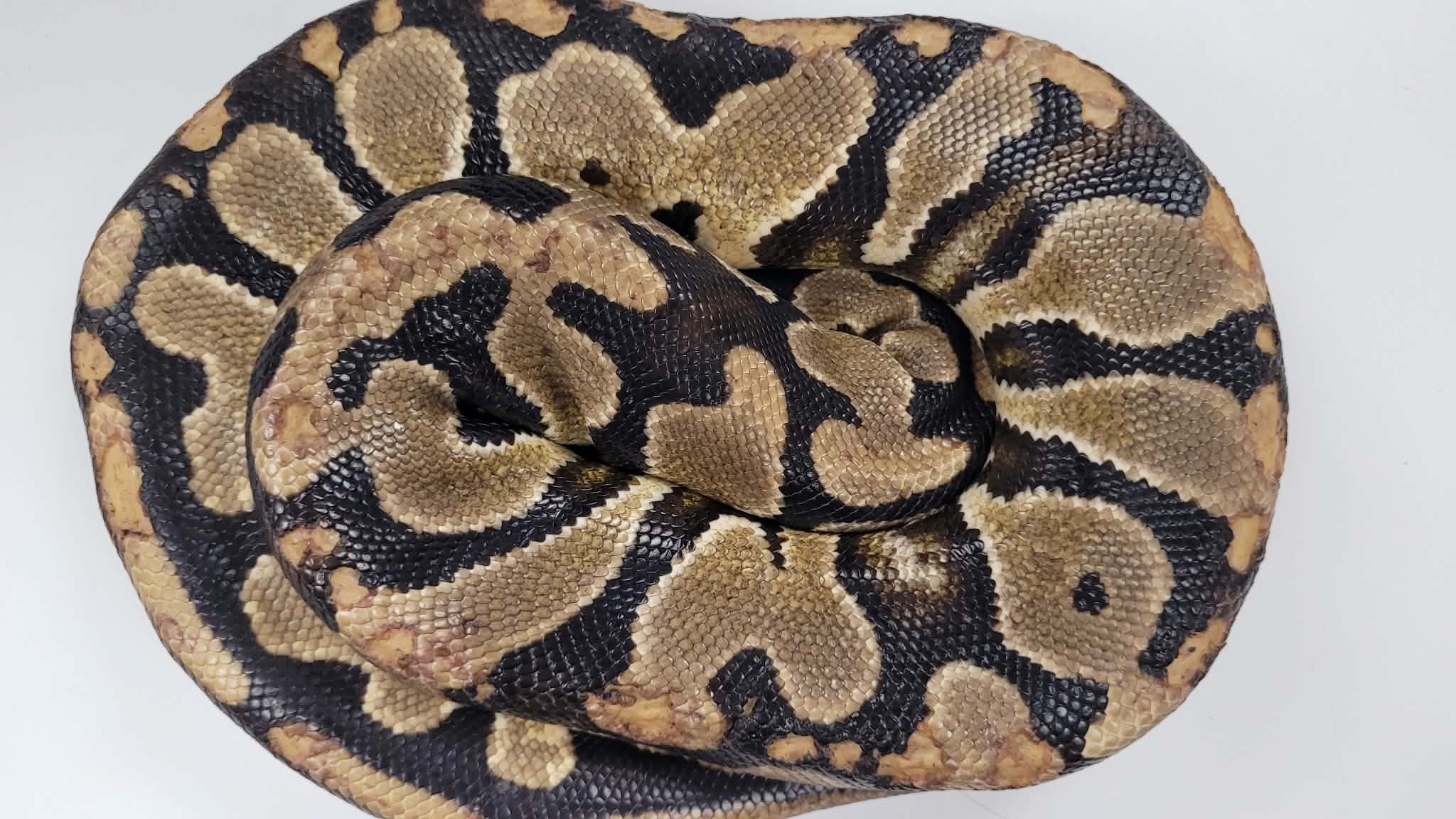
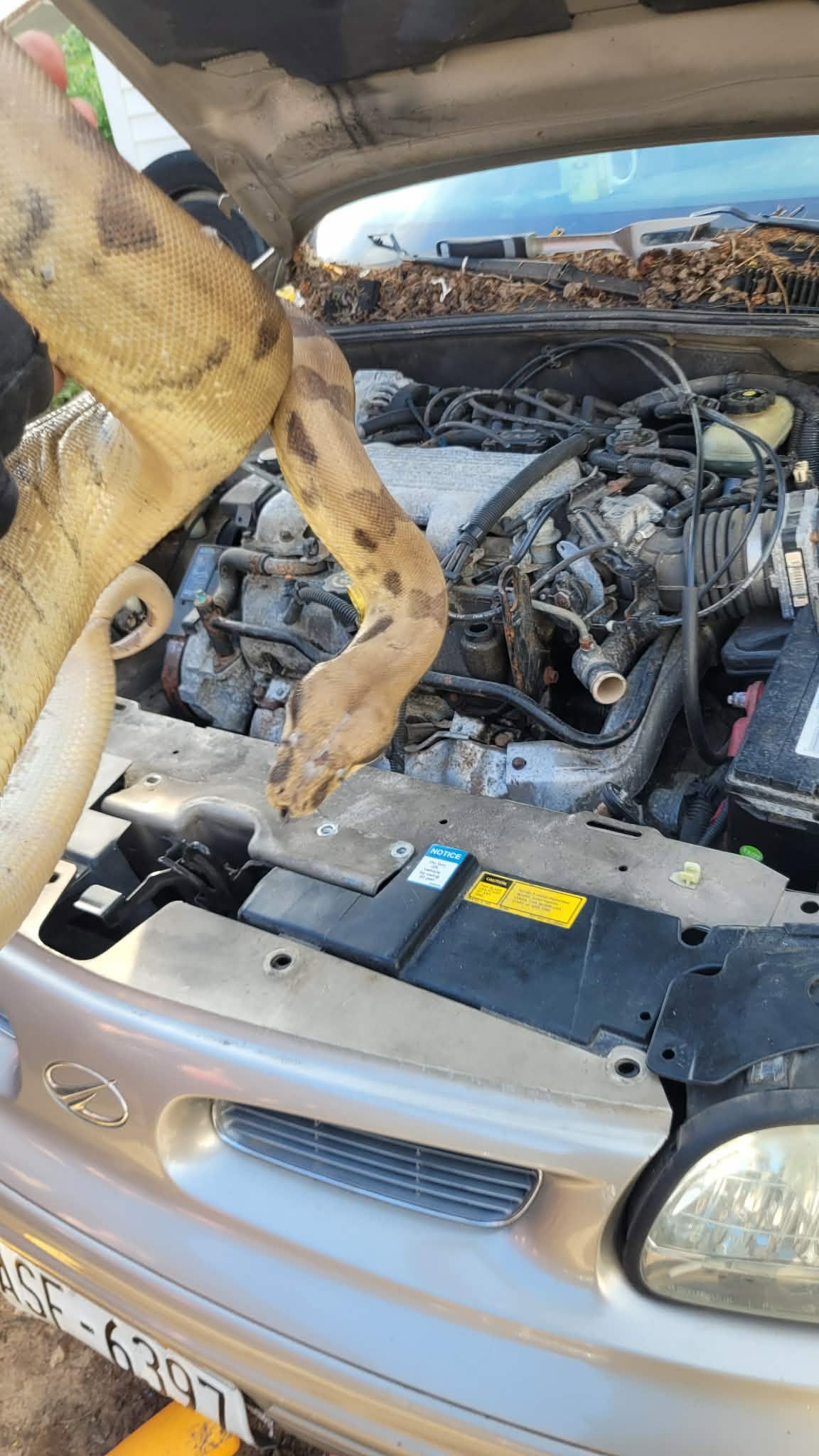
Rescue Files: The Eviction of Holyfield
By Cindy Steinle · October 2, 2026
Holyfield, the new rescue intake to Small Scale Reptile Rescue



Keep up with news and features of interest to the reptile and amphibian community in the kingsnake.com Journals. We cover breaking stories from the mainstream and scientific media, user-submitted photos and videos, and feature articles and photos.
By Cindy Steinle · October 2, 2026
Holyfield, the new rescue intake to Small Scale Reptile Rescue
By Jon Poff · September 28, 2026
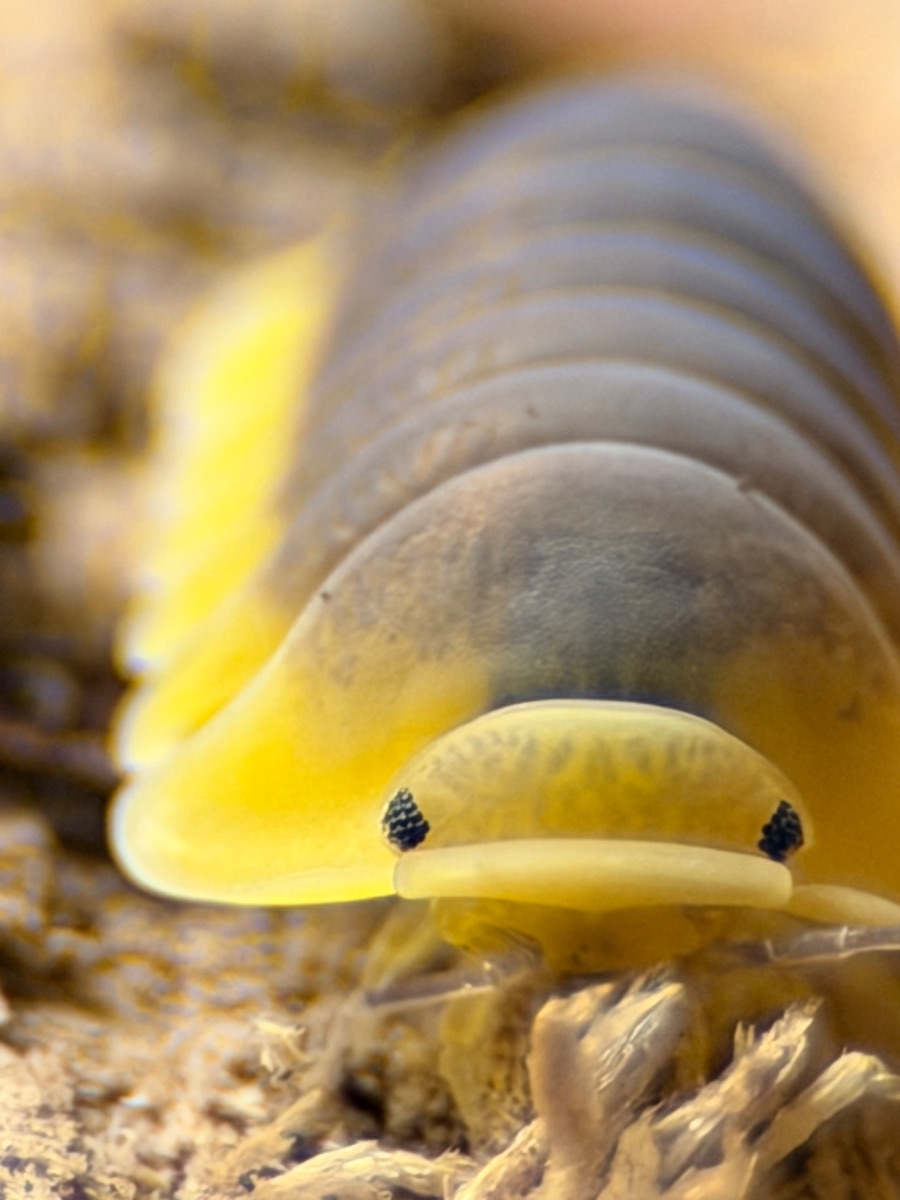
Monday Blues? How about some good news!
ONE Login for Kingsnake
By Cindy Steinle · September 22, 2026
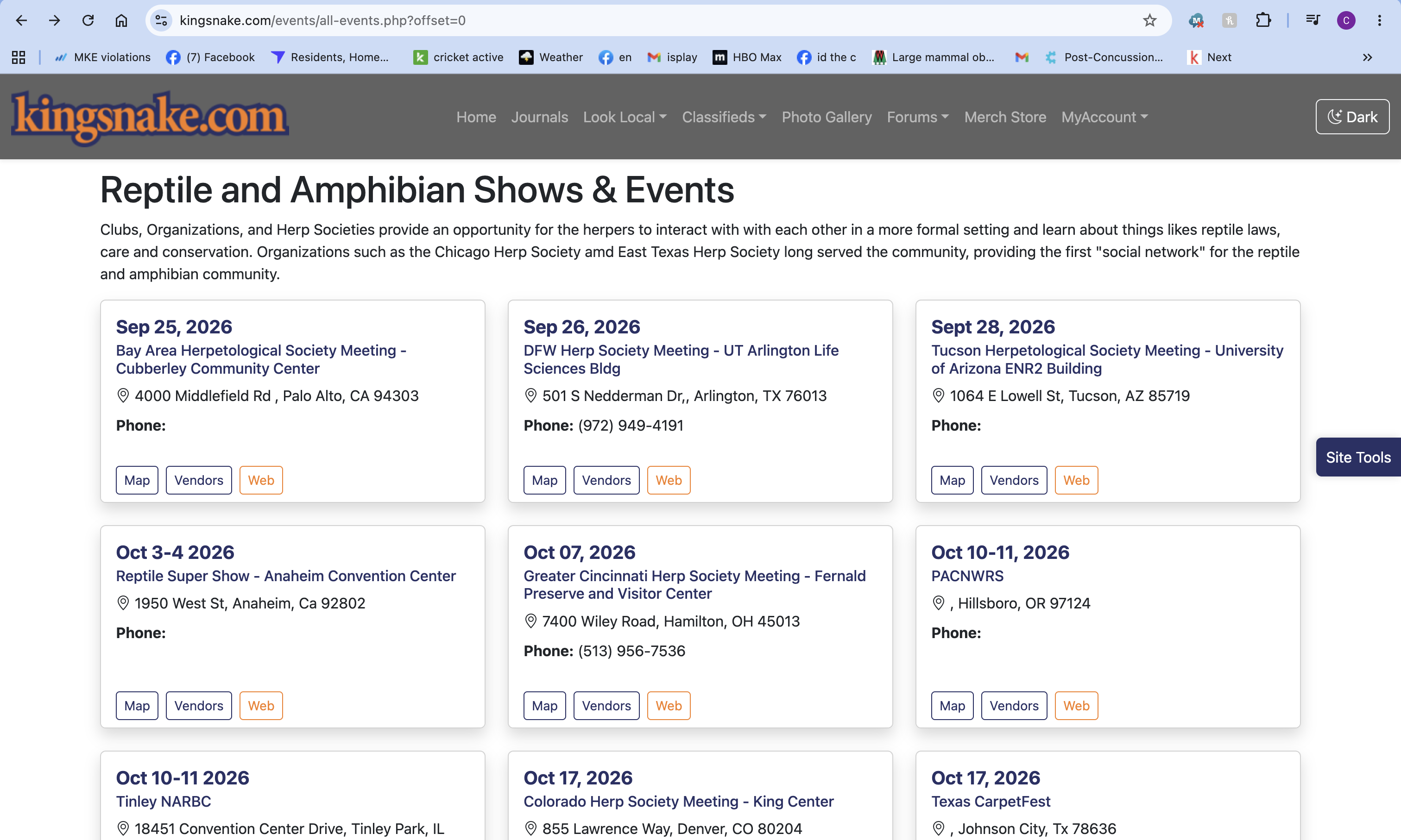
We are working on updating a lot of our databases and one of them is our shows!
By Cindy Steinle · September 17, 2026
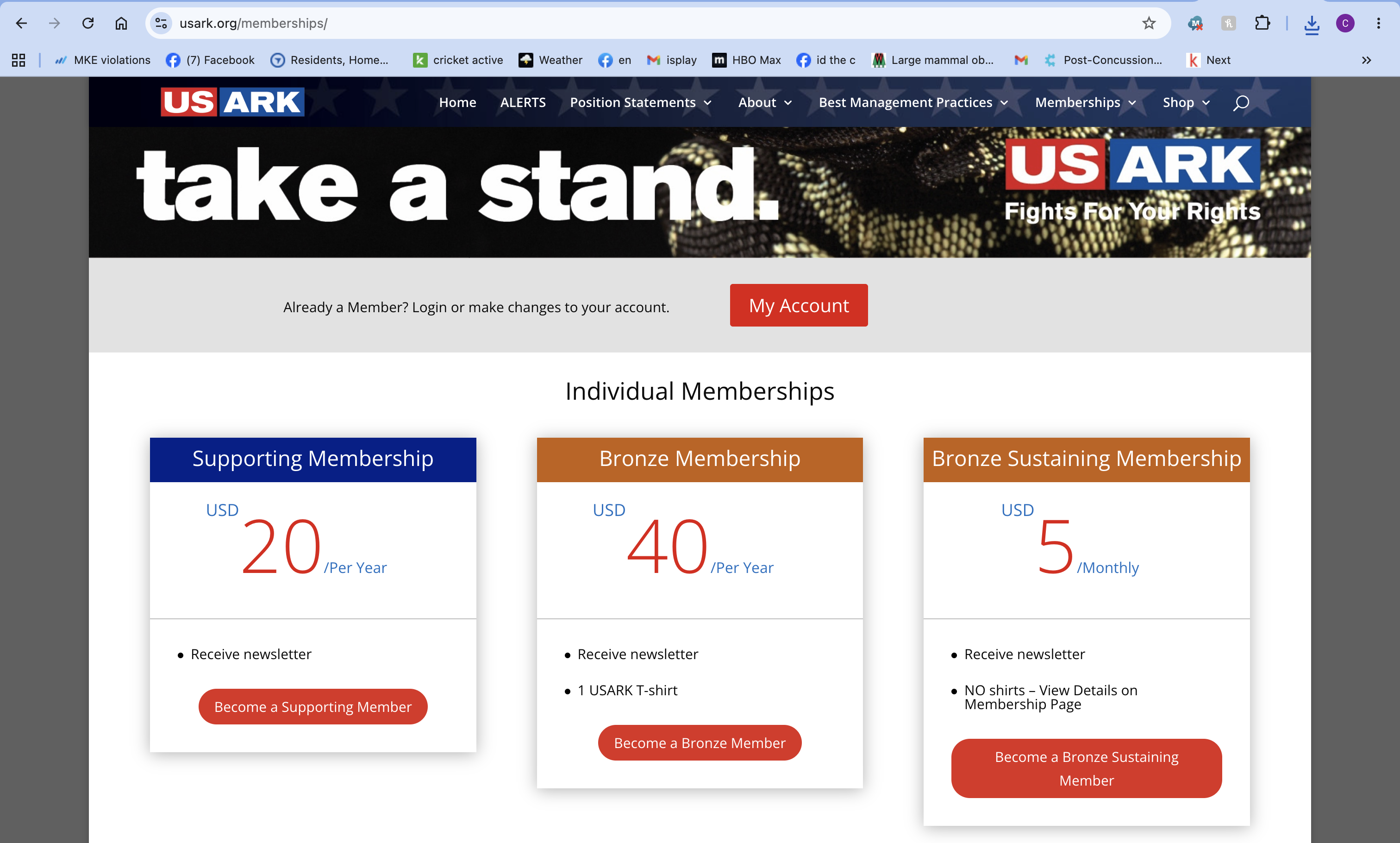
Each month like clockwork, five dollars disappears. I never really miss it, I get an email telling me it is gone. I am a Bronze Sustaining member of USARK. In total, it is $60 per year to them, a little more than regular bronze and it is a little more than two tacos a month for me so I never notice. USARK is essential to our community.
By Cindy Steinle · September 7, 2026
By Cindy Steinle · September 3, 2026
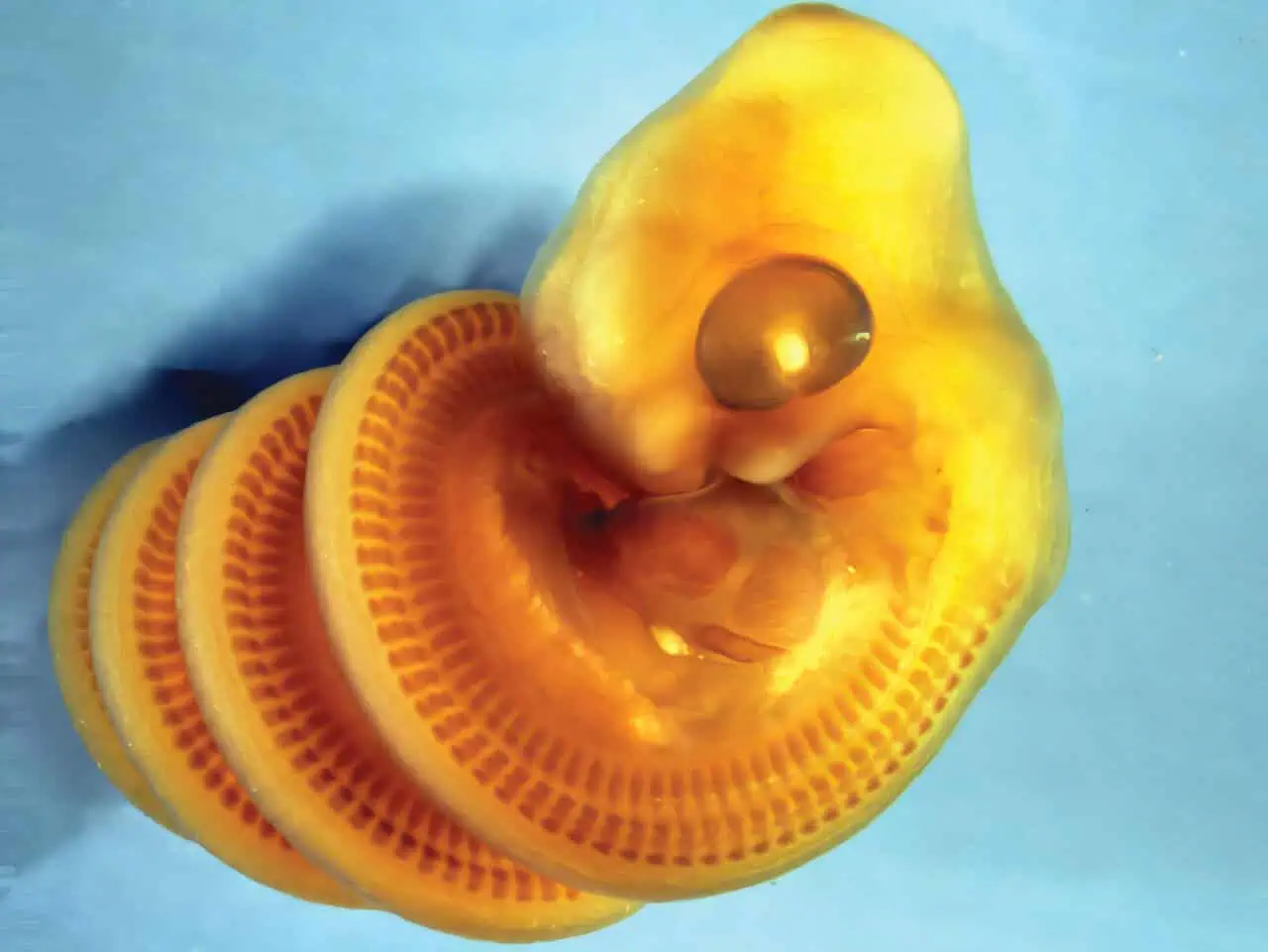
An embryo of Cape house snake (Boaedon capensis) stained to show developing muscle blocks in the trunk. The embryo shows right-handed coiling. Credit: Raul Diaz, California State University Los Angeles.
By Cindy Steinle · August 18, 2026
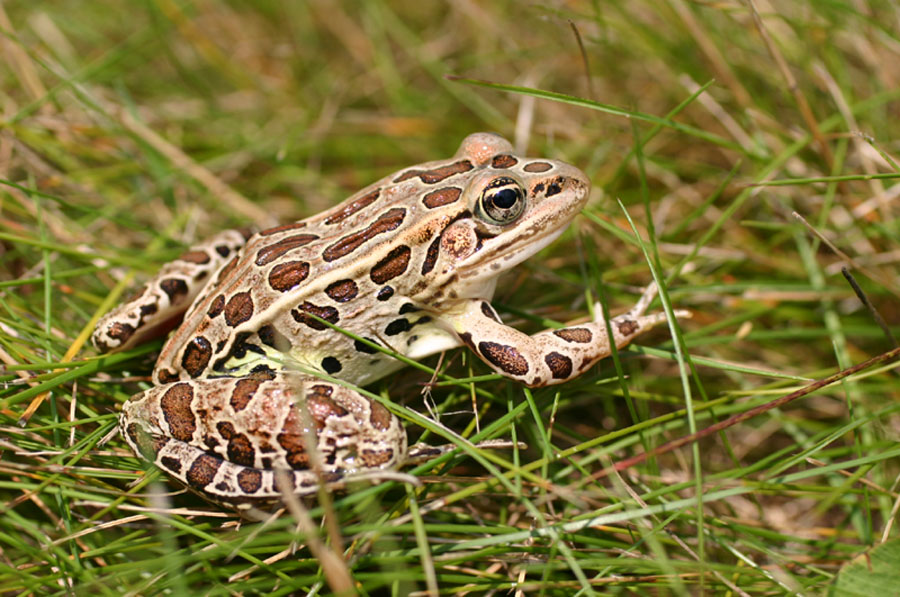
Northern Leopard Frog from kingsnake.com user Terry Cox credit: kingsnake photo gallery
By Cindy Steinle · August 13, 2026
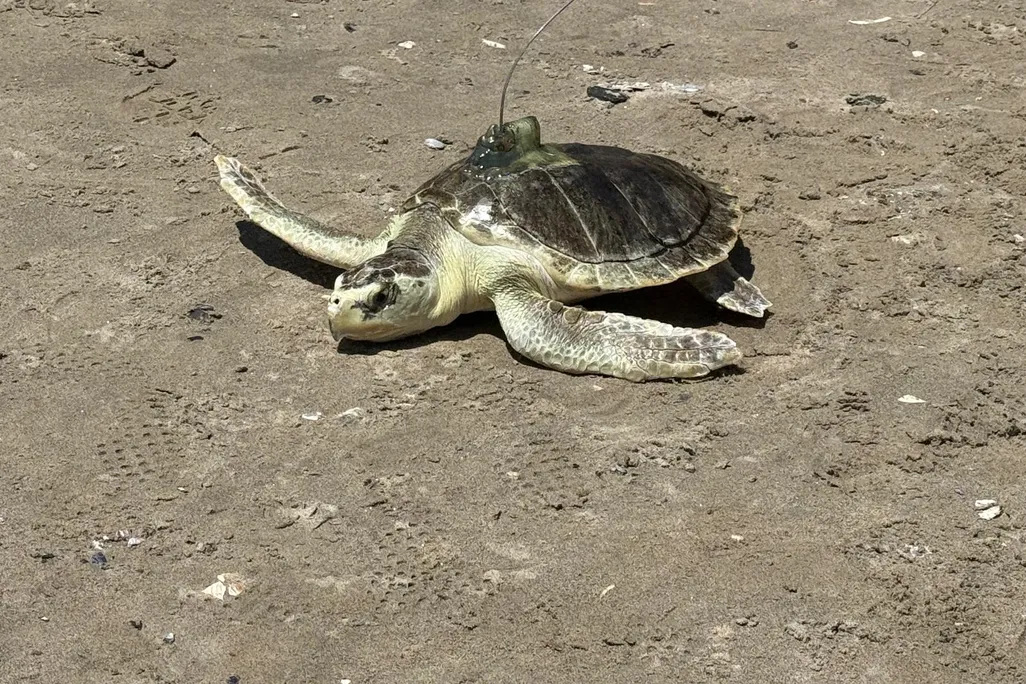
Experts attached a satellite transmitter to Pancake's shell, which will track its location for up to 90 days. Mary Dixon / Wildlife Conservation Society
By Cindy Steinle · August 11, 2026

By Cindy Steinle · August 8, 2026
A few new action alerts have hit USARK's page that may impact reptiles owners that we wanted to share here! If this impacts you, be sure to check the links!
By Cindy Steinle · July 24, 2026
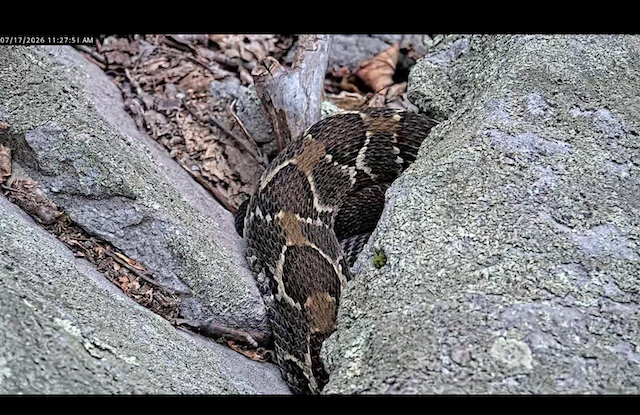
Screenshot of the live Pennsylvania den of I think "Pickle" one of their Timber Rattlesnakes. Yes they have names and profiles!
By Cindy Steinle · July 23, 2026
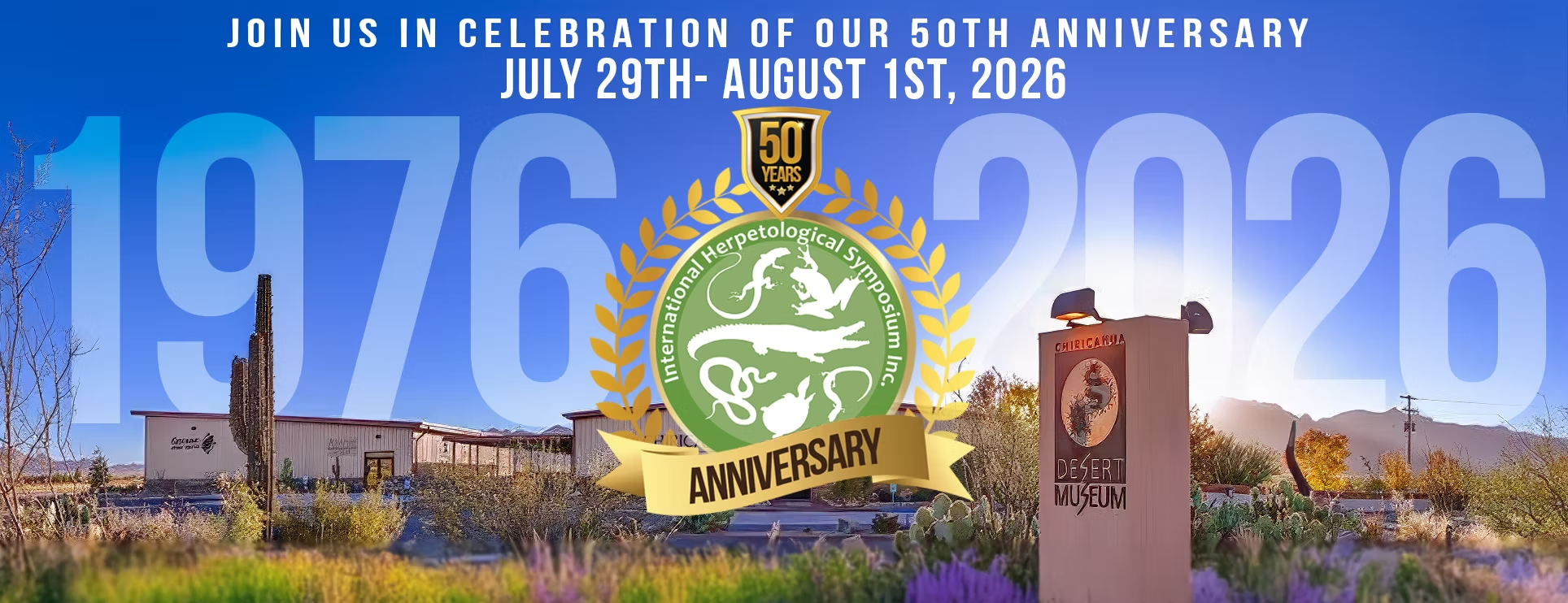
The International Herpetoligcal Symposium turns 50 this year and kingsnake.com will be there to help them celebrate as a returning sponsor to kick off our 30th year! We all are celebrating.
This year is going to be located in a true herpers heaven, The Chiricahua Desert Museum in Rodeo, NM. If you have never been to an IHS event, let me tell you that you are missing out. IHS is more than just talks, altho they are a big part of it and I have been honored to be a speaker twice! IHS is a gathering of people from all areas of our community. It is more than what we see at the expos. When you go ro IHS you get everyone, you get the legendary herpetologists that you read books by, the breeders who started the field, the zoo keepers who are doing amazing work and also the actual scientist mingling with the deli cuppers and the kids who are just getting their start. From their site
By Cindy Steinle · July 15, 2026
A new action alert has come out from our friends at USARK regarding Diamondback Terrapins and potential Endangered Species listings. From the action alert:
By Cindy Steinle · July 8, 2026
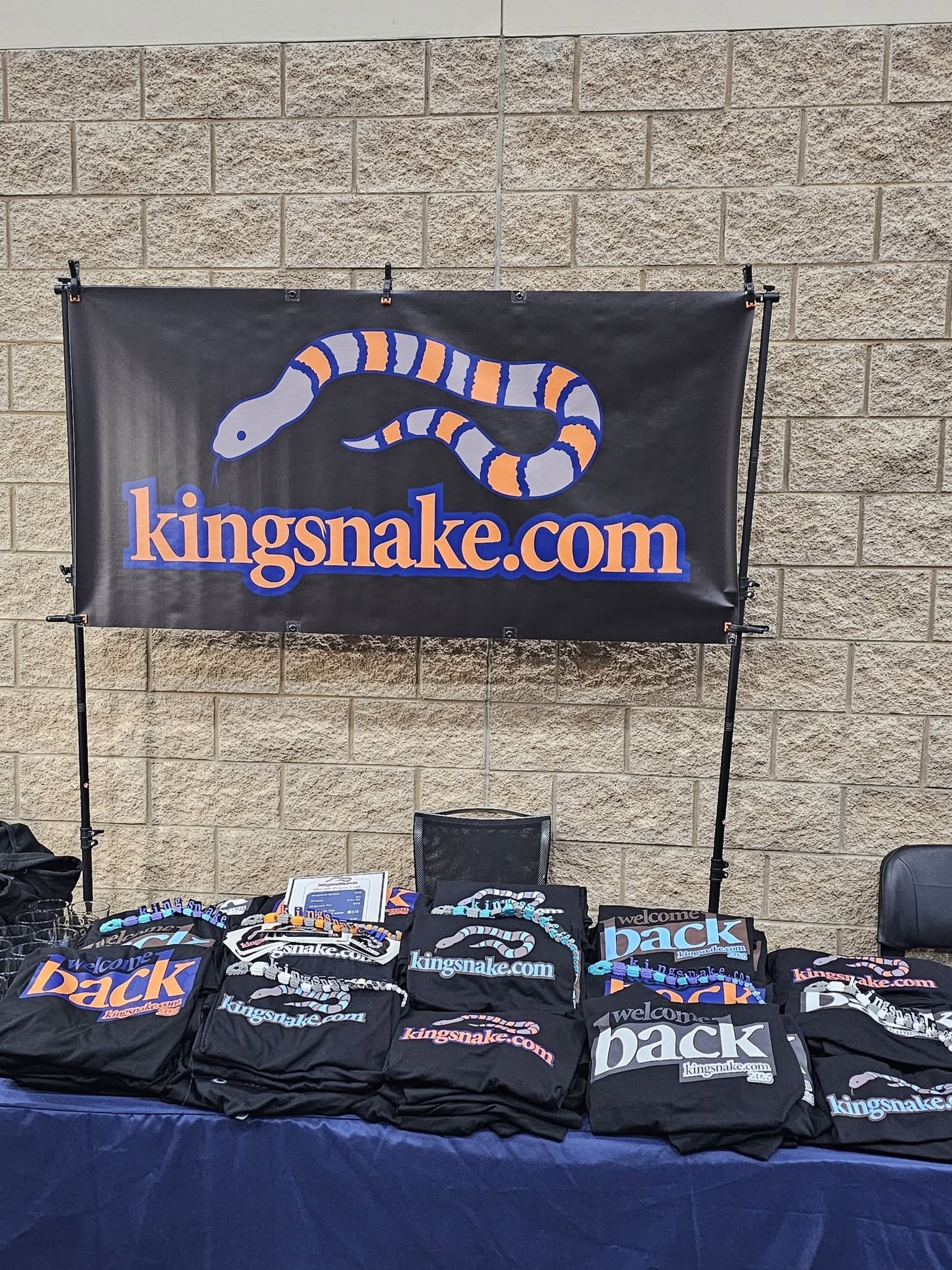
On the road again, we just seem to be on the road again and it feels so GOOD! I tell you, it is like the old days! Jon and kingsnake.com will have a booth at the Reptile Super Show in Pomona and he will have all our awesome swag. You can hit him up with any questions about the site and talk to him in person there! We will have a swag booth at the Pacific Northwest Reptile and Exotic Animal Show where you can pick up the coolest gear around as well this weekend too! For more information on the Pacific Northwest Reptile and Exotic Animal Show check their page here and to see what is all going on at the Pomoma Super Show, click here If you see Jon, be sure to take a selfie with him and post it on socials!
By Cindy Steinle · July 2, 2026
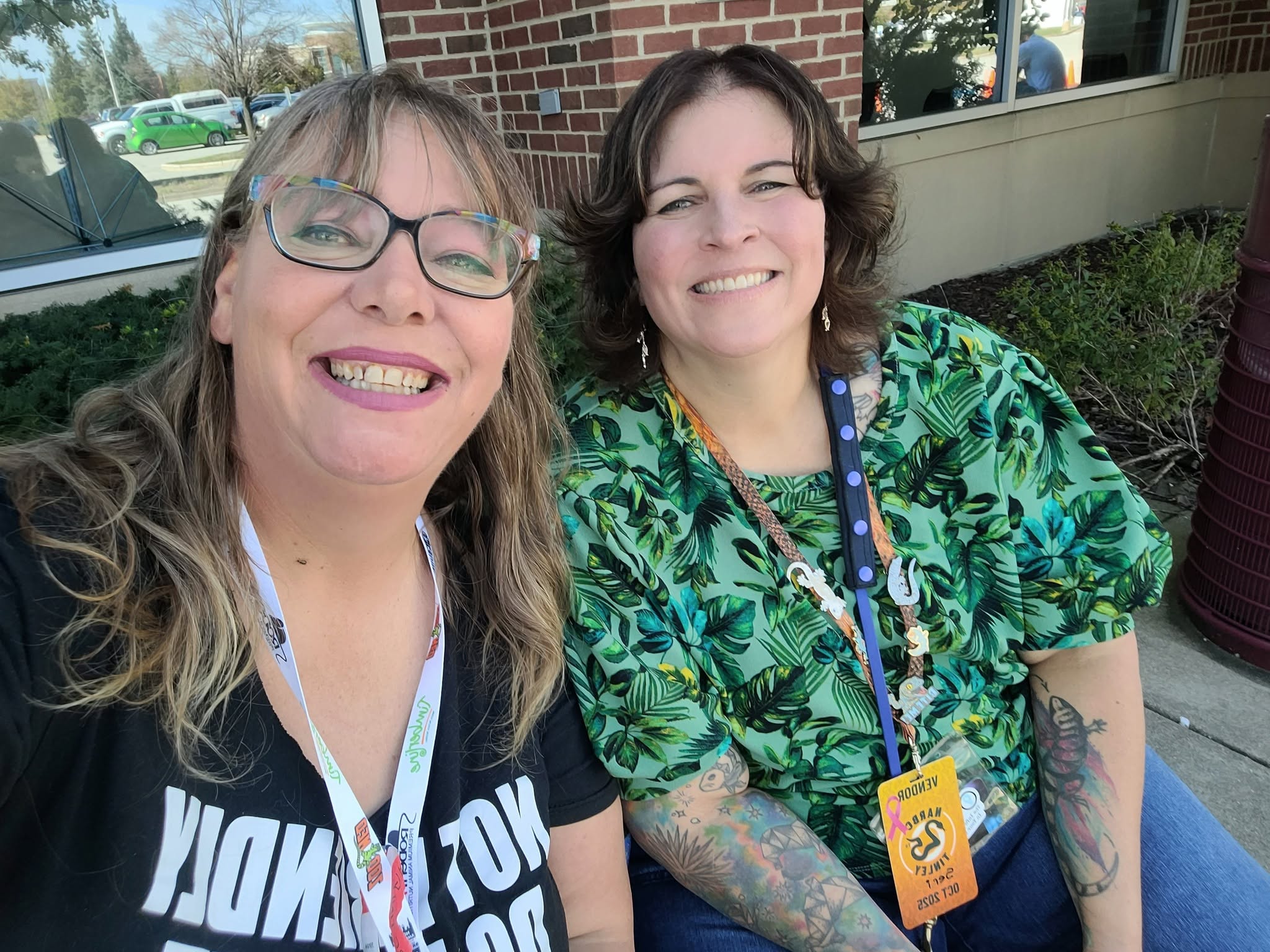
Cindy and Seri at one of the many NARBC Tinley Park shows
Shortly after the March NARBC, Seri Dukart of Gallery Gekko and Creature Care Cards was preparing to go in for her second knee replacement when tragedy struck at home. A fire wiped out both her home and attached dog grooming business. It was a total loss. While most of her animals survived, she lost her beloved African Grey, Toba. With a week to surgery, Seri got everything set. She shipped her geckos across the country to a friend who could hold them until she had a place to live again that was not a camper, a local pet shop opened for her reptile pets to hang out and educate people about reptiles and she ended up finding a place to rent to continue serving her grooming clients. Her home was older and to rebuild, she needed to come up with $10-$15,000 to get the electrical upgrades to get insurance to kick in to start the repairs so she could move back home and restart her life.



Help, tips & resources quick links
Manage your user and advertising accounts
Advertising and services purchase quick links
