
Can reptile owners rely on veterinarians for health care info?
By Christie Keith · July 15, 2011 9:59 am
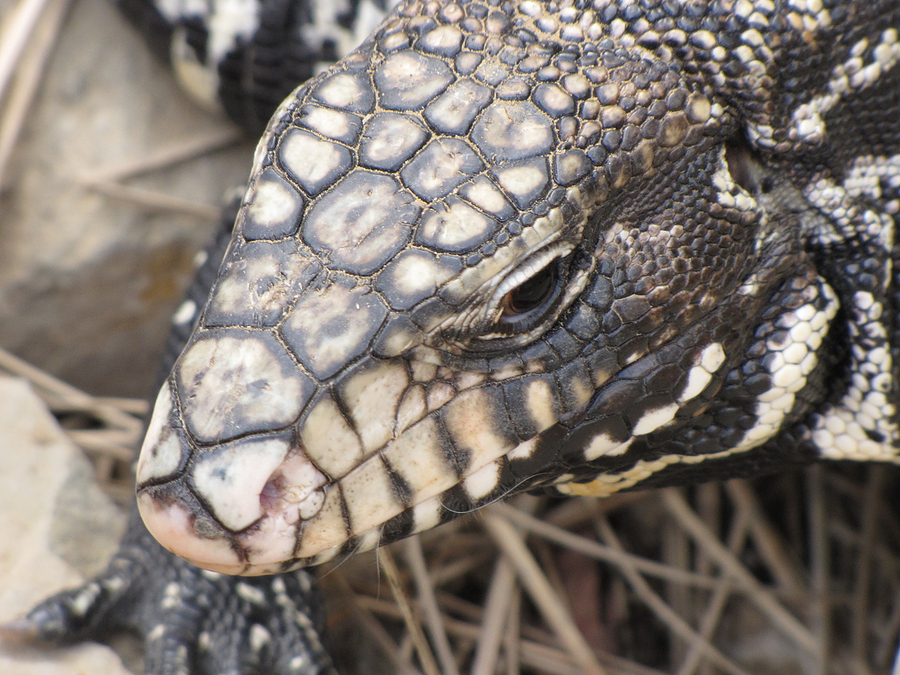 What is the state of veterinary care of reptiles today -- and is the Internet helping or hurting?
Clinician's Brief is the official publication of the North American Veterinary Conference, and in today's newsletter they linked to a blog post by veterinarian JC Burcham, DVM, in which she talked about what she sees as the three biggest challenges in treating scaly pets.
Number one was the difficulty in establishing normal values for reptiles, particularly radiographs.
Number two was the lack of effective pain management, and the dearth of knowledge about it in reptile medicine.
Number three was the amount of bad information out there on the Internet, and the way that so many herp owners try to do almost anything to avoid going to (and presumably, paying for) the veterinarian:
What is the state of veterinary care of reptiles today -- and is the Internet helping or hurting?
Clinician's Brief is the official publication of the North American Veterinary Conference, and in today's newsletter they linked to a blog post by veterinarian JC Burcham, DVM, in which she talked about what she sees as the three biggest challenges in treating scaly pets.
Number one was the difficulty in establishing normal values for reptiles, particularly radiographs.
Number two was the lack of effective pain management, and the dearth of knowledge about it in reptile medicine.
Number three was the amount of bad information out there on the Internet, and the way that so many herp owners try to do almost anything to avoid going to (and presumably, paying for) the veterinarian:
The internet is not my friend. The amount of mis-information purported on all manner of websites and online discussion forums is beyond ridiculous. The few, rational people who insist that any sick reptile should be seen by a vet are hopelessly outnumbered by clueless individuals who think they have all the answers. This means I get phone calls from people who have no intention of bringing their reptile in to see me, to see if I can tell them what’s wrong over the phone and what they should do (besides bring it in for an exam).I sympathize. I really do. Veterinarians who treat all kinds of pets, not just exotics, report the same problem. Partly it's budget, but it's also because a lot of pet-owners have lost faith in veterinarians. That was the subject of my most recent column for the San Francisco Chronicle/SFGate.com, in fact. But as I read this blog post, it strikes me that reptile owners and veterinarians are in even more of a bind than fluffy pet owners and their vets. Because by her own words it seems fairly obvious that veterinarians who treat herps don't have all the answers when it comes to even simple things like, "What does a normal tegu radiograph look like?", a problem not often besetting dog and cat practitioners. Could that be a big part of the reason so many reptile owners turn to their fellow keepers on the Internet for advice and input, rather than to their vets who may not have any more answers than someone on the kingsnake.com forums? Yes, perhaps "Can you recommend a really good herp vet?" should be asked earlier and more often. But even setting aside budget constraints, how many reptile keepers have access to a really good herp vet anywhere near where they live in the first place? So while I have some sympathy for Dr. Burcham's frustration with the vast amounts of admittedly bad information spewed all over the Internet every day (a phenomenon neither limited to reptiles nor pets in general), I think that herp owners are between a rock and a hard place when it comes to getting answers for health questions about their pets. You can read Dr. Burcham's blog post here; what do you think about what she has to say?