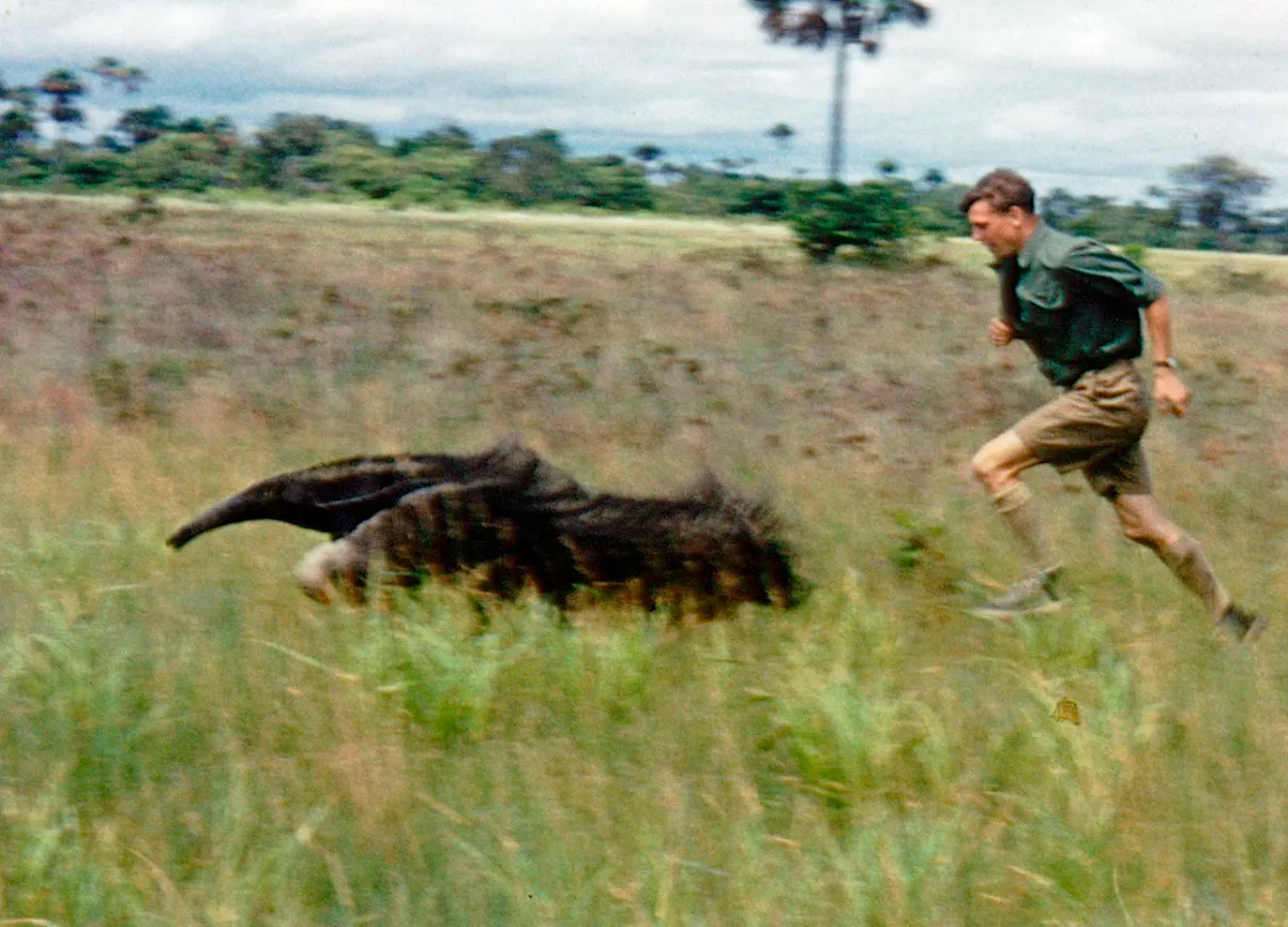
Attenborough in pursuit of a giant anteater in the Rupununi Savannah, British Guiana
BBC
David Attenbourgh's 100 birthday just passed and to many of us he introduced us to the wonders of nature and our beloved reptiles in their natural environments. Have you ever thought how he got his start? Amazingly he was not a naturalist but a film maker. His role was originally behind the camera! His big break came with a python on the third film expedition.
With my parang in my hand, I swung myself up into the tree. The branch around which the snake had draped itself was about 30 feet above the ground. As I approached it, I saw to my relief that the reptile was lying at least 10 feet along it, looking straight at me with its yellow button-like eyes. I braced my back against the trunk behind me, and began cutting. As the branch shook beneath my parang the reptile lifted its head, hissed and flickered its long black tongue. One of its coils began slithering smoothly over the branch. I redoubled my efforts. The bough creaked and slowly hinged downwards. With two more blows, it fell clear, carrying the python with it, and landed with a crash close by the boy and the old man.
While at NARBC Tinley I spent a little time with a few vendors, one was Bryan Suson of Sundown Reptiles with his abronia and a few special monitors! It was super short because Bryan is ALWAYS a very busy guy at the show. Thanks for the time Bryan!
It has been ages since I have been able to say this and boy does it feel good!
This weekend Kingsnake.com is officially BACK at the mighty Tinley Park NARBC!!
Come meet Jon with me, it is my first time too!
In a mouse colorectal cancer model, a single intravenous administration of E. americana achieved complete tumor elimination with a 100% complete response (CR) rate. This dramatically surpasses the therapeutic efficacy of current standard treatments, including immune checkpoint inhibitors (anti-PD-L1 antibody) and liposomal doxorubicin (chemotherapy agent).
...
This research demonstrates that unexplored biodiversity represents a treasure trove for novel medical technology development and holds promise for providing new therapeutic options for patients with refractory cancers.
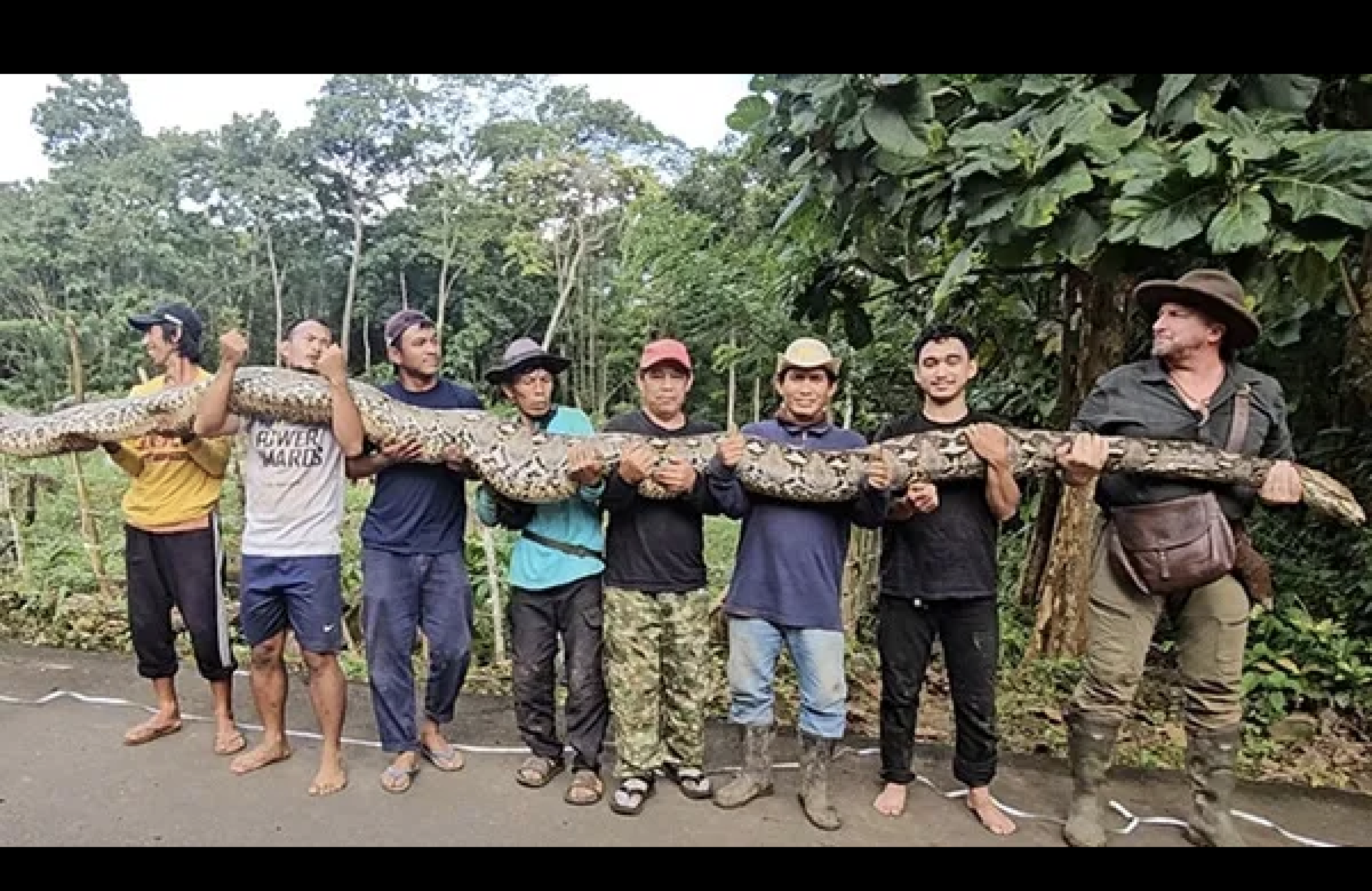
Ibu Baron aka "The Baroness" and the crew
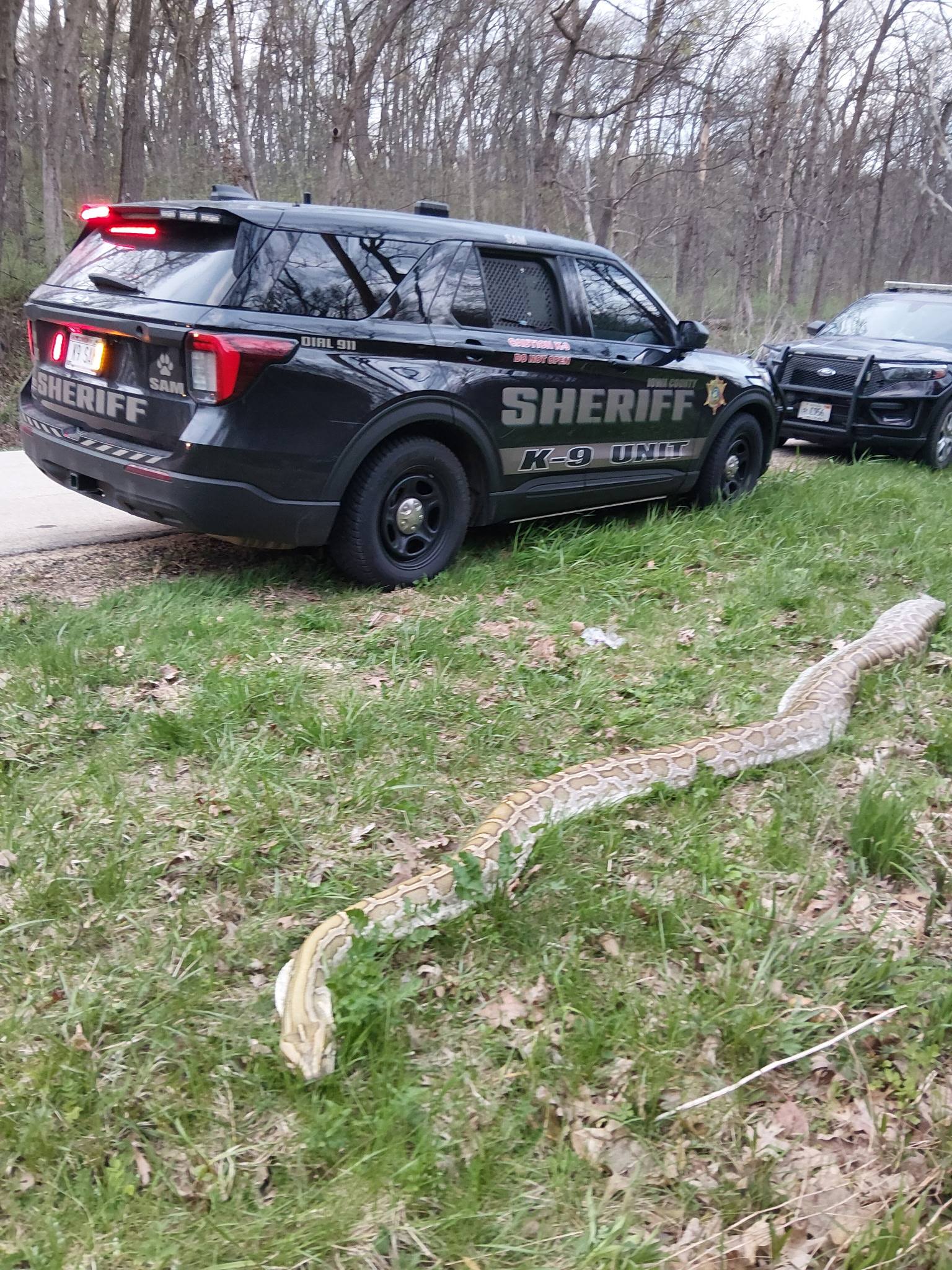
In late 2025, in Sulawesi, there were reports of a giant snake roaming. It was reported to be the biggest ever seen! Licensed snake handler Diaz Nugraha and natural history photographer Radu Frentiu headed out on an expedition to confirm the rumors of the snake! There they found Ibu Baron or "The Baroness".
According to Guinness World Records, the snake measured 7.22 meters using a surveyor’s tape. She was also weighed inside a canvas sack on scales normally used for rice, coming in at 96.5 kilograms, or about 213 pounds. She hadn’t recently eaten, which is worth noting, since a large meal can dramatically inflate a python’s weight.
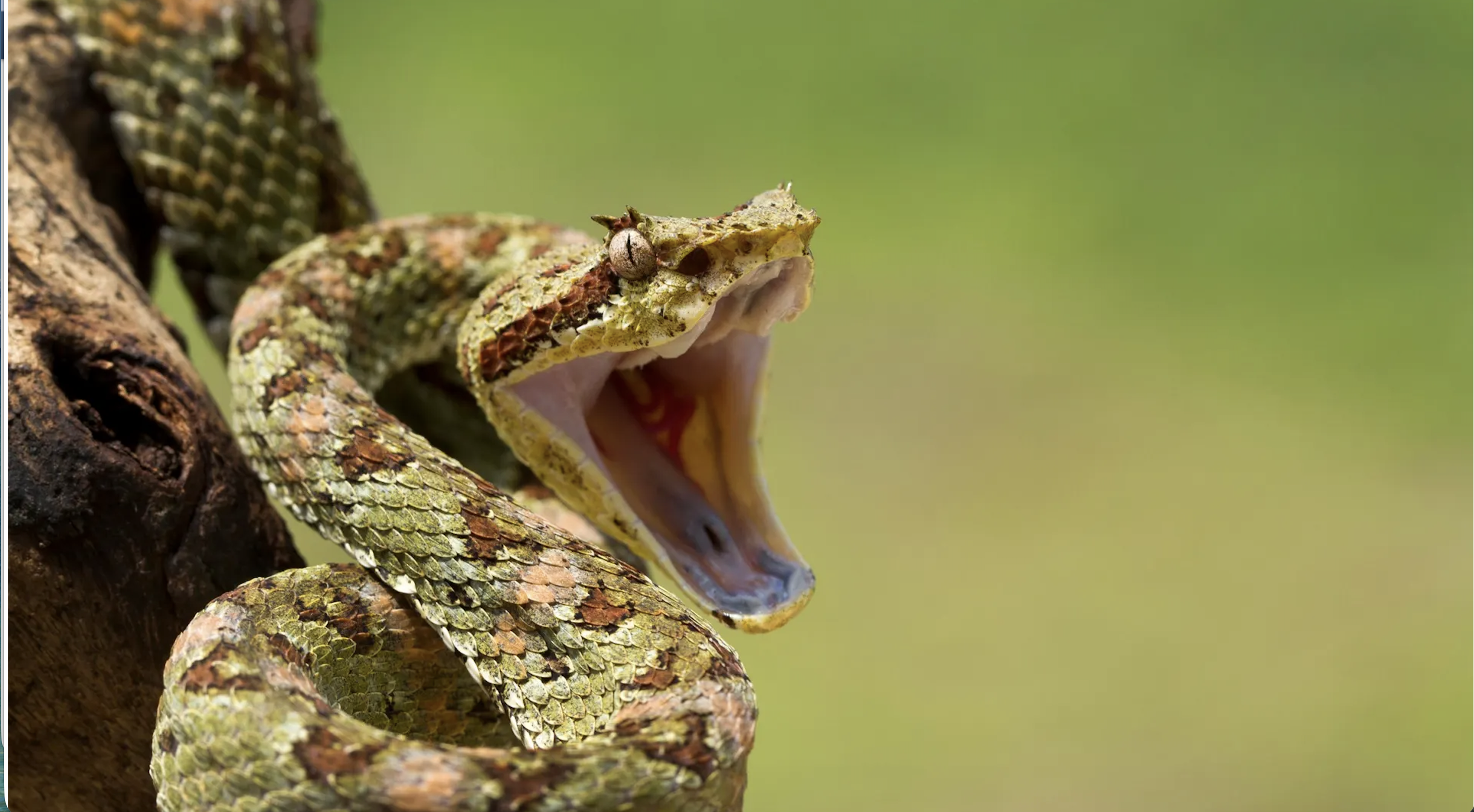
By the time a human brain registers danger, a viper’s strike is already over. Here’s how these snakes can move faster than mammalian nervous systems can respond.
getty
For years people have been fascinated with the speed of a snake's strike, especially that of a venomous snake. The question of which is fastest is always the biggest, it's the viper btw. But what really are the mechanics behind the how and is there a way that we can avoid it?
In practical terms, this gap between perception and movement creates a hard physiological limit. No amount of training, vigilance or experience can meaningfully overcome it once a strike has begun.
From a biological standpoint, this places vipers in a unique category. Their strikes are fast enough to outpace even the fastest mammalian sensorimotor loops, which means that evading the strike will depend fully on anticipating it, rather than reacting to it. This is why prey species that survive vipers often rely on distance, vigilance or erratic movement; speed alone is not enough.







.jpg)