


The mechanics behind the viper strike
By kingsnake.com · February 13, 2026 2:44 am
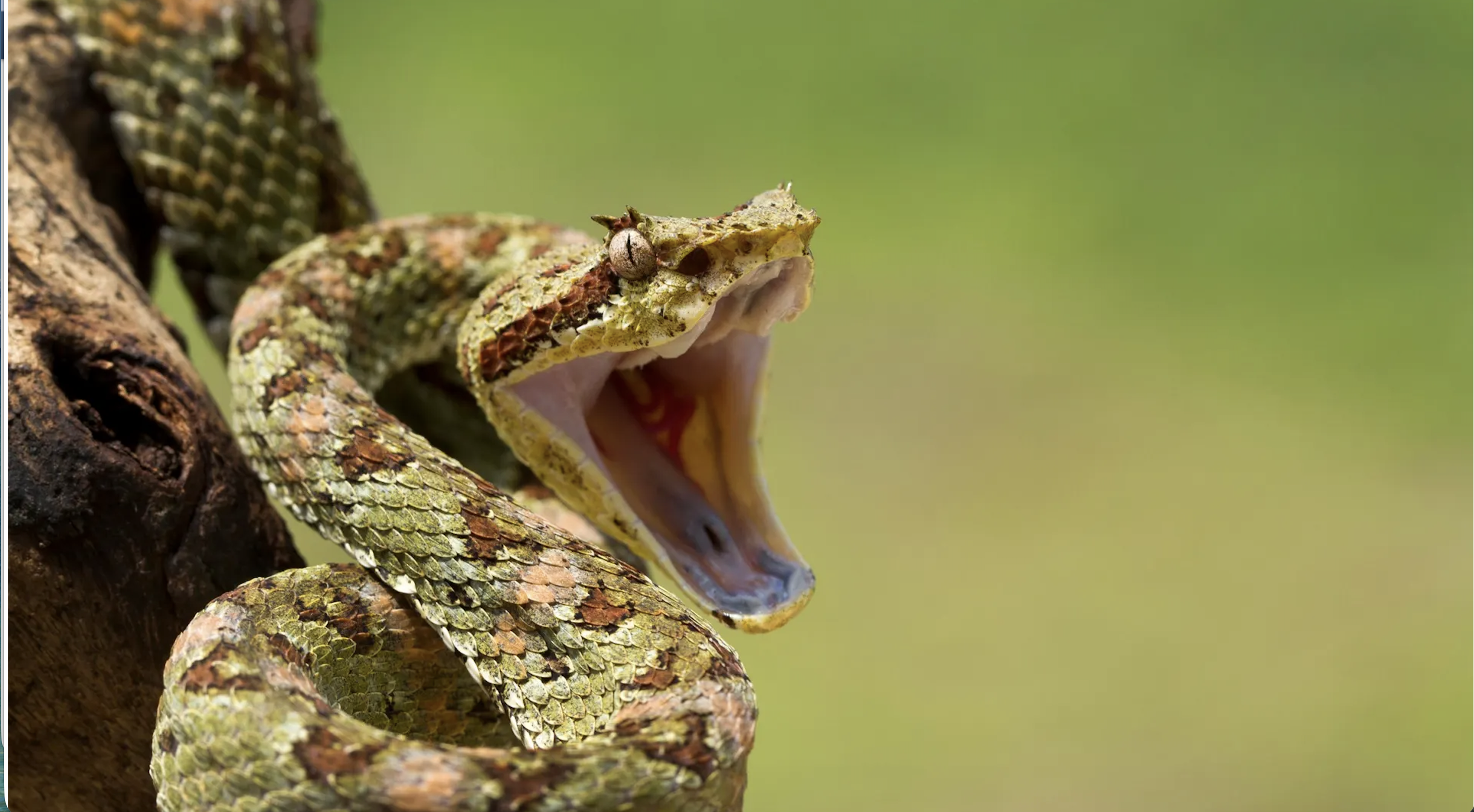 By the time a human brain registers danger, a viper’s strike is already over. Here’s how these snakes can move faster than mammalian nervous systems can respond.
getty
For years people have been fascinated with the speed of a snake's strike, especially that of a venomous snake. The question of which is fastest is always the biggest, it's the viper btw. But what really are the mechanics behind the how and is there a way that we can avoid it?
By the time a human brain registers danger, a viper’s strike is already over. Here’s how these snakes can move faster than mammalian nervous systems can respond.
getty
For years people have been fascinated with the speed of a snake's strike, especially that of a venomous snake. The question of which is fastest is always the biggest, it's the viper btw. But what really are the mechanics behind the how and is there a way that we can avoid it?
In practical terms, this gap between perception and movement creates a hard physiological limit. No amount of training, vigilance or experience can meaningfully overcome it once a strike has begun. From a biological standpoint, this places vipers in a unique category. Their strikes are fast enough to outpace even the fastest mammalian sensorimotor loops, which means that evading the strike will depend fully on anticipating it, rather than reacting to it. This is why prey species that survive vipers often rely on distance, vigilance or erratic movement; speed alone is not enough.Want to geek out and learn about how snakes move? Click here to learn more.