Make good choices
April 28, 2026
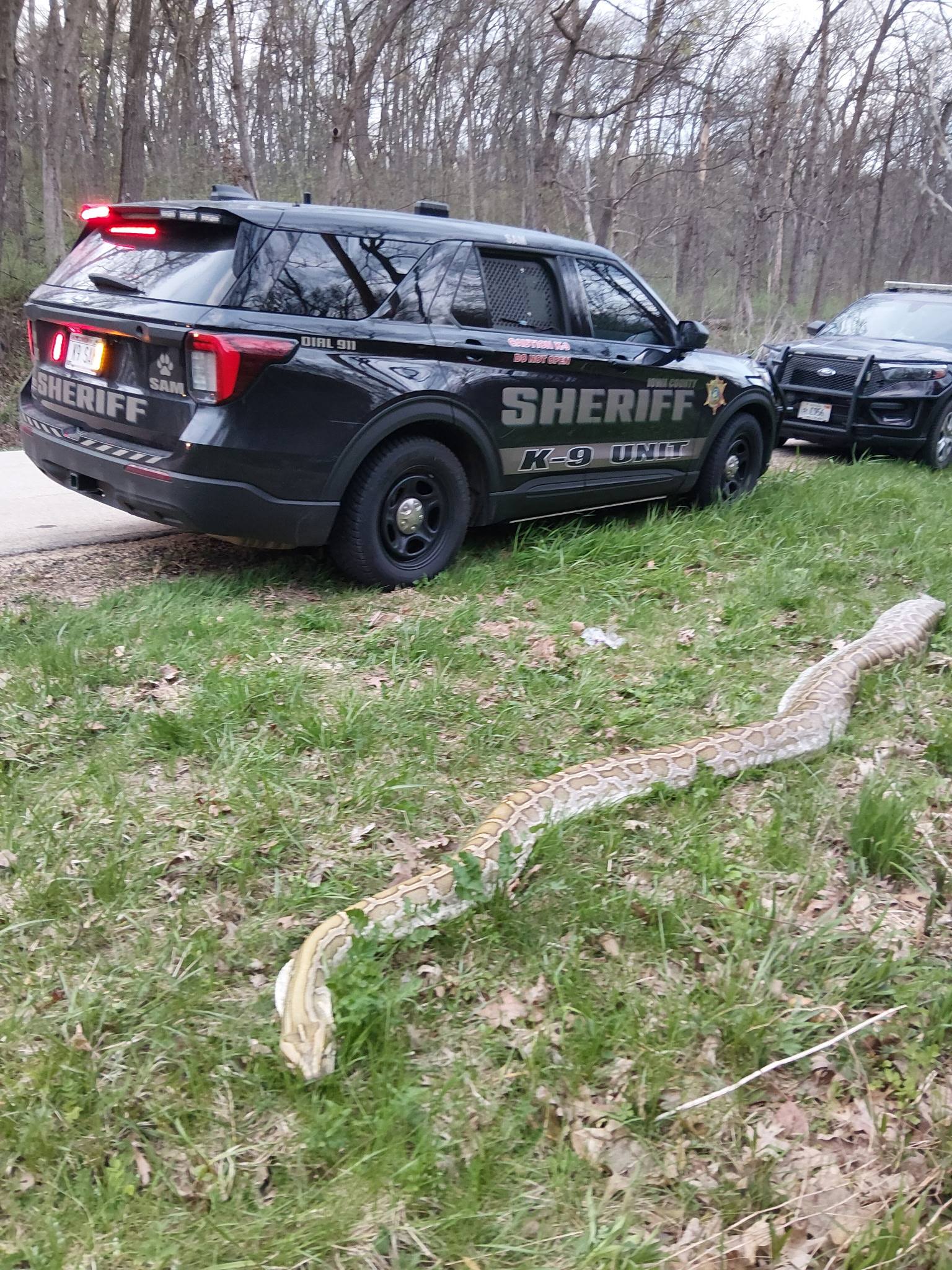
image from Iowa County Sheriff facebook page of Burmese found in WI
This is WRONG and puts our entire hobby at risk.


April 28, 2026
image from Iowa County Sheriff facebook page of Burmese found in WI
This is WRONG and puts our entire hobby at risk.
April 22, 2026
Hey, it's Earth Day.

April 3, 2026
Hear ye, hear ye!
You asked, we've made it happen.

March 5, 2026
Help us improve our look and make our site feel like your home!
Submit images for our new homepage.
Checkout the sneak peek at part of Kingsnake's new homepage.
March 3, 2026
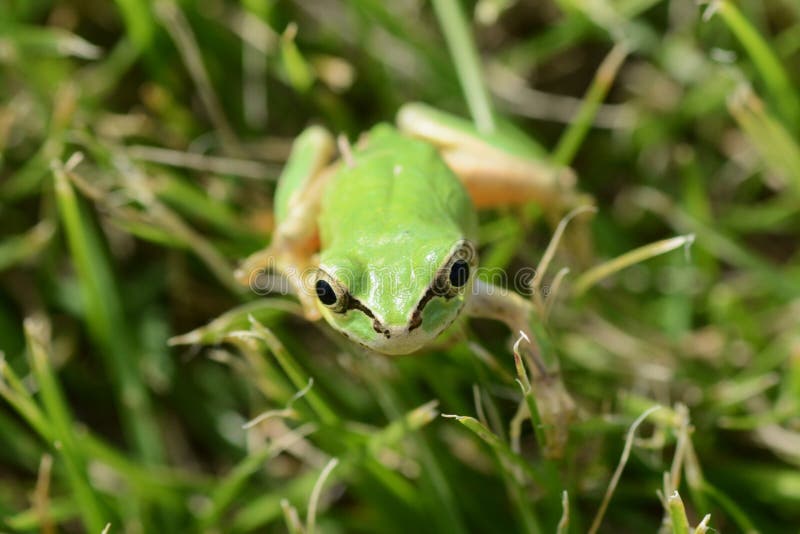
A Japanese tree frog ( Dryophytes japonicus ). They are arboreal frogs, active from spring to autumn, and hibernate underground in winter. © Yorozu Kitamura | Dreamstime.com There are so many ways that reptiles and amphibians give back to humanity and here is another amazing one. Are you on a GLP1? Thank a gila. Cancer research and blood pressure meds are using venom, however, this is a new approach! Gut bacteria of several amphibians is being studied for potential benefits related to cancer research; the Japanese tree frog, Dryophytes japonicus, appears to have a beneficial bacterium, Ewingella americana, hanging out in their intestines!
In a mouse colorectal cancer model, a single intravenous administration of E. americana achieved complete tumor elimination with a 100% complete response (CR) rate. This dramatically surpasses the therapeutic efficacy of current standard treatments, including immune checkpoint inhibitors (anti-PD-L1 antibody) and liposomal doxorubicin (chemotherapy agent). ... This research demonstrates that unexplored biodiversity represents a treasure trove for novel medical technology development and holds promise for providing new therapeutic options for patients with refractory cancers.

February 26, 2026
Gorgeous Geckos a plenty.
What's your favorite gecko?

February 25, 2026
B. E. A. u. tiful
February 20, 2026
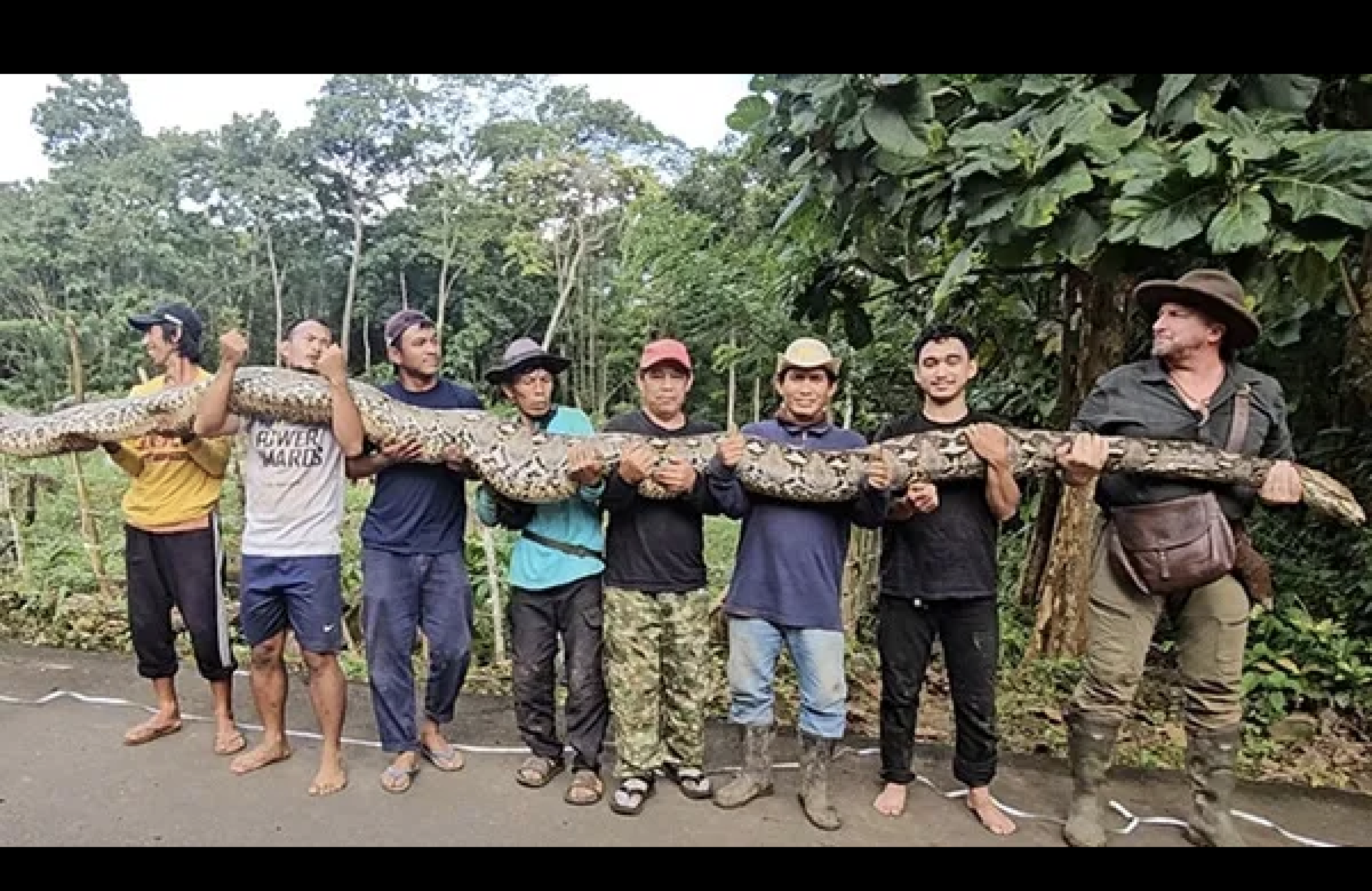
Ibu Baron aka "The Baroness" and the crew In late 2025, in Sulawesi, there were reports of a giant snake roaming. It was reported to be the biggest ever seen! Licensed snake handler Diaz Nugraha and natural history photographer Radu Frentiu headed out on an expedition to confirm the rumors of the snake! There they found Ibu Baron or "The Baroness".
According to Guinness World Records, the snake measured 7.22 meters using a surveyor’s tape. She was also weighed inside a canvas sack on scales normally used for rice, coming in at 96.5 kilograms, or about 213 pounds. She hadn’t recently eaten, which is worth noting, since a large meal can dramatically inflate a python’s weight.
.jpg)
February 18, 2026
Erm, I'm supposed to be here.
Tiger Legged Monkey Frog posted to Kingsnake by Herpetologia

February 17, 2026
Updates?
We've been a little quieter about updates as we work feverishly in the background.
Thank you all for your patience and being on this journey with us.
We have some cool updates coming soon, this picture might even be a teaser.

February 16, 2026
Check it out - Kingsnake's new logo in the wild.
Thank you Hissed_Snakes for spreading the word, Kingsnake is back, and Kingsnake is for everyone.
February 13, 2026
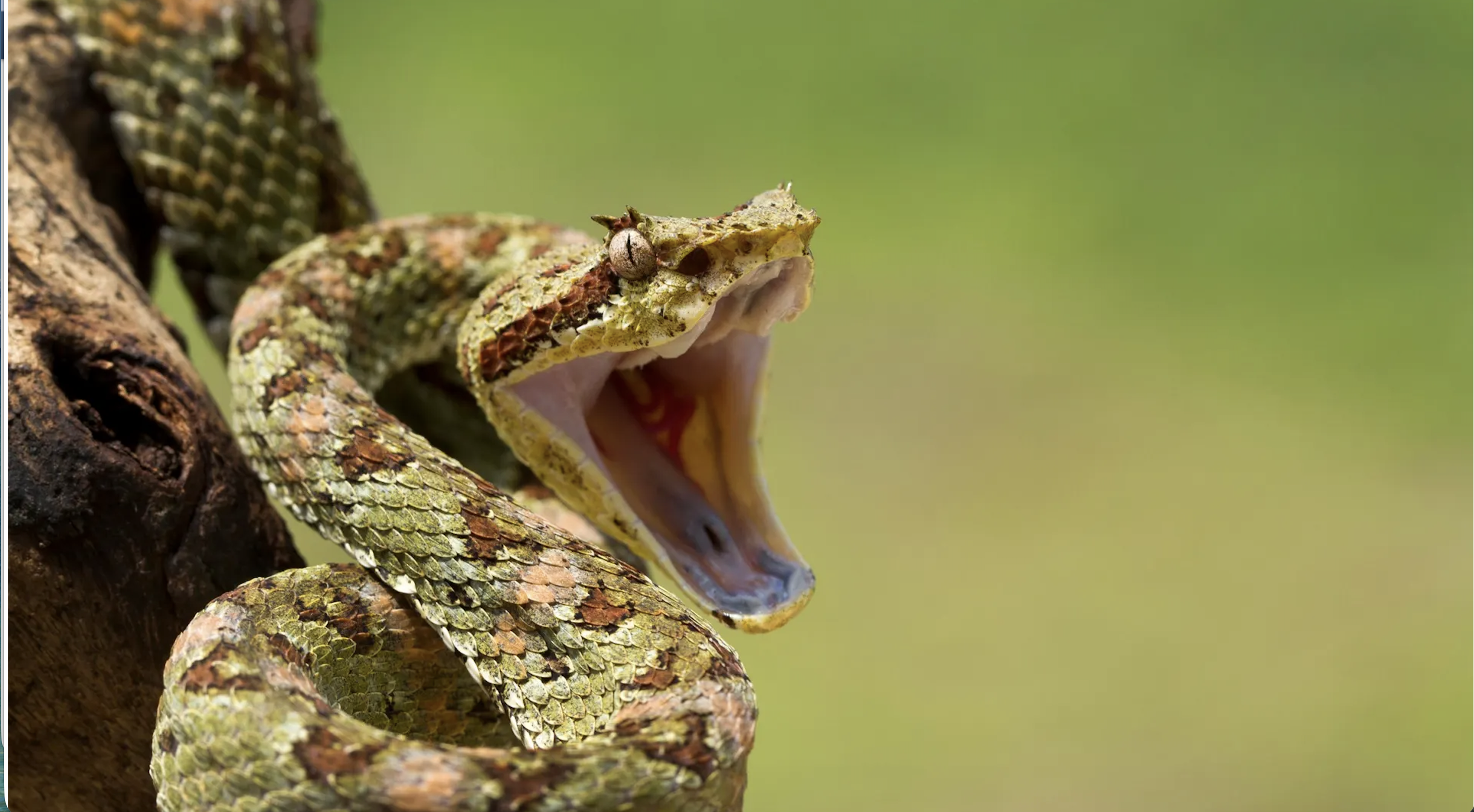
By the time a human brain registers danger, a viper’s strike is already over. Here’s how these snakes can move faster than mammalian nervous systems can respond. getty For years people have been fascinated with the speed of a snake's strike, especially that of a venomous snake. The question of which is fastest is always the biggest, it's the viper btw. But what really are the mechanics behind the how and is there a way that we can avoid it?
In practical terms, this gap between perception and movement creates a hard physiological limit. No amount of training, vigilance or experience can meaningfully overcome it once a strike has begun. From a biological standpoint, this places vipers in a unique category. Their strikes are fast enough to outpace even the fastest mammalian sensorimotor loops, which means that evading the strike will depend fully on anticipating it, rather than reacting to it. This is why prey species that survive vipers often rely on distance, vigilance or erratic movement; speed alone is not enough.
February 12, 2026
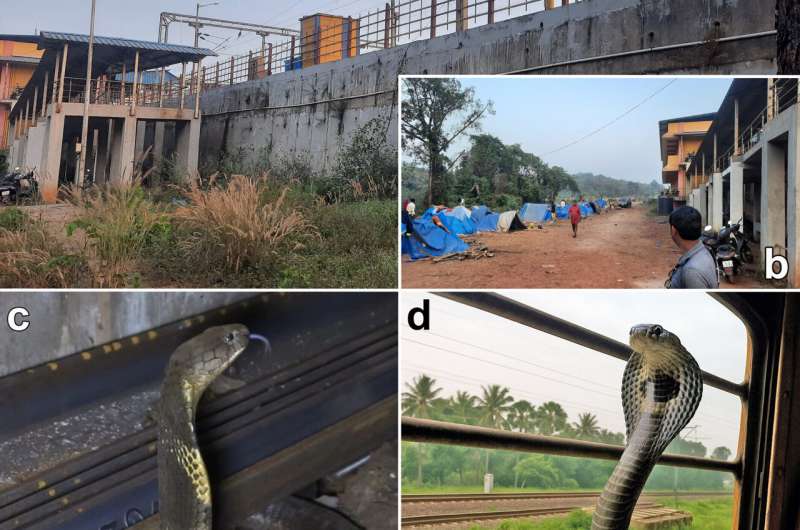
1 / 1Do Western Ghats King Cobras, Ophiophagus kaalinga, take the train? (a) View of Chandor Station, Goa, India, from below the platform, showing the vegetation and the concrete pillars, where the snake was found. This location is atypical and unsuitable for king cobras. (b) Laborer accommodations lie just a dirt path away from the concrete pillars where the king cobra was recorded. (c) The snake emerged from beneath a pile of railway tracks stored at the site for ongoing railway maintenance and repair. (d) An Indian Cobra (Naja naja) on a windowsill in the moving Lokshakti Express train near Valsad, Gujarat State, India. Photos by Dikansh S. Parmar (a, b), Sourabh Yadav (c), and Sameer Lakhani (d). Credit: Biotropica (2026). DOI: 10.1111/btp.70157 We all have laughed at the movie "Snakes on a Plane" but now the reality of snakes on a train is all too true for the cobras in India! Many travelers started reporting, with photos, the Western Ghats King Cobra (Ophiophagus kaalinga) riding on the train. These vulnerable snakes started popping up in odd locations in the country, in ranges that are not hospitable to their needs.
In 2017, study author Dikansh Parmar was volunteering with a local animal rescue group that received a call about a snake onboard a train. The incident is now included as part of this study. Another train rescue occurred in 2019, which ended up in a newspaper report in Uttarakhand. An incident occurred in 2023, in which a snake catcher from Gujarat State snapped a picture of an Indian Cobra sitting in a train window. The study team writes, "With the increased global availability of low-cost smartphones and social media in recent years, the number of reports of snakes on and around trains in India has increased, with three incidents recorded in a 30-day period, and many more emerging on social media."
February 9, 2026
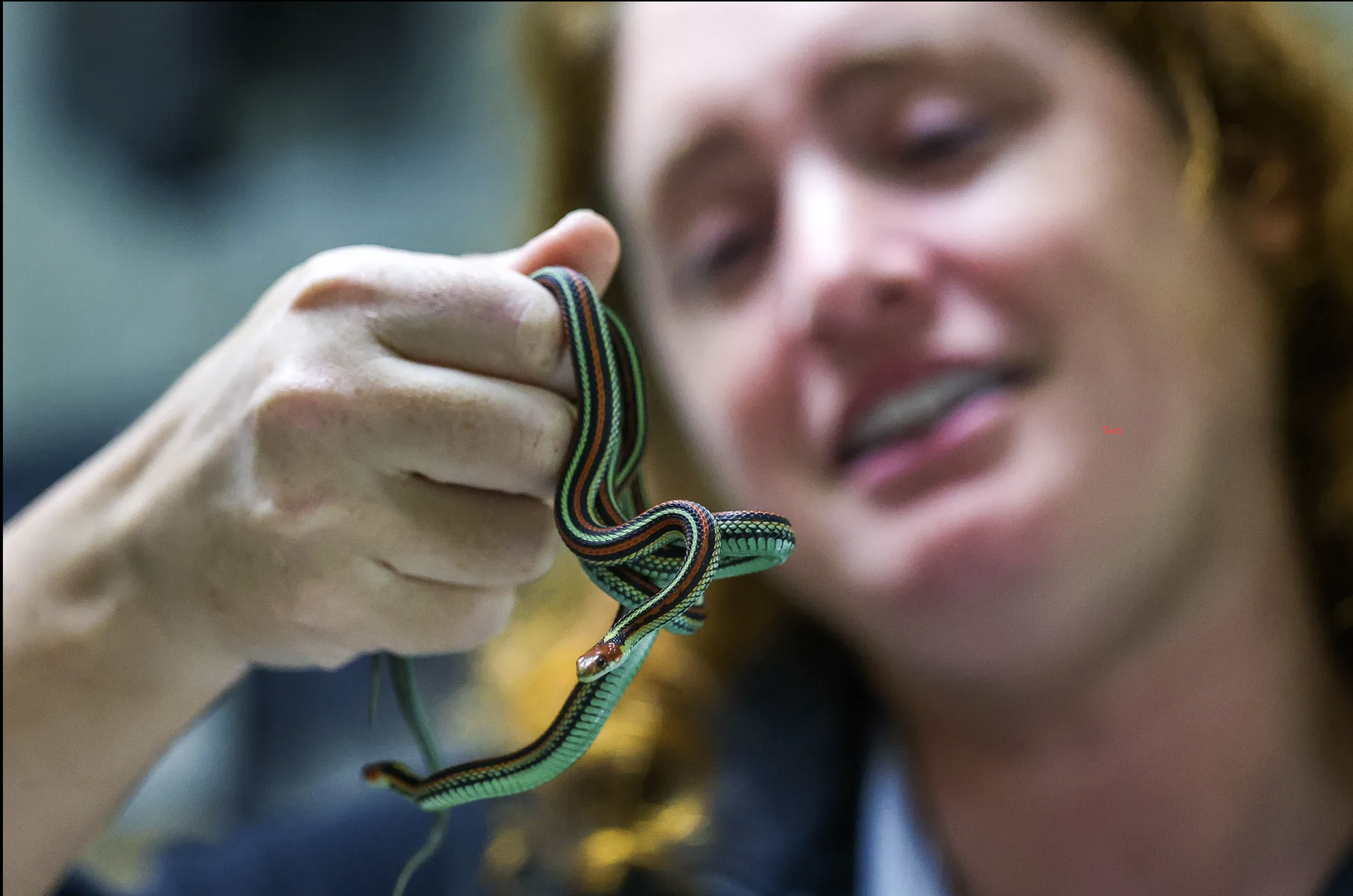
Jamie McNellis, a Conservation Specialist at the San Francisco Zoo, holds four-month-old garter snakes kept in enclosures at the San Francisco Zoo in San Francisco, Calif., on Thursday, Dec. 4, 2025. (Ray Chavez/Bay Area News Group) The San Francisco Garter Snake is amazingly beautiful and also very endangered, but now with the help of the conservation program at the San Francisco Zoo, they may get a chance at re-establishing their population! The largest current population of the snake lives on the property of the San Francisco airport and is quite protected but there is another area in Pacifica that conservationist from the Zoo have been preparing to help headstart a population of 115 babies for a spring release with more planned for the future!
Those destined for Pacifica will be released into a habitat that has been upgraded for their arrival. The project included creating a new pond for snakes and red-legged frogs to thrive, and removing invasive Monterey Cypress and Monterey Pine trees. “If we didn’t do any type of tree removal, those scrub and grassland areas would be converted into forested habitats,” said Fong. “For sun-loving reptiles like snakes, converting open grasslands and scrub to forested habitats is not great.” In December, a vegetation crew from NPS scattered seeds to help populate the upgraded habitat with native plant species. One remaining concern is the continuing threat posed by people and their pets. The striking colors that make the San Francisco garter snake a California icon have also made it a target for illegal poaching for the pet trade, said McNellis. SFO can secure its habitat with a security fence, but other habitats cannot provide protection.

February 3, 2026
Clint and Zac of Colubrid and Colubroid Radio will chat with Jon to discuss Kingsnake's past, present and future.
4:30pm Pacific Time



Help, tips & resources quick links
Manage your user and advertising accounts
Advertising and services purchase quick links
