Spring, Herps, and Names
By Richard Bartlett · March 14, 2022 11:06 am
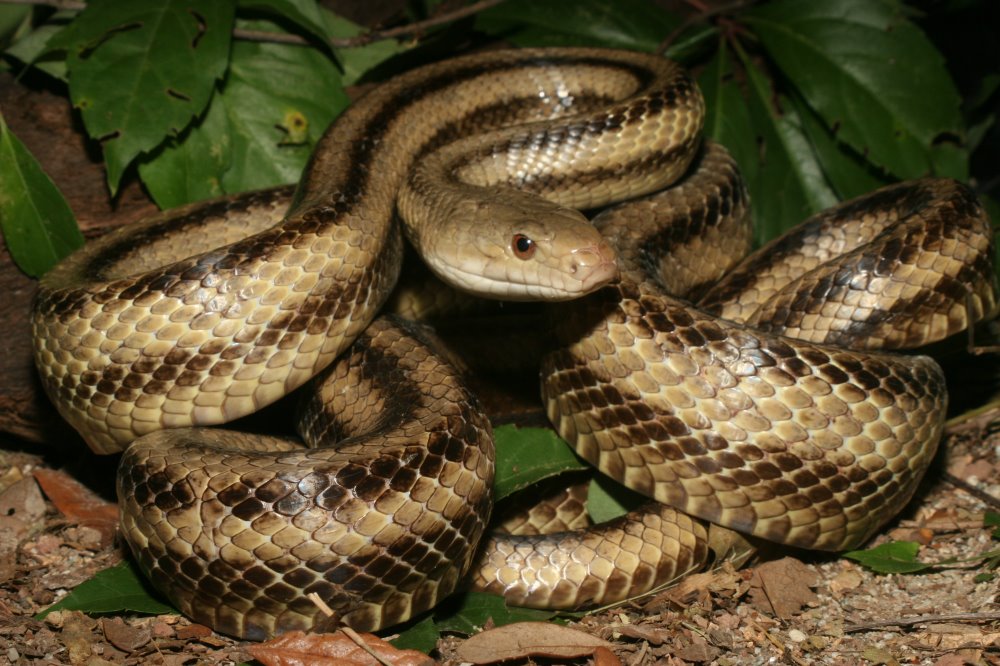
No matter what the nomenclatural whiz-kids choose to call it, a Yellow Rat Snake is still a Yellow Rat Snake.As I write this in early February, I’m basing my comments on memories of old, of those time when I was roaming the hills and dales of Massachusetts’ Connecticut Valley, of times back when I could flip a flagstone in the yard and come face-to-face with an Eastern Worm Snake, Carphophis a. amoenus (when was the last time you saw one of these?), when Timber Rattlesnakes, C. h. horridus, were a northern subspecies and Canebrake Rattlers were the southern subspecies, C. h. atricaudatus, when Black Rat Snakes were Black Ratsnakes, back then Elaphe o. obsoleta, when Fowler’s Toads were a subspecies of B. woodhousei, the former being B. w. fowleri, and…well you get it. Back when field biology was a recognized study subject, when genetics were seldom spoken of, before those who have used genetic studies to cause nomenclatural turmoil, in most cases for the “publish or perish” concept, or simply because they could make change, and not because change was needed. Annoying though these name changes may be, the recipients, the snakes in this case, really don’t care what they are called, and we, those of us who are interested in nomenclature, are under no mandate to use the newly suggested names. In other words, a Canebrake Rattlesnake can still be a Canebrake instead of a Timber, and a Yellow Rat Snake does not have to become an Eastern Rat Snake. Your choice.
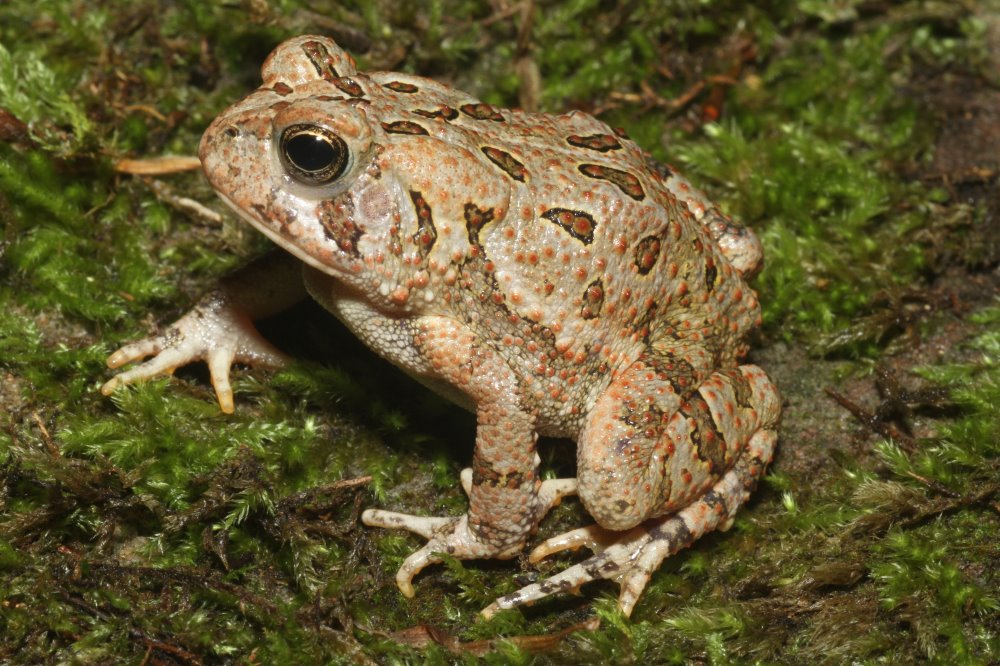
Bufo woodhousei fowleri, Fowler's Toad, did it really require nomenclatural elevation?
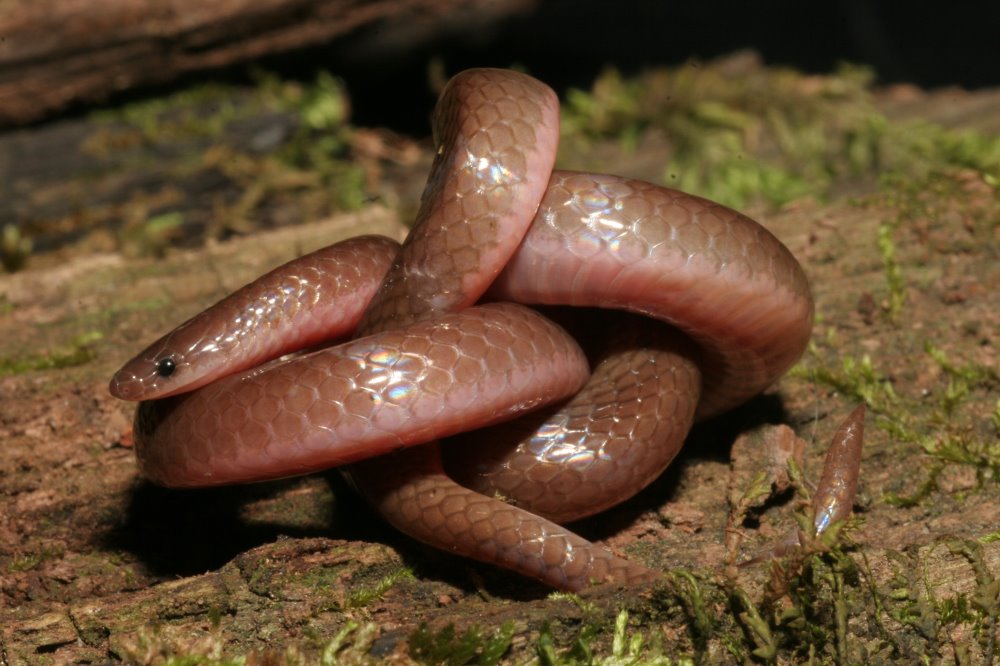
Worm snakes, Carphophis a. amoenus, seem gone from many areas where they were once common.