Click for 65% off Shipping with Reptiles 2 You
Click for ZooMed

RSS

Patricia Bartlett

Getting to know the red-eared slider

September 11, 2013

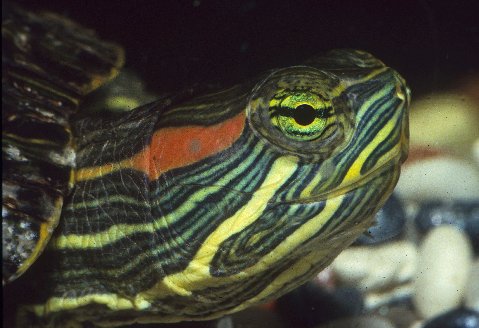
We all know the red-eared slider. For years the quarter-sized hatchlings with the red eye stripe were popular items in pet stores and in the pet section of most department stores. Most were sold as a package deal, a twenty-nine cent baby turtle and a clear plastic turtle bowl with a remarkably kitsch-y plastic palm-decorated center island, both for just $1.50

"Popular" is a bit of an understatement. During the 1960s, U.S. hatcheries produced as many as 15 million red-eared slider hatchlings, all destined for the pet market. Although the vast majority of red-ears never survived the first year (we knew nothing about their food needs, the importance of calcium and phosphorus being unknown at the time), a few did. You can guess what happened to those young turtles that survived long to become wearisome to their youthful owners: plop into the nearest freshwater lake/pond. By and large, this freedom also offered unlimited swimming room, sunlight, few predators, ready access to vegetation, and with luck, interested red-ears of the opposite sex.
Read full article

Young gator seeks home

July 24, 2013

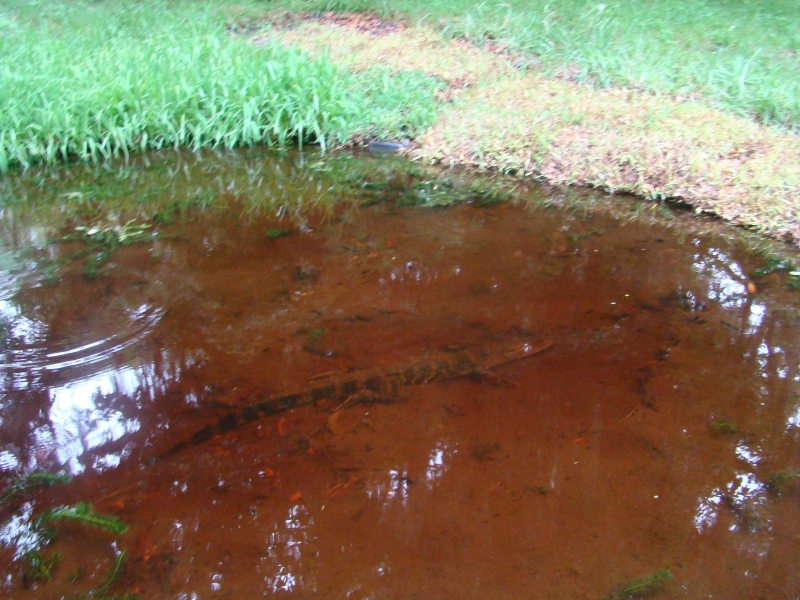
We're used to drop-ins at our place, and last week was no exception. A 30-inch gator took up residence in the small frog pool we dug on the unfenced north end of our yard.

Read full article

Getting started: The 'bones' of your snake tank set-up

July 3, 2013

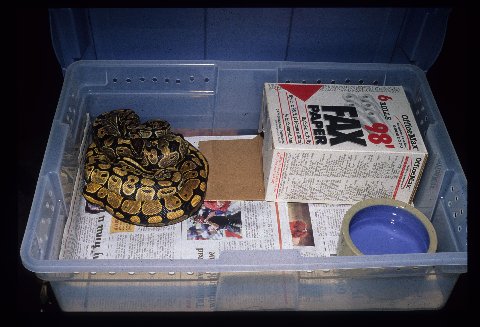
When you decide you'd like to set up a terrarium for your reptiles, you can go for a simple set-up or one that's considerably more complex.

The simple set-up is basically a monastic cell, with newspaper/paper towels on the bottom, a plastic hide box and a water container. Easy to set up, easy to maintain.

Read full article

Tokay gecko: Knowing what to expect

June 19, 2013

My first tokay gecko was purchased on a whim. I was living in Albuquerque, NM, just out of college, living back home while looking for work with no idea of where I'd end up. I made one of my regular trips into the only pet store in town that sold reptiles, and came eyeball to eyeball with a tokay gecko.

For someone whose lifetime experience with lizards had been limited to whiptails and what we called sand lizards (Uta sp.) the tokay was breathtaking. Money changed hands (I think the gecko cost $6.95) and I went home, proudly bearing my new treasure in a brown paper bag. I had a glass-fronted cage made from a dresser drawer leftover from my high school days, so I dug the cage out and set it up. I opened the bag with the gecko inside and placed it inside the cage. Pretty soon Fido Fidas Fidarae, Fido for short, came out of the bag and clung enchantingly to the back wall of the cage. I sat and watched him. He was something to look at, grey with powdered blue and deep red tubercles.

Read full article

Cage furniture: A tale of romance and seduction

June 5, 2013

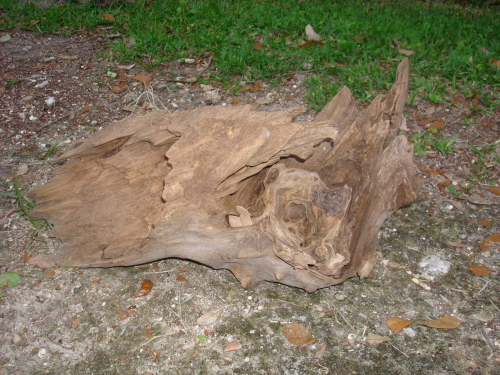
Years ago, when I first moved to Florida, my then-boyfriend took me out to look for cage furniture. We needed pieces of dead wood, curled tubes of bark, odd bits of driftwood, clumps of moss, the sort of item that helps turn a cage from "pathetic" to "that'll do."

Read full article

Escaped!

May 20, 2013

I think every reptile and amphibian keeper has experienced that sinking sensation upon noticing a cage top ajar.

No matter how you've set up your caging, if the animal escapes, your caging or the keeper has failed. If you're an adult, you shrug and take steps to recover the creature. If you're a kid, you know your parents aren't going to be happy with the situation or your attempts to recapture the animal. Unless you find and restore your pet to its housing, this might be the end of your keeping herps for an extended period. If we're talking about an escaped venomous reptile, you (and the animal) need a lot more help than this note can offer.

Read full article

Click to visit Classifieds
Click here to visit Classifieds
Click to visit Classifieds
Site Tools