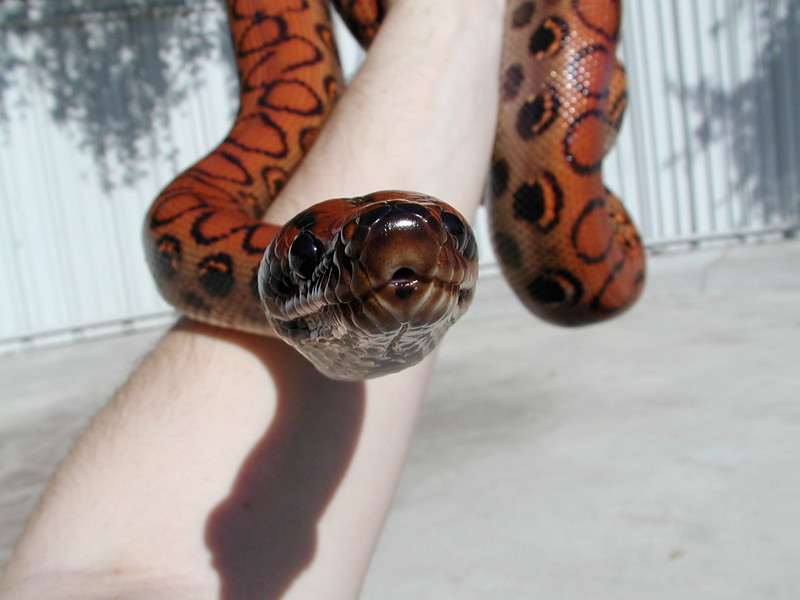
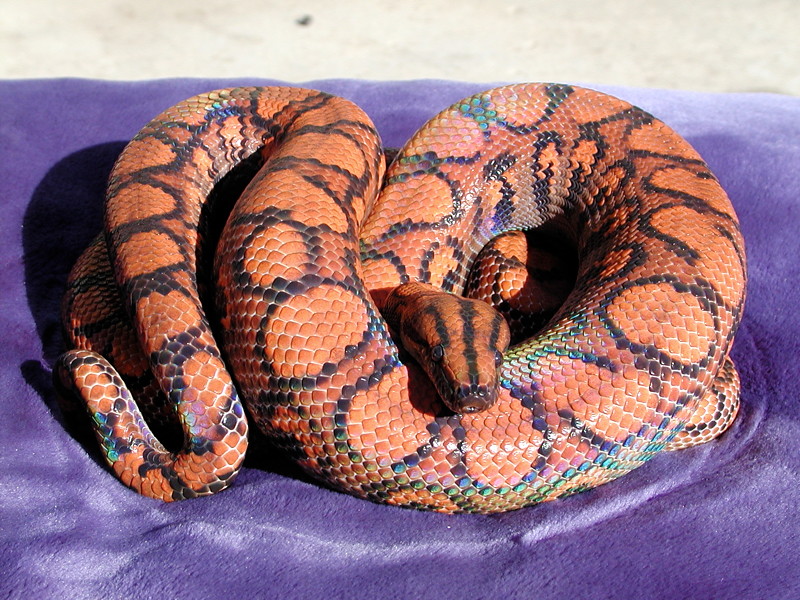
Every once in a great while, an event changes your perception of both your pets and the larger hobby around you. The event can be big, such as the discovery of a game-changing morph; or it can be small, such as the unexpected death of a favorite herp -- but whatever that trigger is, it redefines your comfort and practices forever. The post that follows relates such an event. It is, I suspect -- given the tendency of people to skim long posts and thus miss facts -- a risky move. However, I think the lessons it teaches on the importance of measured reactions, strict procedures, and only using the best “exotic” specialists in the industry are crucial for any keeper; and the events described were not only clearly someone else’s fault, but we took extreme measures to fix them. In the end, everything turned out alright -- but it came tragically close to not being that way.
By way of background, Living Gems Reptiles had lost three animals at the time these events unfolded: Topaz, a stunning orange-red female we had for four years, who passed away from advanced pneumonia in October 2011 (she is the primary animal mentioned below, and her story can be found here); Vlad, an above-average orange male we had since June 2010, who was recovering from an odd infection then suddenly passed away after a difficult tube feeding in October 2011 (his necropsy picked up fluid in his lungs and a strange liver condition); and Hills, a gorgeous high-orange male we had since June 2010 who passed in August 2011 from a simple respiratory infection we accidentally caused (his necropsy turned up nothing unusual). Topaz and Vlad were mates from the 2011 breeding season. Hills was not connected to them in any way. All three animals had been on strict quarantine for some time before passing, the last one starting at the end of August. We also had two August 2009 juveniles that had developed odd scale blemishes, Lancelot and Tigers Eye, both of whom were also on quarantine, and one of whom plays a role in this story. Other a single death back in 2009, these were the first health issues our main collection had ever experienced.