- Black Kingsnake
- Lampropeltis getula niger
- Size:
- Hatchling: 7 - 8 in.
- Adult: 36 - 48 in.(normal)
- Scalation:
- Dorsal: 21 rows
- Ventral: 198 - 217
- Sub caudal: 39 - 55
- Infra labial:9 - 10
- Supra labial: 7
- Anal Plate: Single
|
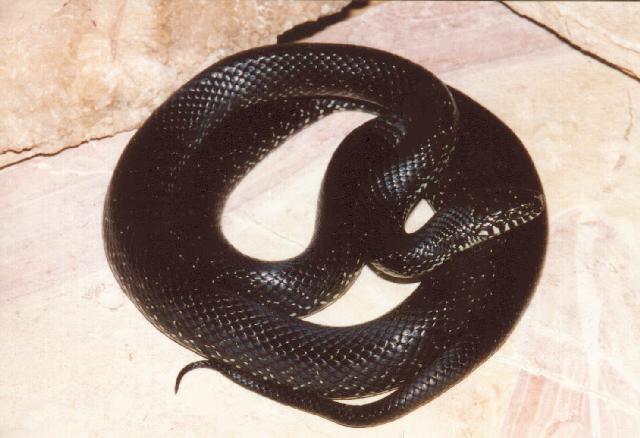
Photo by Troy Hibbitts
click to enlarge |
Written By John Cherry
- Coloration
- Head:
Normally is black with varying degrees of white or yellow speckling.
- Dorsal:
This animal is a dark colored animal that has been described as a poorly marked speckled or desert king. As the name implies it is sometimes entirely black, but most individuals display
varying amounts of vague speckling to individuals that display a evident but poorly defined series of very narrow chain-like dorsal crossbars.
- Ventral:
Normally is about a 50 % split of white and black with no patter.
- Range:
- Ohio, Illinois, Alabama through portions of Georgia.
- Habitat:
- This is a species that is very adaptable and frequents areas such as cultivated fields, lightly
wooded areas and generally any other habitat that has good ground cover and habitat
for prey animals.
- Prey:
- In captivity these animals fair very well on a diet of lab. raised mice. Juveniles normally take
pink mice easily. They are generally aggressive feeders that are easy to start. In the wild they feed
on lizards, snakes, birds and rodents.
- Behavior:
- This is a variable species that does well in captivity. It is can be somewhat aggressive when
first taken from the wild( musking and sometimes biting ), this normally subsides after a short
period of time in captivity with handling.
- Breeding:
- Breeding in captivity is achieved in the same manner as with most colubrids using the following as a guideline. Towards the middle of October cease feeding totally, allowing at least 2 -3 weeks at normal temperature for clearing of the gut. Then gradually reduce the ambient tempeture inside the cage to the upper 50's/low 60's and maintain for a period of 3 months. Be sure and provide clean water and systematically check animals for general condition and welfare during this period.
After brumation and the animals are brought back up to optimum temperature of 78 82 degrees, feeding should resume for approx. three weeks and the pair should be
placed together under supervision for short periods of time until copulation can be confirmed. An egg laying chamber partially filled with damp vermiculite or sphagnum moss is helpful. Eggs should be removed immediately after laying and placed in damp vermiculite for the incubation period of 58 - 66 days at temperatures of 80 - 83 degrees
- Literature Cited:
- Stebbins,Robert C. 1985 second editition revised. A field guide to Western
Reptiles and Amphibians. Houghton Mifflin Company
- Cherry, John Cindy Field & Breeding Notes
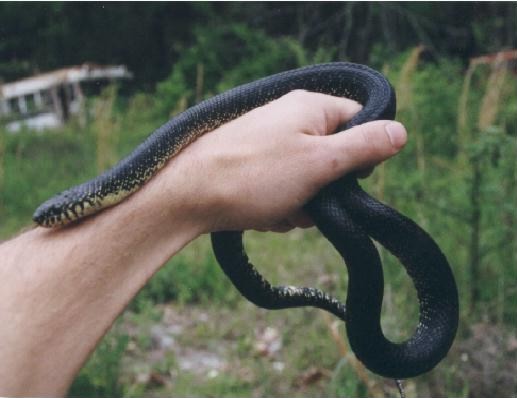
Cheatham County, Tennessee
Gallery Photo by Zane Williams
Click to Enlarge |
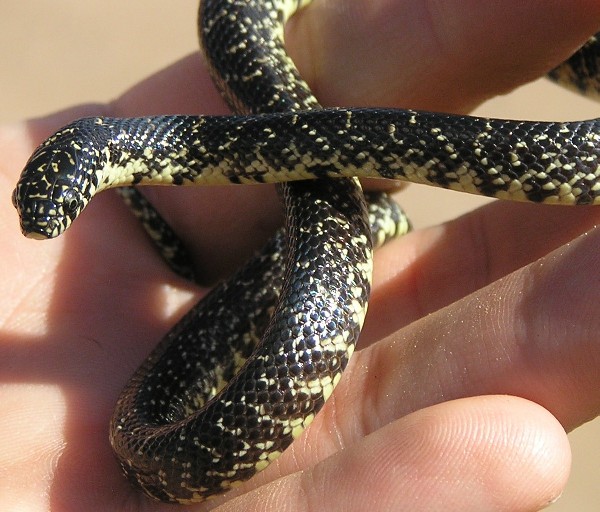
Hatchling
Gallery Photo by SDeFriez
Click to Enlarge |
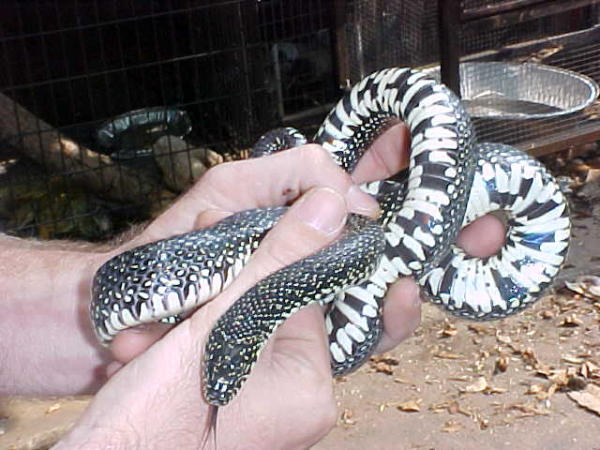
Northern Alabama
Gallery Photo by glindagb
Click to Enlarge |
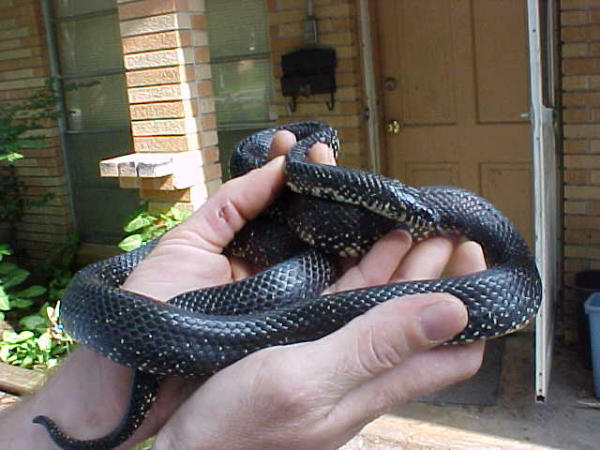
Northern Alabama
Gallery Photo by glindagb
Click to Enlarge |
|
|
Sponsored Link
New & Updated Business Listings
Looking for a reptile or amphibian related business? A reptile store, breeder, importer,
maunfacturer or supplier? Our business directory lists some of the most popluar herp businesses in the world.
| Locate a reptile or amphibian business by name:
|
|
Recent Kingsnake Forum Forum Posts
• new albino cali king, posted by dolphinvolley
• Kingsnake with possible IBD, posted by King
• Advice needed for Alterna, posted by rani
• Cage for Cali/Mexican Kingsnake, posted by Gregg_Mac
• Cage for Cali/Mexican Kingsnake, posted by Gregg_Mac
• when to separate Cal king babies, posted by steeve111
• Scarlet King temps, posted by johnfin
• Please ID This King Snake, posted by Cel49
• New VE 6 Rack, posted by unbeatablebonz
• Is there anybody in here, posted by Jlassiter
• can anybody help?, posted by tzahif
• cannabis is good for snake?, posted by Sharron568
• milk snake habitat, posted by mcevermj
• Please id!!!!, posted by Shaleeclifton96
• Feeding Issue - Please Help!, posted by Acton
Recent Kingsnake Classifieds:
- 2021 10 Apalachicola Lib...
- Mexican Black Kingsnake ...
- Now Buying Kingsnakesall...
- Mexican Black Kingsnake ...
- 2025 Female Pinstripe Ca...
- T Albino FL King
Banner Pool
KINGSNAKE.COM
Enjoy all our content free of charge with a user account that gives you full access to every feature.
For added visibility, paid options are available - post in our Classifieds, showcase your business with
Banner Ads or a Directory listing, promote reptile events, and more.
|
Quick Links
|
Community
|
Legal & Safety
|
Support
|
|
|
Kingsnake.com ® is a registered trademark © 1997-
|
|
|