
Origins of Chytrid discovered
By Cindy Steinle · February 5, 2026 2:45 am
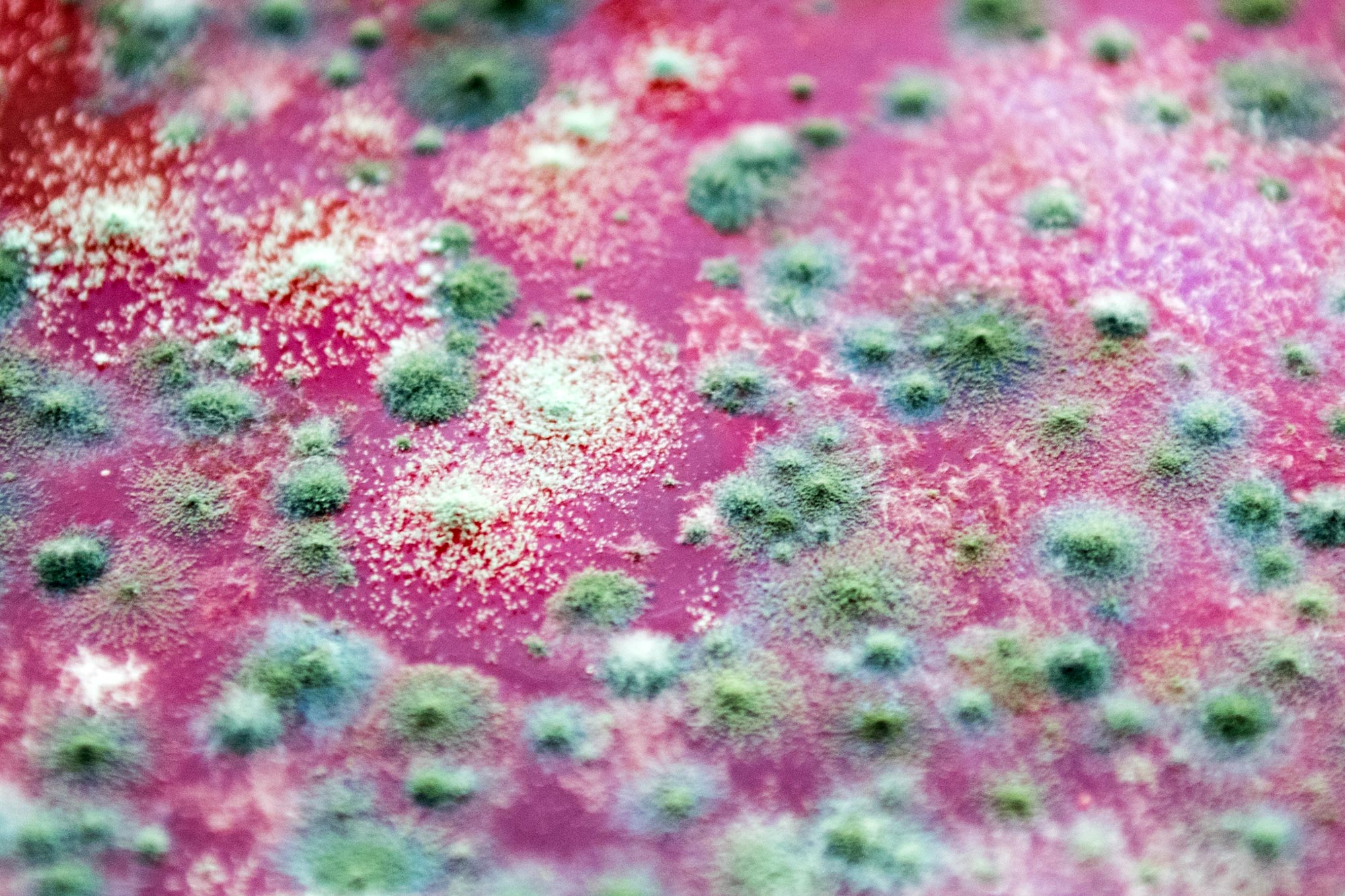 A devastating fungal pathogen has reshaped amphibian populations worldwide, but its true origins have long remained uncertain. By combining historical museum specimens, genetic evidence, and global trade records, researchers traced one major strain of the fungus back to Brazil, well before international frog farming began. Credit: Stock
The devastation of Batrachochytrium dendrobatidis, otherwise known as chytrid fungus, to frog populations worldwide has been absolutely devastating, even wiping out entire species. How did it exactly start? Researchers think they finally have the clue.
A devastating fungal pathogen has reshaped amphibian populations worldwide, but its true origins have long remained uncertain. By combining historical museum specimens, genetic evidence, and global trade records, researchers traced one major strain of the fungus back to Brazil, well before international frog farming began. Credit: Stock
The devastation of Batrachochytrium dendrobatidis, otherwise known as chytrid fungus, to frog populations worldwide has been absolutely devastating, even wiping out entire species. How did it exactly start? Researchers think they finally have the clue.
Researchers believe the worldwide movement of Bd is closely tied to the commercial trade in bullfrogs (Aquarana catesbeiana), a species native to North America that is raised for food in many countries. Bullfrogs were first brought to Brazil in 1935, followed by another introduction several decades later during the 1970s. One particular variant, known as Bd-Brazil, was first identified in the country in 2012 and named accordingly. Its origins were later questioned after a 2018 study published in the journal Science proposed that the strain may have emerged on the Korean Peninsula. As a result, the genotype was subsequently referred to as Bd-Asia-2/Bd-Brazil.To learn more and how they are working to stop more spread, read the full article here.