mobile - desktop


  |
| mobile - desktop |
|
 |
 Contact Sales! |
News & Events:
|
|
Reptile & Amphibian
News Blog Keep up with news and features of interest to the reptile and amphibian community on the kingsnake.com blog. We cover breaking stories from the mainstream and scientific media, user-submitted photos and videos, and feature articles and photos by Jeff Barringer, Richard Bartlett, and other herpetologists and herpetoculturists.


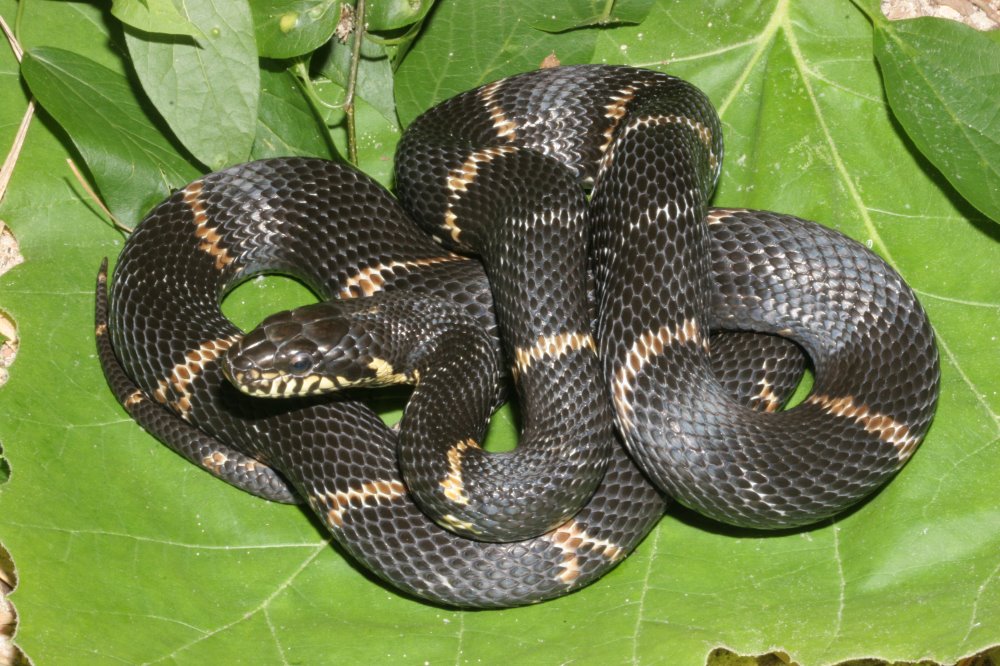
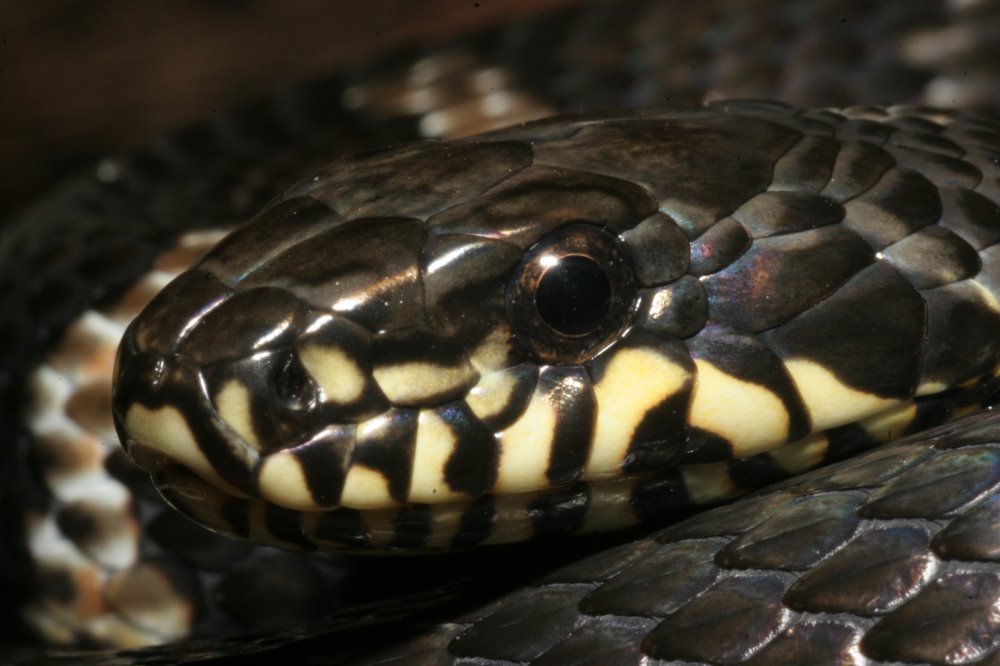
Monday, October 4 2021That Other Black Rat Snake, the Russian Rat Snake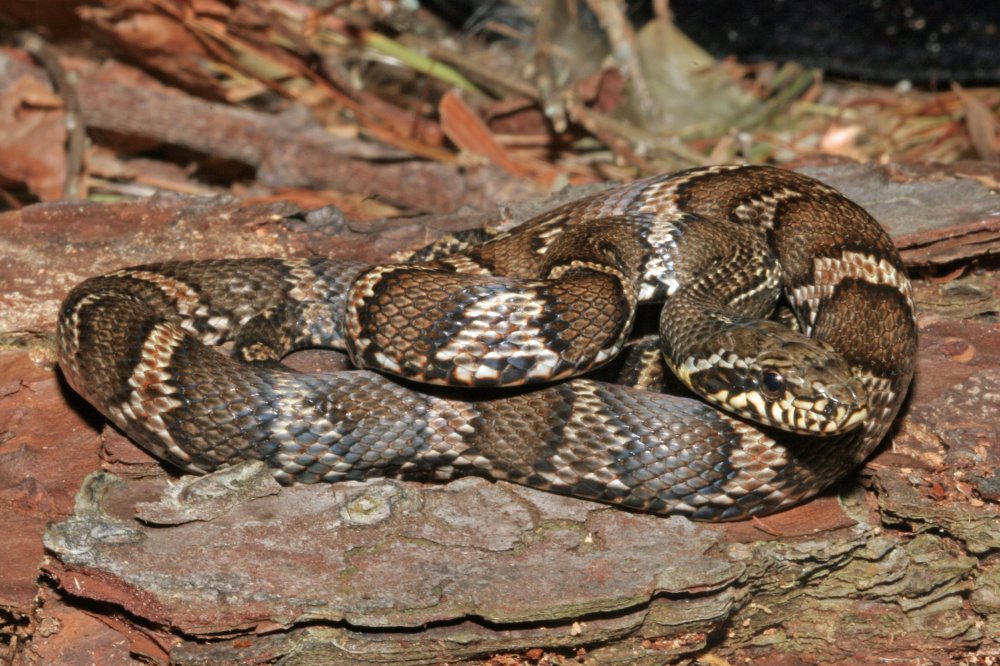 This is a hatchling Russian Rat Snake In bygone days the Russian Rat Snake Elaphe schrencki was the nominate subspecies, with the Korean Rat Snake, Elaphe schrencki anomala, being the second subspecies. Each were elevated to full species status several years ago. Talking about this pretty constrictor should make all of the diehard wannbe users of the genus Elaphe, happy, because it, as well as several other Eurasian species, remain in that genus. Although commonly known as the Russian Rat Snake by USA enthusiasts, it is also commonly referred to as the Manchurian Rat Snake. The range of this white banded black snake includes Russia, Mongolia and Northern China (Manchuria).. Like other rat snakes, including those of the USA, the Russian Rat Snake’s preferred habitats include open forest, scrublands and farmlands. It is an agile climber and swimmer that does not hesitate to use lakes and streams as escape routes if harried. As mentioned above, the ground color of this snake is black. This is interrupted by numerous widely separated narrow white (often dirty white) to yellow bands. The head is black but the labials are white to yellow(ish) with black interscale sutures. The venter is cream to pale yellow with numerous black spots. Adult size ranges from 4 ½ to 6 feet in total length. Prey includes rodents and other small mammals, birds and their eggs. Clutch size varies between 4 and 25+ eggs. Incubation duration is less that with other rat snake species, varying from 38 to 50 days. Ground color of the 10” long hatchlings is brown with black-edged lighter bars. Comments
Display comments as
(Linear | Threaded)
The author does not allow comments to this entry
|
Our Sponsors CategoriesSubscribe |

|

|
|
|