mobile - desktop


  |
| mobile - desktop |
|
 |
 Contact Sales! |
News & Events:
|
|
Reptile & Amphibian
News Blog Keep up with news and features of interest to the reptile and amphibian community on the kingsnake.com blog. We cover breaking stories from the mainstream and scientific media, user-submitted photos and videos, and feature articles and photos by Jeff Barringer, Richard Bartlett, and other herpetologists and herpetoculturists.


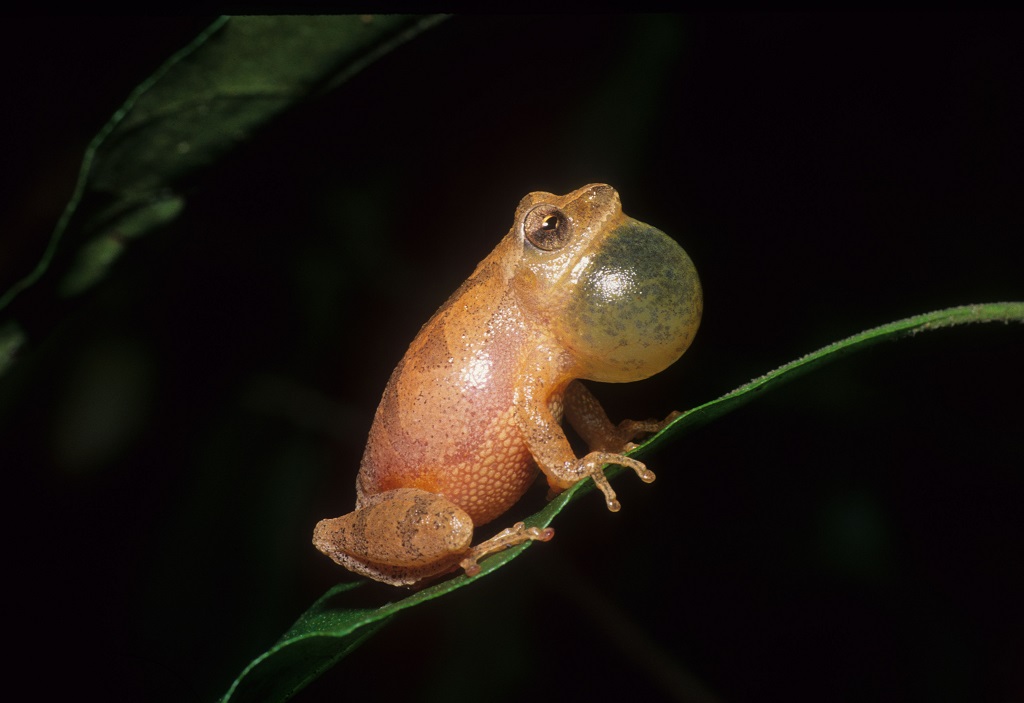
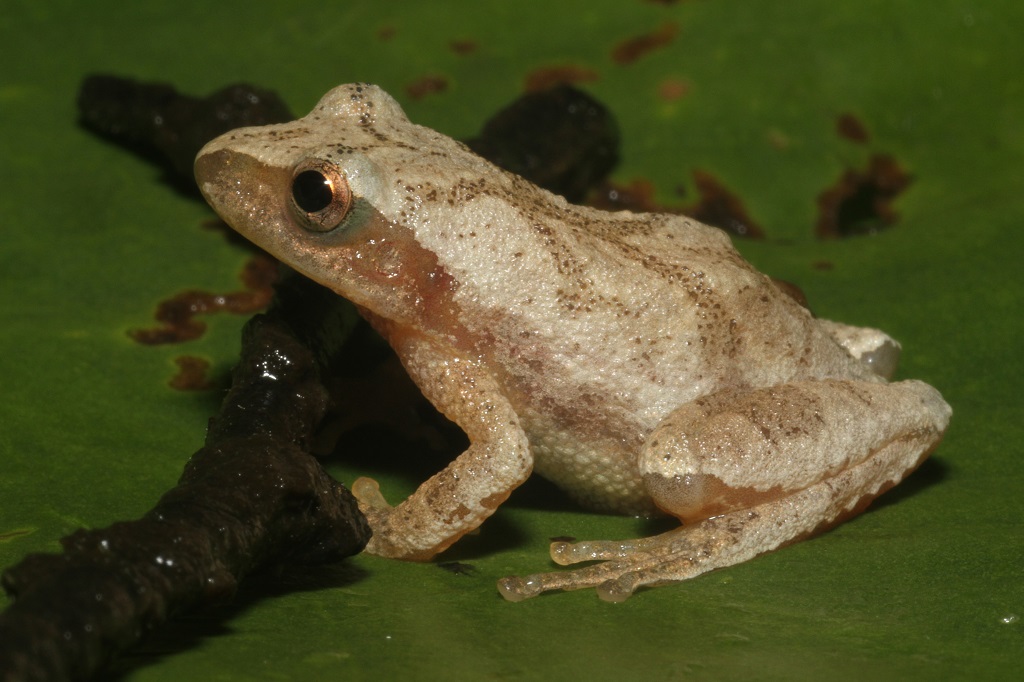
Monday, May 14 2018Peeper Time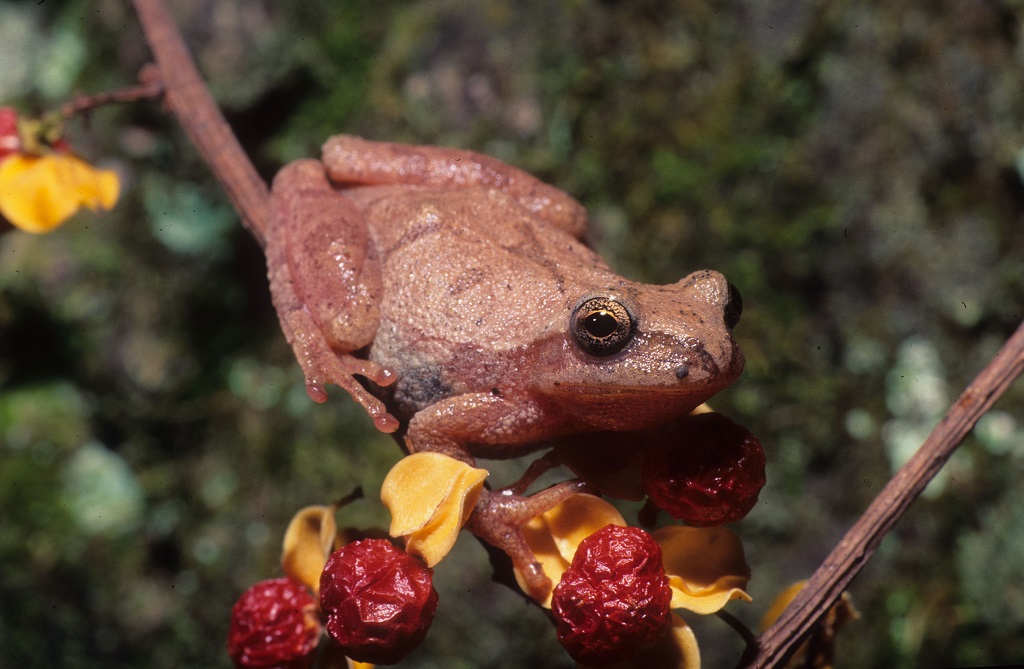 Although capable of climbing, the peeper does not usually ascend very high. Although peeper season down here in the “deep southeast” (nFL, sGA and sAL) is now almost over (it’s mid-April), it was brought to my attention the other day that it has just started up in the northland that I still think of as “home.” Unlike in New England, where winter is a fearsome period of unruly (and usually COLD) weather and warmth providing fireplaces, down here, rather than by climatic extremes, “winter” is best defined by calendar dates. Depending on rains and temperatures peepers, Pseudacris crucifer, in the southeast may be heard calling in the late autumn to and through the winter months (November to March). So in actuality they (and most other chorus frogs, of which the peeper is one, are winter peepers. Peepers are capable of limited metachrosis. They are usually darker when cold than when warm. And a darker, often imperfect, X (the crucifix from which the species name crucifer, is derived) is usually visible on their back. This little frog, a hylid (treefrog), has tiny toetip discs that allow it to climb, even if haltingly, and is adult at a SVL of 1.5” or less. For the most part, our chorus frogs are done vocalizing until next autumn. Now with the advent of warmer weather it’s treefrog time, with the green treefrog often leading the other choristers. It’s nice to have frog voices year round. Comments
Display comments as
(Linear | Threaded)
The author does not allow comments to this entry
|
Our Sponsors CategoriesSubscribe |

|

|

|
|