
mobile - desktop


  |
| mobile - desktop |
|
 |
 Contact Sales! |
News & Events:
|
|
Reptile & Amphibian
News Blog Keep up with news and features of interest to the reptile and amphibian community on the kingsnake.com blog. We cover breaking stories from the mainstream and scientific media, user-submitted photos and videos, and feature articles and photos by Jeff Barringer, Richard Bartlett, and other herpetologists and herpetoculturists.


Tuesday, November 30 2010Jim Fowler throws down on Sen. Bill Nelson at Florida Expo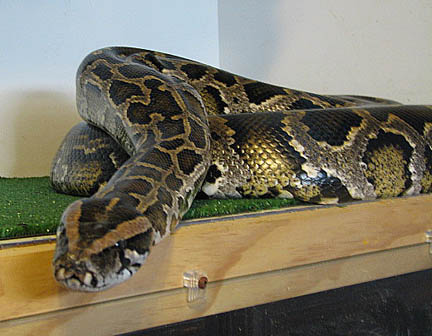 Internationally known zoologist and former "Wild Kingdom" host Jim Fowler, appearing at a wildlife expo in Florida this weekend, blamed media hype and Senator Bill Nelson for the Burmese python problem in Florida. From an interview with a Florida based newspaper group: Internationally known zoologist and former "Wild Kingdom" host Jim Fowler, appearing at a wildlife expo in Florida this weekend, blamed media hype and Senator Bill Nelson for the Burmese python problem in Florida. From an interview with a Florida based newspaper group:"The media is creating a fear of animals," Fowler said, "and animals are really not dangerous to humans...." Jim Fowler began as co-host of Mutual of Omaha's "Wild Kingdom" with legendary zoologist Marlon Perkins before becoming the main host in 1984, winning four Emmys in the process. Now 80, Fowler is still active and is at the expo to introduce animal exhibits and also offer "a new message for the 21st century." To read more about what Jim is saying and doing now, check out the article in The Walton Sun. Monday, November 29 2010More troubles for Sea Turtles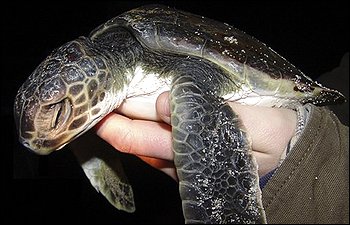 I'm starting to sound like a broken record, but please oh please, can the Sea Turtles catch a break? I'm starting to sound like a broken record, but please oh please, can the Sea Turtles catch a break?First the BP oil spill devasted the turtles. Now they're being rushed to the New England Aquarium suffering from cold waters. From NCEN: The endangered reptiles washed up on the beaches of Wellfleet late Wednesday night. They'd come north to feed on crabs over the summer and got stuck in the chilly waters of Cape Cod Bay. The video is after the bump, but if Santa exists, can he cut the Sea Turtles a break for one year for my gift? Continue reading "More troubles for Sea Turtles" Conservation Roundup: Tuatara takes the prize, and tree frogs find love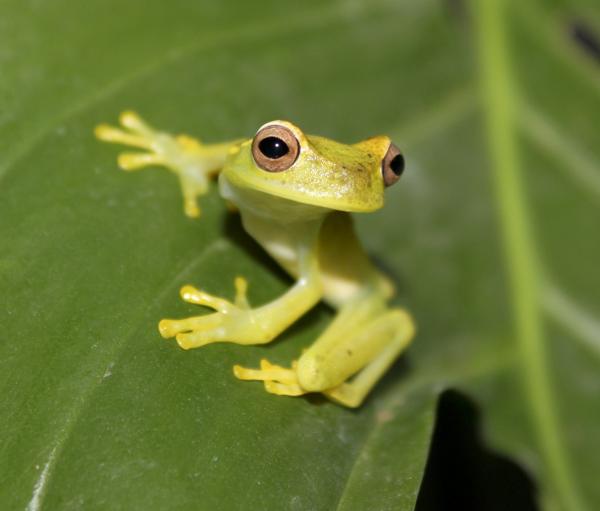 Our world's amphibians are taking a hit in the wild, but a first time breeding of the La Loma Tree Frog gives hope for at least one species' survival. Our world's amphibians are taking a hit in the wild, but a first time breeding of the La Loma Tree Frog gives hope for at least one species' survival.From Science Daily: "We are some of the first researchers to attempt to breed these animals into captivity and we have very little information about how to care for them," said Brian Gratwicke, international coordinator for the project and a research biologist at the Smithsonian's National Zoo, one of nine project partners. "We were warned that we might not be able to keep these frogs alive, but through a little bit of guesswork, attention to detail and collaboration with other husbandry experts -- we've managed to breed them. The lessons we're learning have put us on target to save this incredible species and our other priority species in Panama." An award was given to the Spinyback Tuatara Trust recently for their education efforts. From The Nelson Mail: The trust's executive officer, Sarah Holman, said the programme allowed people to get up close with two 10-year-old tuataras, and promoted a conservation message mixing science with stories from Ngati Koata, the Kaitiaki, or guardian, of the tuatara. Congrats and thanks to all those who volunteer for conservation. There are more of you out there than most of us realize! Sunday, November 28 2010Our summer with the snakes Until the past two summers, in eight years of living where we do now, we've only seen two snakes. But that changed the summer before last. We have free range chickens, which should have brought the snakes in years ago, but it didn't. Then the summer of 2009, we started getting visitors. It started with a corn snake, which I don't think I've ever seen in the wild, even though they are of this area. Then it was your traditional black rat snakes. The corn snake was in the back of our field, so we observed him for a bit and let him go on his way. But the rat snakes were more bold. They started investigating my husband's shop, which was also a favorite laying spot for one of my chickens. About ten pm one night we heard her raising cain, and found her fighting off a rat snake trying to get her babies. He was caught and removed. We had another that while he ate the hen's eggs, he was constricting the hen at the same time. It took some doing, but my husband got him to let loose of the hen and she lived to see another day, as well as he did. This summer proved to be most interesting in their activities. We had a total of four rat snakes and a coach whip that were removed from our yard. My mother in law lives next door to us, and called me one afternoon frantic. She'd noticed the chickens were raising cain and when she went to see what all the commotion was about, she found two rat snakes against the back side of her house, trying to preserve the species. Not something she wanted to find. My husband, the snake mumbler as a friend of ours calls him, caught both of them and we relocated them down the road. Love was still in the air, right back at it they went. One was your regular black rat, who'd obviously had a pretty rough life. The tail was missing and scars over the body. I would venture to say it may have survived a run on the highway. The other was a yellow rat snake, which isn't something we see often in the south central part of SC. The local snakes must know my mother in law hates them, because out of the five snakes this year, four we caught along the back side of her house. One was in my husband's shop. And each one is carefully caught, and released elsewhere. They can live in the field, but once they start coming to the house, it gets a bit to close for comfort. And my mother in law starts freaking out. Wonder what he'll catch next year? 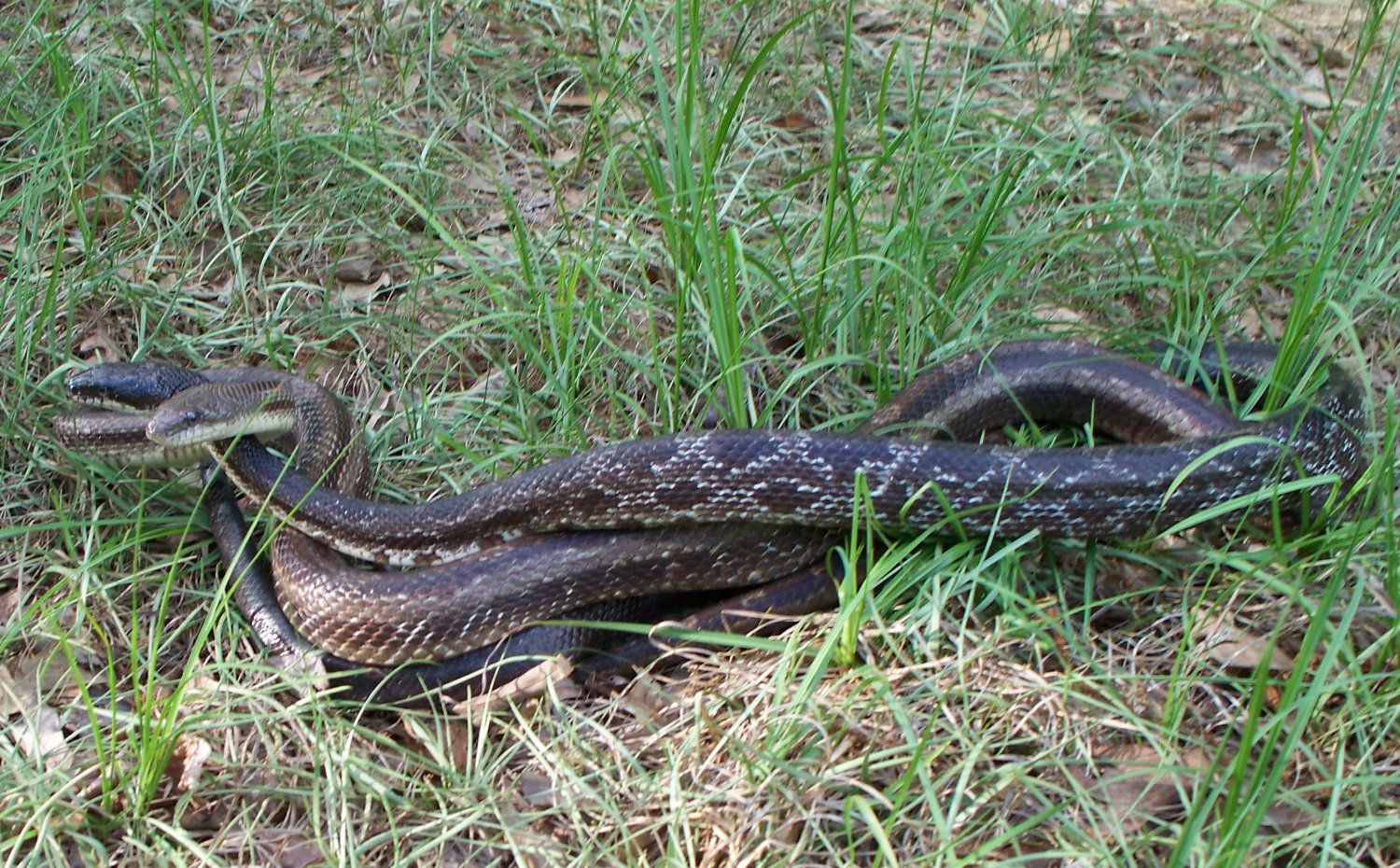 Mountain Yellow-legged Frogs get a chance at survival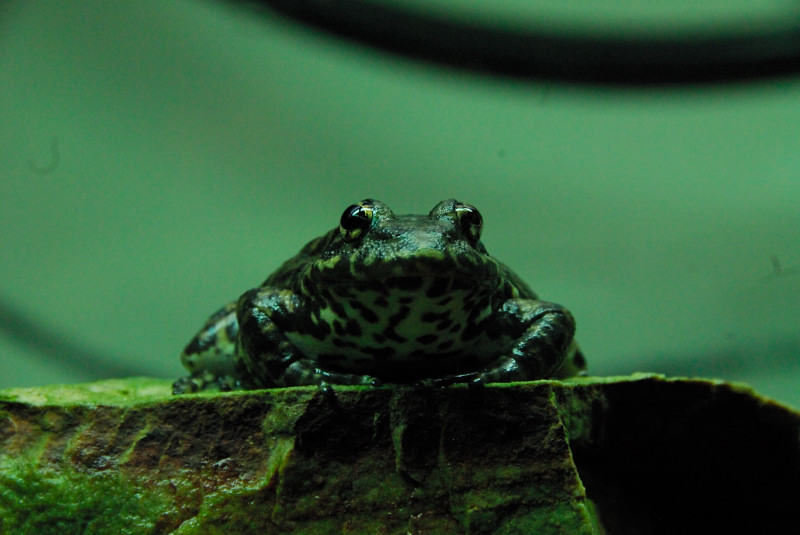 The future of the Mountain Yellow-legged Frogs in California is getting brighter with a second tadpole release. The future of the Mountain Yellow-legged Frogs in California is getting brighter with a second tadpole release.From the Zoo and Aquarium Visitor: The initial reintroduction effort of this species occurred in April 2010 when about 500 eggs were released into the stream in hopes of successful hatching. The tadpoles from that release of eggs are so small that it has been difficult for scientists to determine how many survived. Kingsnake.com paid a visit to the Beckman Center for Conservation Research in September, and Jeff Lemm proudly discussed their work with the Mountain Yellow-legged Frogs, going into great detail about the project as well as concerns relating to the release. Initial reports of survival rates of the initial egg release were amazing, and we at kingsnake.com wish them the same luck on this release. Friday, November 26 2010Thursday, November 25 2010Hibernation
Most people that try to breed temperate colubrids hibernate (cycle) their animals. I have some kingsnakes I want to breed next year, so I decided to give it a go.
Here's the steps: Decide you'll hibernate them over the holidays to make vacation easier. Good a time as any. Stop feeding the snakes early october. In late October, figure out what can keep temps in the low to mid 50s, and hold lots of plastic bins. I went with a wine cooler. Blanche at the cost of the wine cooler, but buy it anyway. Realize the wine cooler doesn't fit in your car, call a friend with a van from the phone at Home Depot. Get the wine cooler home, drop it on your foot while moving it into your bedroom while wondering how you're going to explain this to your wife. Plug it in, set it at a medium coolness setting, let it run overnight. Realize setting 4 holds it in the mid 50s which seems perfect. Come home from work, get a "look" from wife regarding the new thing taking up space in the bedroom, and the presence of snakes in the bedroom. Clean out some extra tubs you have laying around, and some small water bowls. After tubs are dry, fill with 2-3" of aspen, place water bowl in, an get the snakes in the tubs. I'm chilling them in pairs or trios based on desired breedings. Week 1-3: open door daily to let in fresh air, check on water bowls and animals. Be grateful for drastically reduced cage work. Weeks 4+: Be bored out of your skull with all your babies in hibernation and nothing to do. Think about painting the house, building an outbuilding, or just watching paint dry. Week 12 (still to come: Warm up temps in wine cooler over 3-4 days to the mid sixties. Unplug heat tape on the rack I use, and place them in the tubs at room temp for a day or three, then plug in heat tape on a lower setting. Week 40: Look forward to a short break again 
Wednesday, November 24 2010Lost amphibs hopefully soon found in India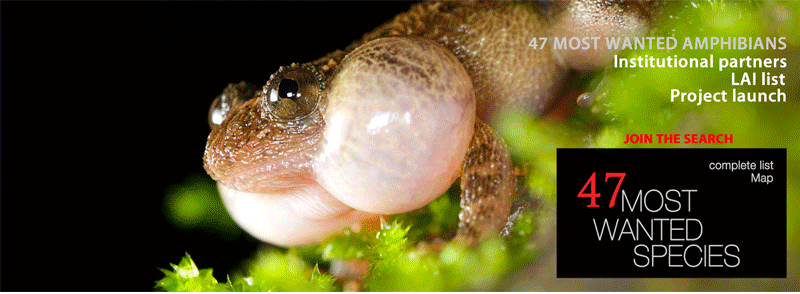 The extinction of amphibians is occurring at such a staggering rate that it's rare and wonderful to see a country set goals to work towards conserving them before it's too late. As reported in a recentpress release, The University of Delhi formed a partnership with Global Wildlife Conservation, the Natural History Museum (London), the IUCN/SSC Amphibian Specialist Group, the Wildlife Conservation Society, and Conservation International to launch a program called "LOST! Amphibians of India." "Now is the time to act and show our support for these species of India before they shift from lost to extinct," said Conservation International's President, Dr. Russell Mittermeier. Often referred to as nature's barometers, amphibians are declining at an amazingly fast pace. To visit the website for the program, click here Tuesday, November 23 2010Tortoise hibernation advice from Tortoise Trust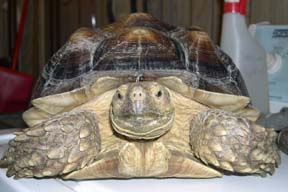 I always get asked about hibernating animals, even though it's not information I need myself. I don't breed, so the snakes are safe and the turtles and tortoises that come and go through my rescue are temporary visitors; they stay up year round here. I always get asked about hibernating animals, even though it's not information I need myself. I don't breed, so the snakes are safe and the turtles and tortoises that come and go through my rescue are temporary visitors; they stay up year round here.Today, the Tortoise Trust released their revised hibernation guidelines, and the break down by species rocks. The Tortoise Trust, much like our friends over at the Turtle and Tortoise Preservation Group, aims to help establish captive colonies of tortoises in private homes as well as educating the pet owners on proper care. All of the information presented has been carefully prepared by some of the most experienced tortoise keepers in the world in close consultation with leading veterinary surgeons. The techniques described are in daily use at our own tortoise sanctuaries in Britain, the USA, and South Africa, and have been tried and tested over many years. The effectiveness of these techniques is such that despite hibernating possibly more tortoises each year than anyone else, we have never suffered a single hibernation fatality. In each case, the methods used were those described in this booklet. With proper care and attention to detail, you too can achieve similar results. The breakdown is very detailed and also shows some of the issues that may present themselves post waking. To search out your species, click here. Monday, November 22 2010Flying snakes reveal their secrets in new study-med.JPG) Known to herpetoculturists as the Paradise Tree Snake,Chrysopelea paradisi is one of five related species of tree-dwelling snakes from Southeast and South Asia. And this snake is revealing to scientists the secrets to its unique ability to "fly," or more accurately, to glide, from great heights and over great distances. Known to herpetoculturists as the Paradise Tree Snake,Chrysopelea paradisi is one of five related species of tree-dwelling snakes from Southeast and South Asia. And this snake is revealing to scientists the secrets to its unique ability to "fly," or more accurately, to glide, from great heights and over great distances. Scientists have tracked them gliding more than 79 feet in distance in the Asian jungle canopy. In fact, according to study author Jake Socha, a biologist at Virginia Tech, they're not shy about displaying their skills on camera. "They glide; that's what they do," "So they're like, 'I'm outta here, I'm gonna go down there." Socha and the team at Virginia Tech discovered that it's not only the snakes ability to flatten themselves out into an airfoil that gives them the ability to glide for extreme distances, but their undulating body movements also play a great part in extending and directing their flight. To check out the article on Live Science about this amazing flying snake, click here, or check out some of the videos at http://homepage.mac.com/j.socha/video/video.html. Sunday, November 21 2010Wilson's first clutch (maternal incubation) We decided to try our hand at breeding this year. Years ago, two of our snakes bred (they were both females, ha, ha, joke was on us!) and in our inexperience, we let the eggs die. So after lots of research, we decided to try again. Even though we have a male pastel ball python, we decided to put the male that bred Wilson before in with her. Both are normals. Del proved to be just as studly as he was four years ago, and breeding began. They locked up almost immediately, and stayed that way for 24 hours. I jokingly told my husband that some women have all the luck. He was not amused. We let Wilson and Del together for a few days, to see if they would lock again, but once was obviously enough. Del returned to his own enclosure, we waited. We had long ago decided we wanted to be different. Everyone says incubator, incubator! Well, we opted for maternal incubation. Yes, it's hard on the female, and keeps you from being able to breed again that year. We aren't breeders, we had no interest in breeding her again this year. We wanted to see the process, I guess getting as close as we'd ever see to them breeding and incubating in the wild. Though we had an incubator ready for back up in case something went wrong. July 13th, Wilson laid a clutch of 5 eggs directly under her heat lamp, instead of in her hide box like last time. Figuring she knew what was best, we left her to the baking of baby snakes. Ever the smart mother, she had no need to leave the nest to bask and warm up, no shivering to bring up her own body temperature. During the incubation, we had worries. The eggs started to sink in, discolor, and looked nothing like the pictures of viable eggs looked like. But my husband and I reminded ourselves, those are eggs in an incubator, not being hatched by the snake itself. So we left them be. We worried that Wilson would get underweight and become ill. So we watched for signs. In about the fourth week, our first real problem came about. Wilson had come into shed. She left her nest long enough to get some of the skin off her face, but her body was still covered in old skin. It literally looked like it had exploded on her body. So we fretted. Do we pull her off and soak her? Do we leave her and see if she gets it off herself? If we remove her, how combative will she be? After a day of debate, we decided that the eggs weren't worth her getting infections from old skin, so hubby donned a pair of gloves and opened the door. We really expected her to be come aggressive, to protect her clutch, but shockingly she only coiled tighter. He gently removed her from her nest and she allowed him. No aggression, no bites, no need for the gloves. It was as if it was no different than any other time he'd removed her from her tank. Now, I knew these two had a bond, but not like that! We placed her in the soak tank and decided we would check out the eggs. One egg we could tell immediately was a dud. The other four, though they looked rough, showed signs of life. Carefully replacing them how he found them, my husband shut the enclosure door. We gave Wilson her soak time, pulled her out and my husband wiped all the old skin off. We checked her out, making sure that four weeks without a meal wasn't taking a tole on her body. She had lost some weight, of course, but was not unhealthy. So we returned her to her tank. September 18th, my husband comes banging on the bathroom door, "We have babies!" We both rush in, and watch with wonder as we see this tiny head sticking out. It was amazing to watch Wilson, curled around these now white and brown eggs, and a head hardly bigger than my thumb looking around. I guess we spooked it, because it sucked back into the egg. We had to wait about ten minutes before it would come back out. About two hours later, it was finally free of the egg that protected him for all those months. Again worried of her reaction, but knowing she would crust that tiny baby, my husband reached in and removed it from the nest. He passed it to me, and I just stared in absolute wonder. Never before had I held something so tiny and so fragile. And I was helping it get its first look at the world. Out of the four eggs, three hatched. The last egg was developed, but did not make it. We suspect because it was on the bottom of the pile, it was unable to escape the egg. If we'd have realized, we would have helped, but we were learning. Wilson is back to powering down her food, trying to regain the weight she lost while incubating her eggs. She's almost there. Soon she'll return to the finicky eater she was before breeding season, but hopefully not until she's back up to weight. There is discussion of breeding her to our pastel next year, but we will see. Saturday, November 20 2010Dinosaurs just got venom: Komodo dragon linked to African fossils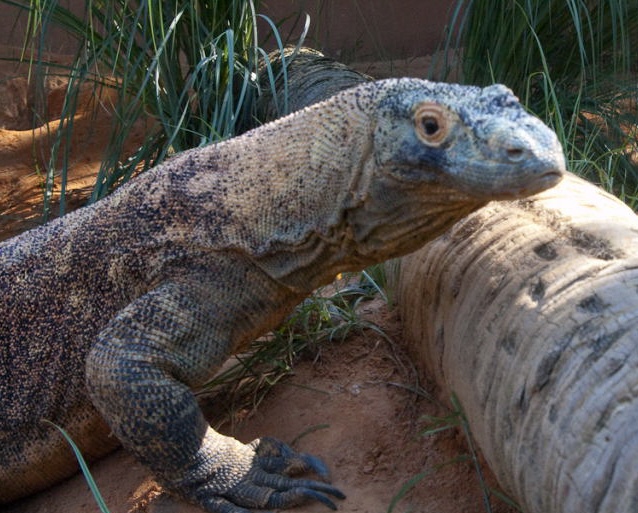 Komodos may be the biggest, baddest lizard out there, but a recent study linking the Komodo Dragon, native to Indonesia, to ancient African lizards just brought them to another level of coolness. Komodos may be the biggest, baddest lizard out there, but a recent study linking the Komodo Dragon, native to Indonesia, to ancient African lizards just brought them to another level of coolness. Canadian biologists Alison Murray and Rob Holmes found the vertebrae of these two animals is the key connecting them together. From Physorg.org: Holmes says the telltale African vertebrae fossils belonged to a lizard that was about a metre- and-a-half long whose ability to swim may be key to figuring out how more than 30 million years later its ancestors turned up on the other side of the world. After the bump you will find the actual abstract for the paper, published in Palaeontology: Continue reading "Dinosaurs just got venom: Komodo dragon linked to African fossils" Friday, November 19 2010CT scan tracks snake digestion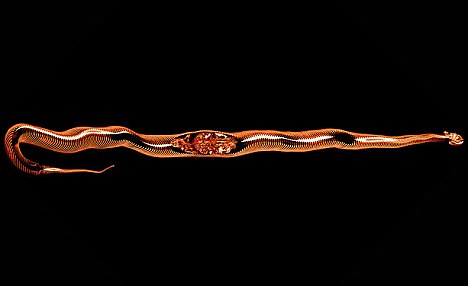 It's an older story, but worth reading: An amazing CT scan tracks the progress of a python's digestion and leaves me saying "COOL!" I know the beginning and the ending of the process first hand, but the really fun part is the middle, complete with pictures! It's an older story, but worth reading: An amazing CT scan tracks the progress of a python's digestion and leaves me saying "COOL!" I know the beginning and the ending of the process first hand, but the really fun part is the middle, complete with pictures!From the DailyMail: Scientists were able to carry out a computer tomography or CT scan and used magnetic resonance imaging (MRI) to study the 5kg snake. The folks over at Science Giest had the same reaction I did. Geeks of a feather? After the bump, the BBC video of the CT scan. Further geeking abounds! Continue reading "CT scan tracks snake digestion" Wednesday, November 17 2010Conservation Roundup: Marine Iguana smuggling attempt foiled; Gila Monster Protection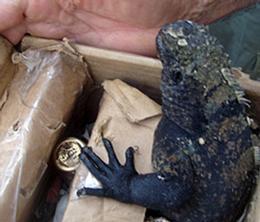 The smuggling of an animal as precious as a Marine Iguana is about the stupidest thing possible, but hey, some people will try anything for a buck -- even taking animals that live solely on the food in their habitat. The smuggling of an animal as precious as a Marine Iguana is about the stupidest thing possible, but hey, some people will try anything for a buck -- even taking animals that live solely on the food in their habitat.From Wildlife Extra News: An attempt to illegally export marine iguanas, an emblematic species of the Galapagos, has been stopped by the Ecuadorian Environmental Police's dog unit. The box was abandoned and the iguanas at least will hopefully return to the wild. The dogs are trained to sniff out wildlife and recently found a house with shark fins, also protected, on Santa Cruz Island. In late October a group in Utah sued the U.S. Fish and Wildlife for failure to protect their native Gila Monsters. From Desert News.com: The suit filed in U.S. District Court in Colorado says stresses on the Utah population, which occur only in Washington County, include declines in habitat because of increasing urbanization, illicit trade and poaching, as well persecution by humans. It is felt that this northernmost range of the Gila and the survival of the group are critical for the species overall population. Tuesday, November 16 2010UPDATE: Preserving Southern California's Chatsworth Reservoir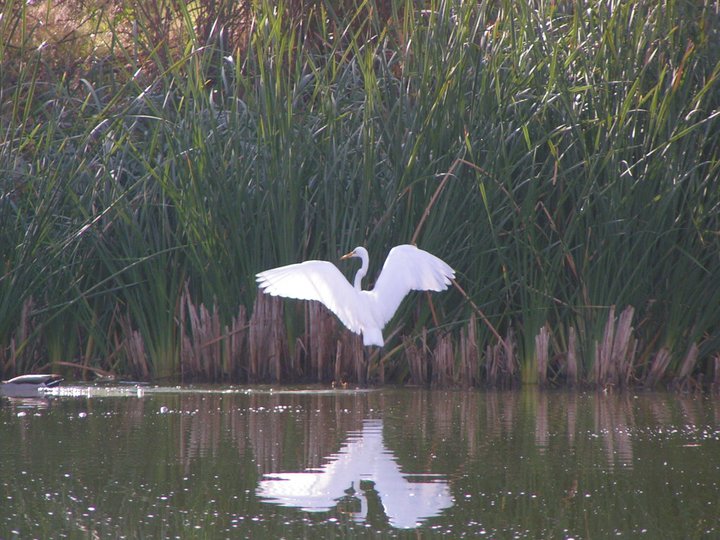 Even though the cut-off date for public comments about preserving the Chatsworth Reservoir was November 15, the office is still accepting correspondence. Apparently, some facets of the community were not informed in a timely manner about the public comment period. In fact, the Southwestern Herpetologists Society (SWHS) only learned about this plan less than two weeks ago. Even though the cut-off date for public comments about preserving the Chatsworth Reservoir was November 15, the office is still accepting correspondence. Apparently, some facets of the community were not informed in a timely manner about the public comment period. In fact, the Southwestern Herpetologists Society (SWHS) only learned about this plan less than two weeks ago.So, keep the correspondence flowing. The posting information and phone number, along with the sample letter can be found in the here. I had the opportunity to see the land in question for myself; thanks to SWHS's Rande Gallant and Jarrod Lucas for the summary information about the reservoir and also what it means to SWHS and the community! It saddens me to think that this last area of the San Fernando Valley's untouched wetlands has the potential to be flattened and "restored". We all know that it's never quite the same after that, especially for the indigenous plants and animal life! I haven't had the chance to review and process all my photos yet, but SWHS's Diana Sprout has graciously provided some photos to give you an insight to the animal life there -- you can see them under the jump. Continue reading "UPDATE: Preserving Southern California's Chatsworth Reservoir" Show Report: SEWERFest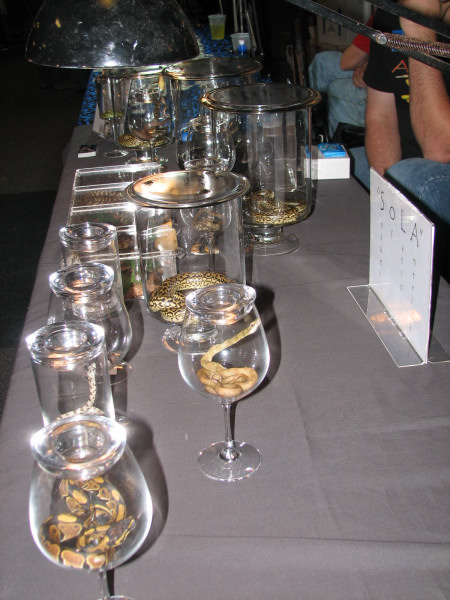 SEWERFest, one of the major shows in Wisconsin, could use a name change, but it does hold true to the promise of "captive-bred only." SEWERFest, one of the major shows in Wisconsin, could use a name change, but it does hold true to the promise of "captive-bred only." "SEWER" actually stands for "South East Wisconsin Exotic Reptile," and it is one of the two major reptile shows here in Wisconsin. The organizers are pretty strict about the captive bred rule, and it offers a nice alternative. I had to share Gavin's table from SoLA for best in show. Gavin really tends to put a bit of effort in presentation and while I tend to give him a really hard time, it's nice to see someone put effort into presentation. I, on the other hand, was far less inspired. Unlike most vendors here, I am just displaying a variety of reptiles available for adoption, with no placements today. I spent my time chatting about what make good pets, promoting good breeders of species we do not currently have, discussing the pending reptile laws. All in a days work, and thankfully the organizers offer free table space to rescues, herp societies and other non-profit groups. This is also one of the rare shows I actually work from this side of the table. I usually am working for kingsnake, but today I am doing a bit of personal promotion. Each show, the organizers also donate a portion of the door. Aaron LaForge, one of the promoters, just lost his father-in-law to lung cancer, so today they stepped outside the reptile realm and chose the Lung Cancer Research Fund. After the bump are a few shots from the show, I didn't place anything but I had several folks interested in my cal king as well as my blue tongue skink. Cross those fingers I have placement by thanksgiving! To see the full gallery, click here. Continue reading "Show Report: SEWERFest" Saturday, November 13 2010The public's assistance requested: Preserving Southern California's Chatsworth Reservoir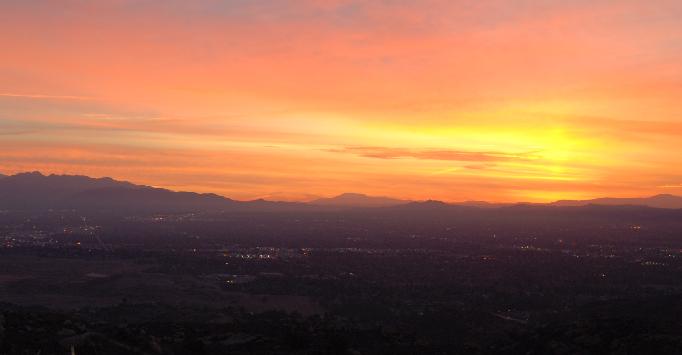 At the November Southwestern Herpetologists Society (SWHS) meeting, the current state of Chatsworth Reservoir was brought up. This local area is also part of the society's Junior Herpers program. At the November Southwestern Herpetologists Society (SWHS) meeting, the current state of Chatsworth Reservoir was brought up. This local area is also part of the society's Junior Herpers program.A land transaction is being proposed with the intent of wetlands restoration; however, the underlying impacts of allowing public access and potential lack of suitable maintenance, may in the end jeopardize the area's local animal and plant life and compromise its natural state. For details: Document No. NG-10-375-RP Chatsworth Reservoir Wetlands and Ripiarian Mitigation Program The deadline to comment is November 15, 2010, at 3 pm. David Attaway Environmental Supervisor City of Los Angeles Department of Recreation and Parks 221, N. Figueroa Street, Suite 100 Los Angeles, CA 90012. A letter can be faxed to him at (213) 202-2611 followed with mailing of the original letter. For additional information: 213-202-2660. After the bump is a request for help from SWHS board member Rande Gallant with a sample letter. Continue reading "The public's assistance requested: Preserving Southern California's Chatsworth Reservoir" Third species of Taipan discovered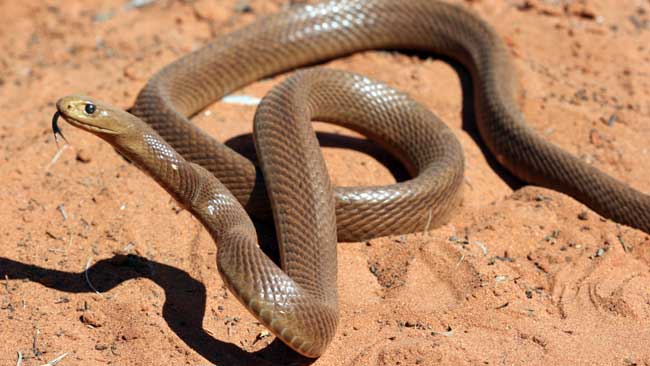 Taipans rank up there as some of the most deadly snakes and now a third species has been recently discovered. Taipans rank up there as some of the most deadly snakes and now a third species has been recently discovered. During a recent biological survey, two more of these rare Taipans have been located bringing the count worldwide to a grand total of 5 animals. From PerthNow: The two western desert taipans (Oxyuranus temporalis) were found as part of a survey in October by the WA Department of Environment and Conservation (DEC) and the Spinifex People, in partnership with the WA Museum, the Adelaide Zoo, and Museum Victoria. With the numerous reports each year of taipans in urban locations, this research may be life saving for many. To read the full article, click here. Thursday, November 11 2010Coral Snake anti-venom back in production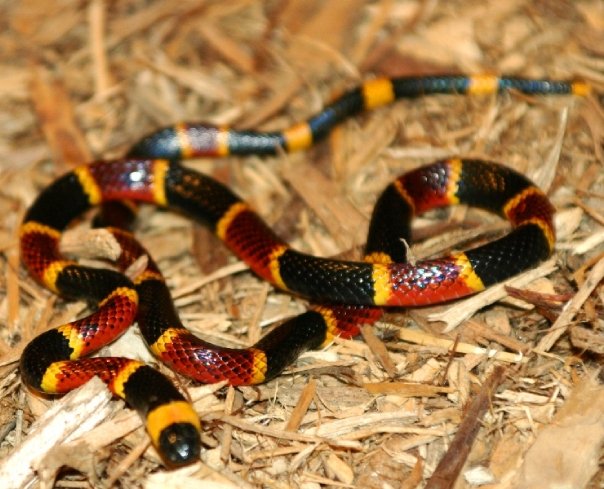 As the supply of Coral Snake anti-venom dwindles down to nothing and the expiration date approaches, Pfizer announces that it has broken ground a facility to start production again. As the supply of Coral Snake anti-venom dwindles down to nothing and the expiration date approaches, Pfizer announces that it has broken ground a facility to start production again.From Mlive.com: The initial production of antivenin (the clinical term for anti-venom) for treating coral snake bites is the function of an 11,500-square-foot facility Pfizer is building near the center of the 2,100-acre animal health research farm it has in Richland Township. The facility is being built at a cost of $3.75 million. This move will also create a few additional jobs at their new facilities. photo credit, Eric Marquette Wednesday, November 10 2010Snake Day 2010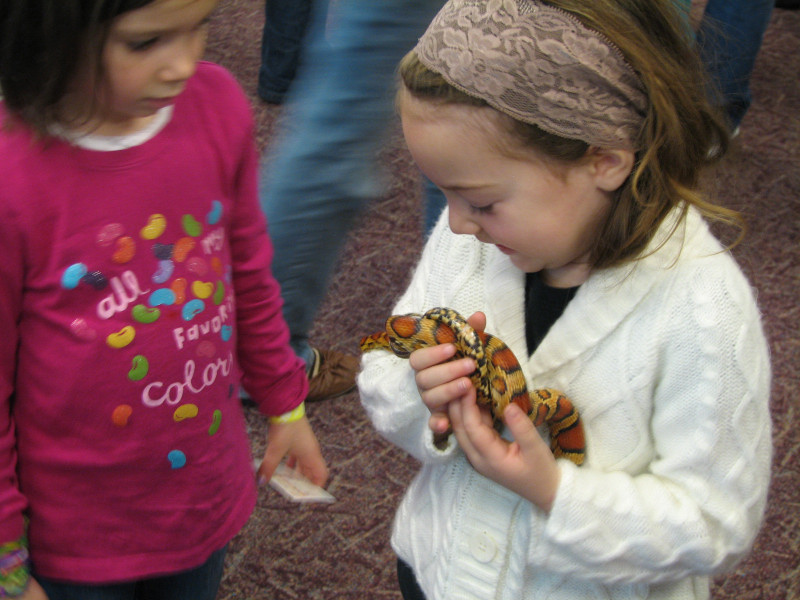 Every year for the past 10 years I have loaded up animals on a very cold day and taken a short trip to my museum. Run by Bob Henderson and hosted by the Milwaukee Public Museum, Snake Day is basically a free for all educational event. We have had some people over the years who were not thrilled with the animals in the show, but this year, folks were not only interested and intrigued but shared a genuine love for reptiles. I did have a few discussions about those lovely "animals will kill you" shows, but people seemed very receptive to the fact that those are rare instances used to make the rest of the community look crazy. One thing repeatedly pointed out to me by attendees was the fact that reptile keepers come from all walks of life. This is something I have been going on and on about for years. Every year for the past 10 years I have loaded up animals on a very cold day and taken a short trip to my museum. Run by Bob Henderson and hosted by the Milwaukee Public Museum, Snake Day is basically a free for all educational event. We have had some people over the years who were not thrilled with the animals in the show, but this year, folks were not only interested and intrigued but shared a genuine love for reptiles. I did have a few discussions about those lovely "animals will kill you" shows, but people seemed very receptive to the fact that those are rare instances used to make the rest of the community look crazy. One thing repeatedly pointed out to me by attendees was the fact that reptile keepers come from all walks of life. This is something I have been going on and on about for years.Our group included everything. Zoo professionals Rob Carmichael and his crew from Wildlife Discovery were on hand, as were breeders, keepers, educators, conservationists and rescuers; we were all there. We share all walks of life in the real world. We spanned all ages from Anna (6 years old) with her corn snakes and Harmony (7 years old) with her scorpion, all the way to Nancy and Mike who are both well into their 60s. Some have tattoos and some don't, some listen to classical and some listen to heavy metal. We work in every profession imaginable. But we share one thing, and that is our love for the cold-blooded. Our displays ranged from the tiniest amphibians to native Wisconsin species of colubrids to cobras and vipers, rare iguanas and the giants of the reptile world. We talked good pets and bad pets. Kids of all ages got their first chance to hold a snake or touch a lizard. And even more amazing is people learn about the reptiles in their own back yard. I have a few photos after the bump, but most of all, I just wanted to share that it is important to put your money where your mouth is. Public outreach right now is so very important to our community. If you are doing things like this, let us know here on our blog. Continue reading "Snake Day 2010" U.S. Fish and Wildlife Service announces candidates for Endangered Species Act The U.S. Fish and Wildlife Service has announced its annual Candidate Notice of Review, a yearly appraisal of the current status of plants and animals considered candidates for protection under the Endangered Species Act. The U.S. Fish and Wildlife Service has announced its annual Candidate Notice of Review, a yearly appraisal of the current status of plants and animals considered candidates for protection under the Endangered Species Act. A number of reptiles and amphibians remain candidates, including the Eastern Massasauga Rattlesnake, but none were added or removed this year. Being listed as a candidate species is the first step towards an "endangered" listing, but many plants and animals have languished on the list for years in a form of bureaucratic limbo (many already enjoy protection under state laws and regulations). As of yesterday's announcement, there are now 249 species recognized by the USFWS as candidates for ESA protection. The two different spins on this are interesting. This is how the government put it: The U.S. Fish and Wildlife Service today released its Candidate Notice of Review, a yearly appraisal of the current status of plants and animals that are considered candidates for protection under the Endangered Species Act (ESA). Four species have been removed from candidate status, five have been added, and eight have a change in priority from the last review in December 2008. There are now 249 species recognized by the Service as candidates for ESA protection. And this is how it is being portrayed by the Center for Biological Diversity: The Obama administration today denied Endangered Species Act protection to 251 plants and animals that government scientists have said need these protections to avoid extinction. Instead, the administration has placed them indefinitely on a list of “candidate” species, where many have already languished for years without help. Tuesday, November 9 2010Texas proposes new salmonellosis rules  The Texas Department of State Health Services has proposed a rule change requiring retailers selling live reptiles and amphibians to post new signs and make handouts available regarding the transmission and prevention of reptile and amphibian salmonellosis. These changes would reflect the current recommendations by the Centers for Disease Control (CDC), and clarify existing language. Salmonellosis has long been a concern of herpetoculturists, and this effort represents an attempt to present a single consistent message in line with the CDC recommendations. Texans have until November 21 to submit comments on the proposed rule change, which was published in the October 22 Texas Register. The proposed changes appear on the Texas Register web site; an overview of the changes appears below the jump. Comments should be sent to Tom Sidwa, DVM, Department of State Health Services, Community Preparedness Section, Zoonosis Control Branch, Mail Code 1956, P.O. Box 149347, Austin, TX 78714-9347 or via email to Tom.Sidwa@dshs.state.tx.us. Continue reading "Texas proposes new salmonellosis rules" Sunday, November 7 2010 |
Our Sponsors CategoriesSubscribe |

|

|

|
|

