"Love means loving the
unlovable,
or it is no virtue at all."
Heretics
Gilbert Keith Chesterton (1874-1936)
Catholic apologist, essayist, novelist, and poet
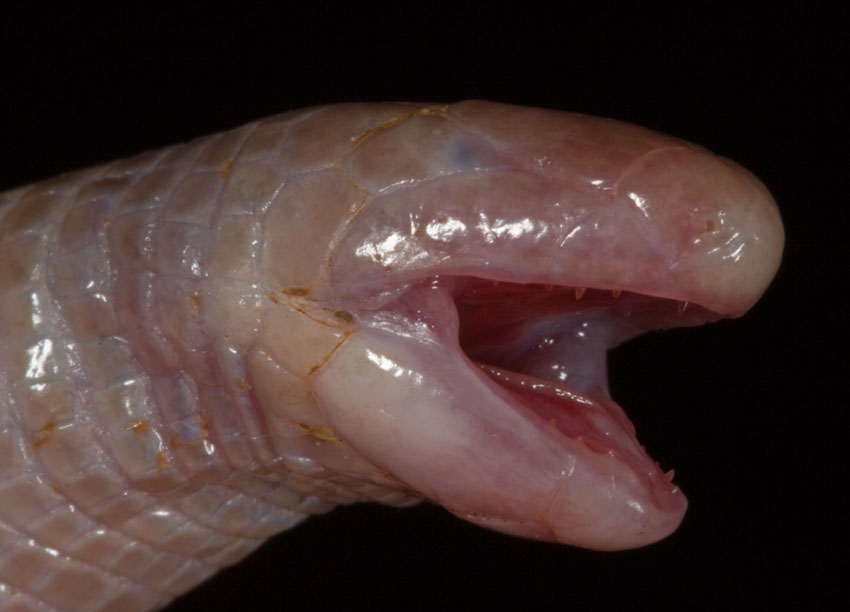
Puerto Rican many-ringed wormlizard, Amphisbaena bakeri. Maricao State Forest, western Puerto Rico.
Lurkers Underground
ORDER AMPHISBAENIA
Wormlizards were until
recently considered to be legless lizards. However, they are now
placed their own taxonomic order, Amphisbaenia, apart from
lizards and snakes. These are indeed weird, fascinating
animals.
They might be distantly
related to teiids (tegus, whiptails, ameivas, etc.). The order's
name comes from the Greek, "that which walks in two directions",
for their capacity to move equally forward and backward both
inside their subterranean burrows as well as above ground. The
name also makes allusion to the fact that it is quite difficult
at first glance to tell which end of the animal is which, since
the stubby tail resembles the head. The name also makes
poetic reference to the mythical Amphisbaena, a snake-like moster
with a head at both ends.
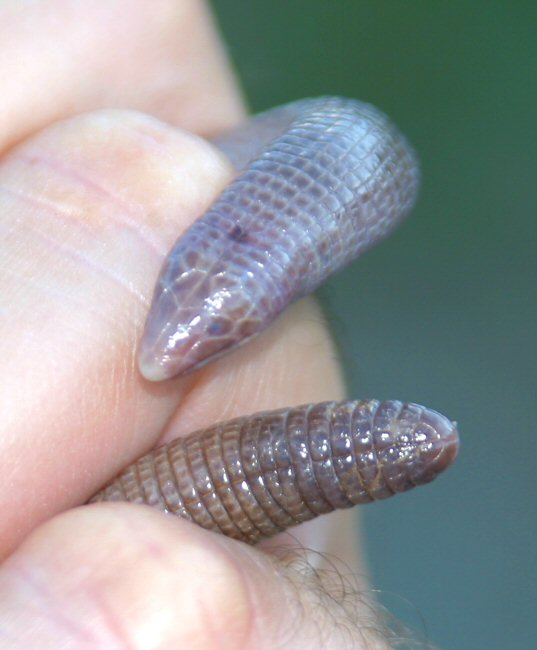
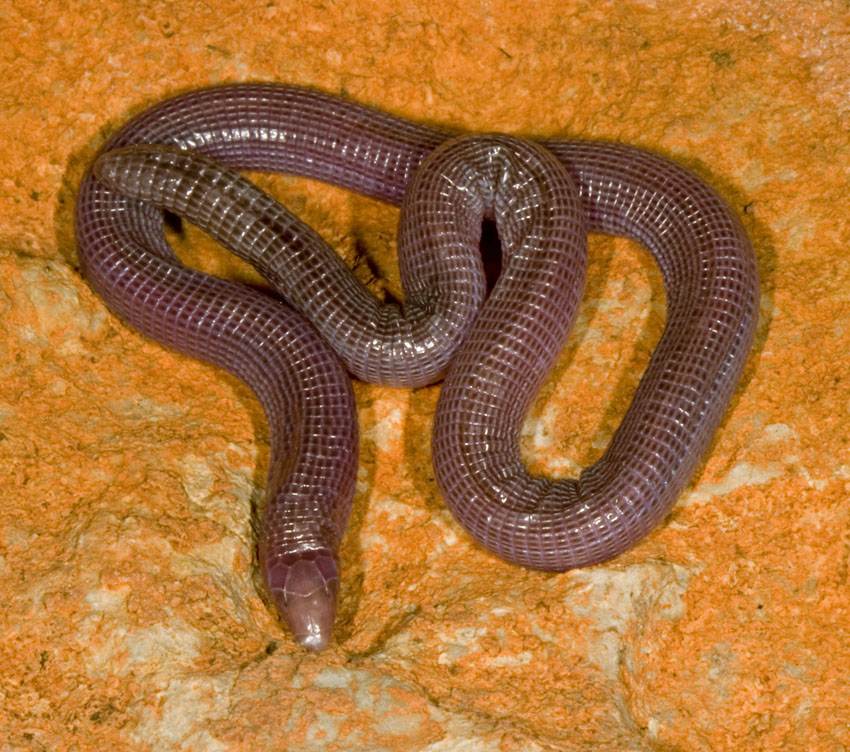
At first glance, the head and tail of an amphisbaenid look alike.
First photograph: Virgin Island's wormlizard, Amphisbaena fenestrata. Crown Mountain, central Saint Thomas, United States Virgin Islands.
Second photograph: Puerto Rican xeric wormlizard, Amphisbaena xera. Guanica State Forest, south-western Puerto Rico.
As an adaptation for their chthonic existence, the bones of their skulls and jaws are heavy, solid, and partially fused together. They use their heads for shoveling soil and tunneling under rocks, roots, and fallen logs. They are seldom seen above ground, and even then only at night or when torrential rains flood their lairs. Like snakes, they are mostly deaf to airborne sounds, but are highly sensitive to vibrations in the substrate, and their protractible bifid tongues help them enhance their strong sense of smell. The members of the Mexican family Bipedidae (four species) is unique among all extant reptiles in having only forelegs. The skins of amphisbaenians are loosely attached to the body, and they move in an accordion fashion. With their elongated but stout bodies surrounded by rings of squarish scales, their inconspicuous eyes, and their usually gray, cream, or pink colors, these strange reptiles resemble fat earthworms. Their vestigial eyes are useless except to distinguish between light and dark, but can nonetheless be noticed under the translucent skin of their heads.
West
Indian members of this order belong to the families Amphisbaenidae
and Cadeidae.
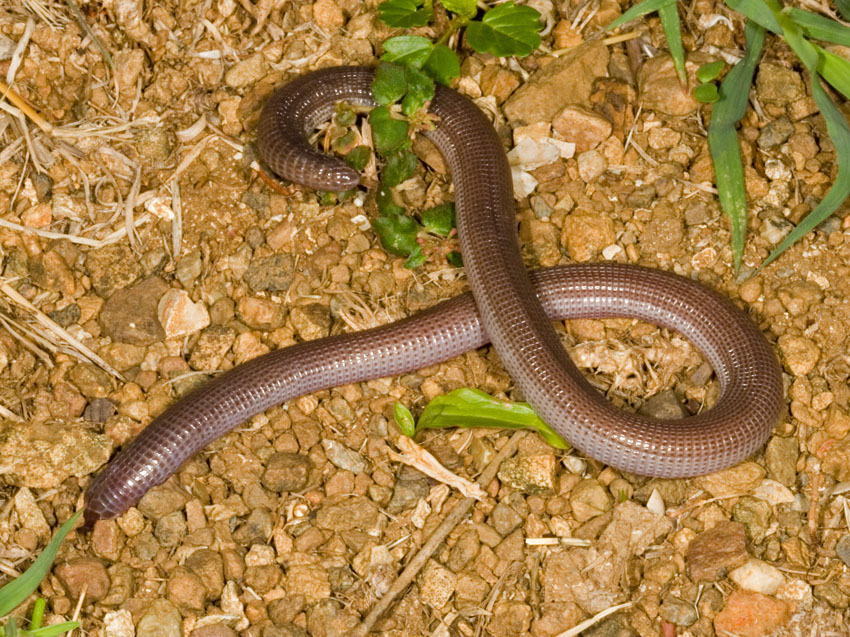
A Virgin Islands wormlizard, Amphisbaena fenestrata, uses its head as a shovel in order to burrow underground.
Crown Mountain, central Saint Thomas, United States Virgin Islands.
Family Amphisbaenidae: Typical Wormlizards
This group is present in Africa, South America, and in the West Indies they are found in the Greater Antillean island banks, except for Jamaica's. Only the genus Amphisbaena is present in this region. Cuba has three species, Hispaniolan has seven, and Puerto Rico is inhabited by five species. It is probable that more await discovery.
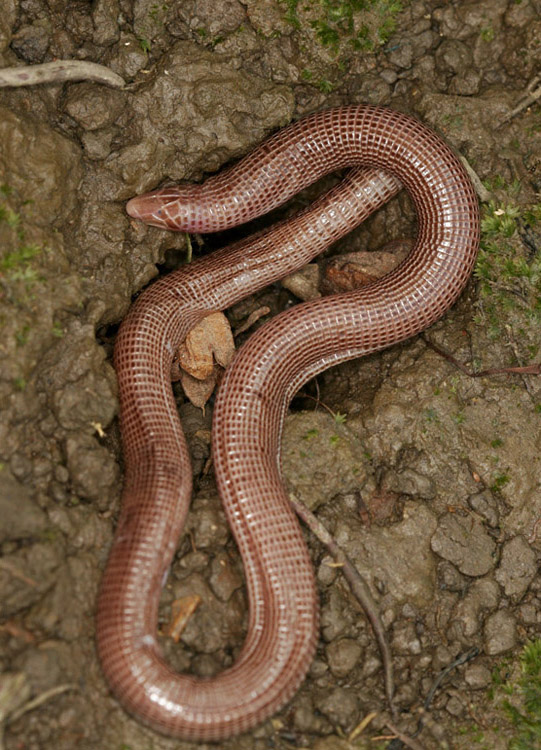
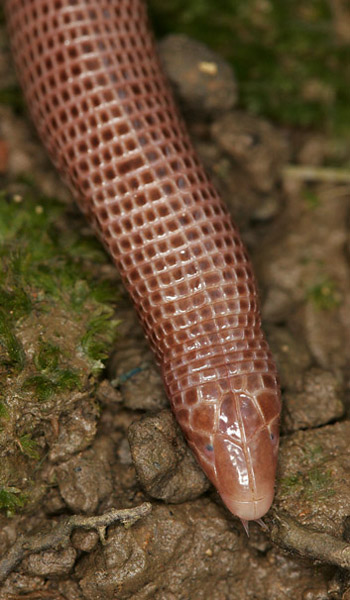
Hispaniolan dwarf wormlizard, Amphisbaena manni. Bani, south-western Dominican Republic Hispaniola.
(Photographs courtesy of Mr. Miguel Angel Landestoy).
As happens with the blind burrowing snakes like Typhlops and Leptotyphlops, the diverse species of wormlizards are very difficult to tell apart at first glance. They all look extremely similar to one another, and one often has to look closely at their head squamation or count body annuli to be identified.
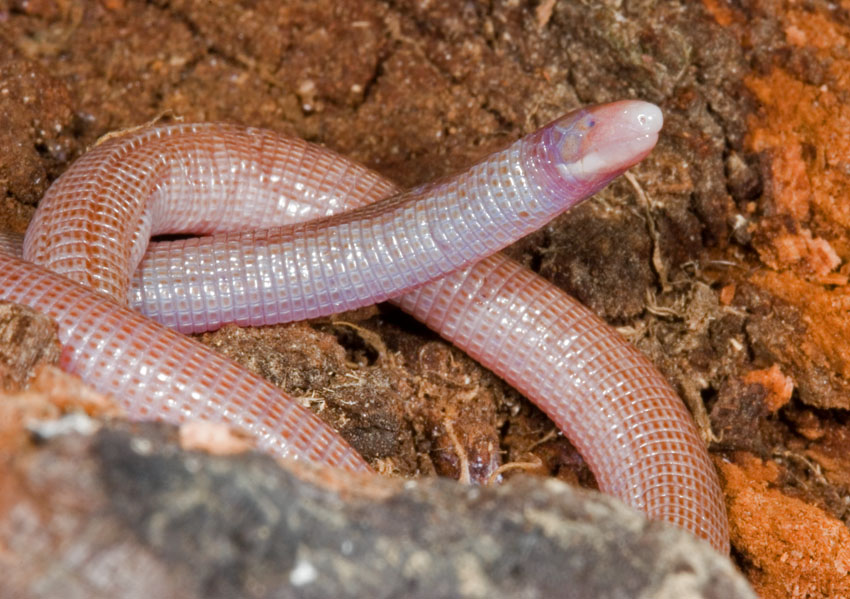
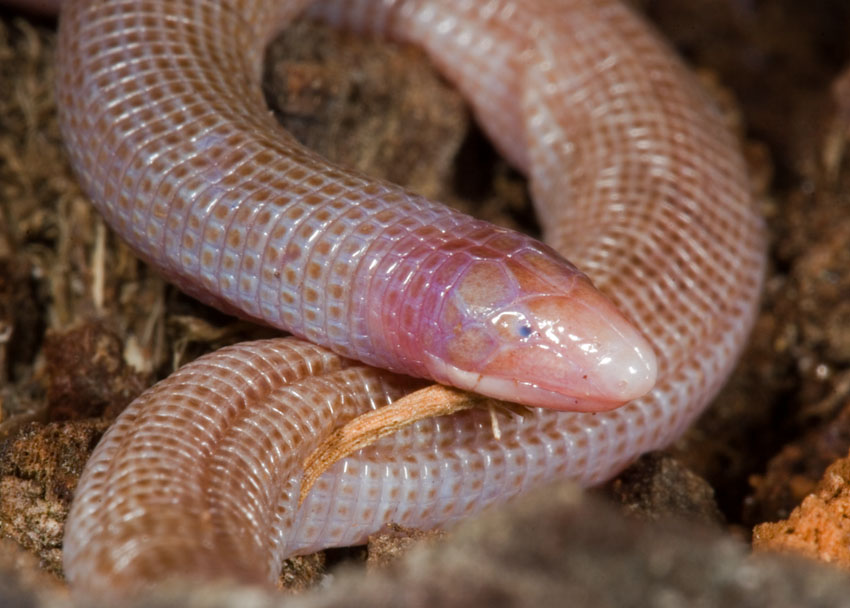
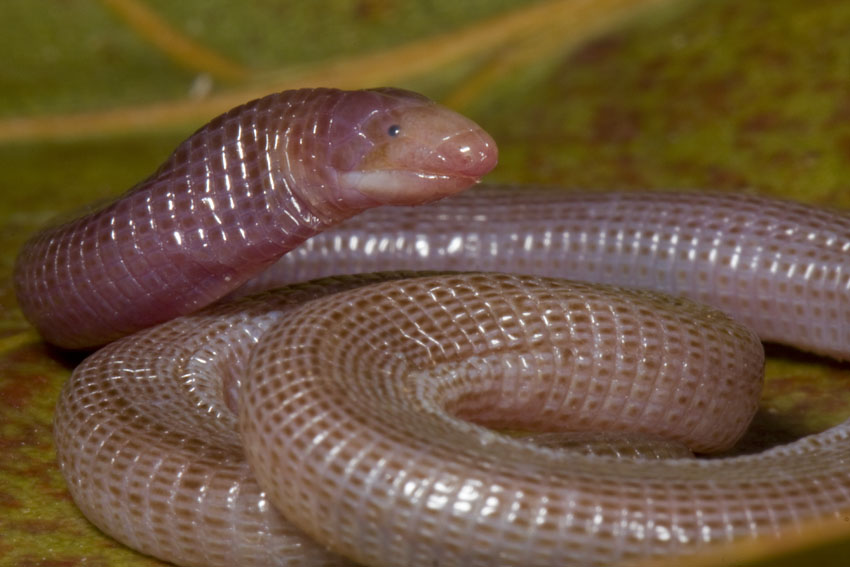
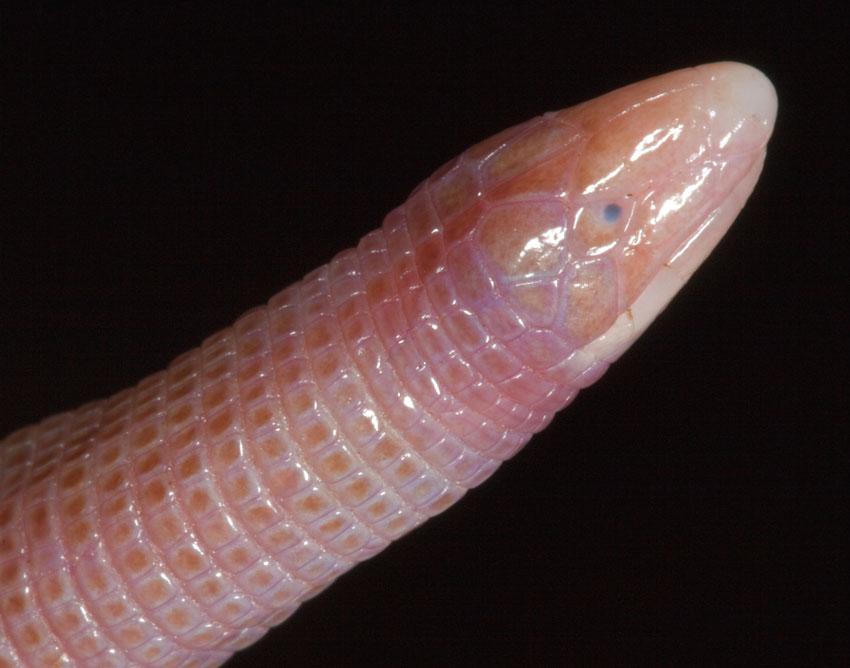
Puerto Rican xeric wormlizard, Amphisbaena xera. Guanica State Forest, south-western Puerto Rico.
This species is limited in its distribution to the dry, south-western region of the island.
Wormlizards are generally small but fierce predators capable of biting off pieces from any small animal that crosses their path, and then swallowing them with the help of their short and muscular tongues. They occasionally eat carrion, as well. Many don't hesitate to bite when handled and, although indeed their teeth are very sharp and their jaw muscles are enormously strong for their size, none except the largest species can inflict any serious pain on a human hand. All the same, even rather small species can draw some blood, delivering quite a pinch by fastening to a finger with bulldog-like tenacity, and then twisting their bodies around, seemingly with every intention of ripping off as big a chunk of flesh as possible.
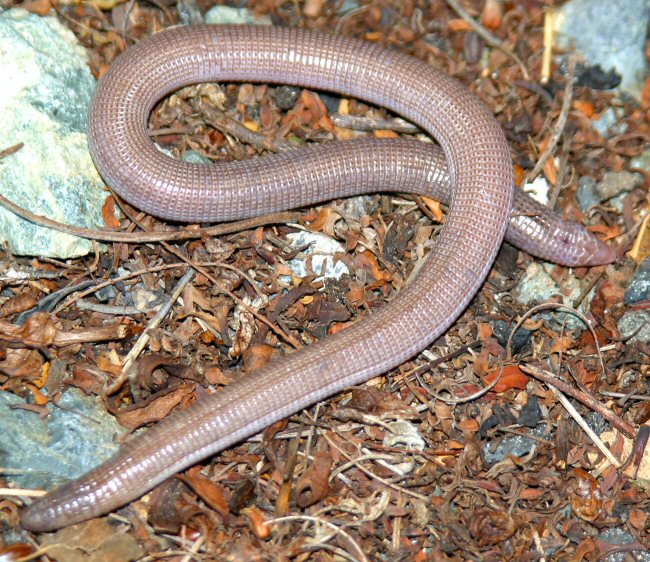
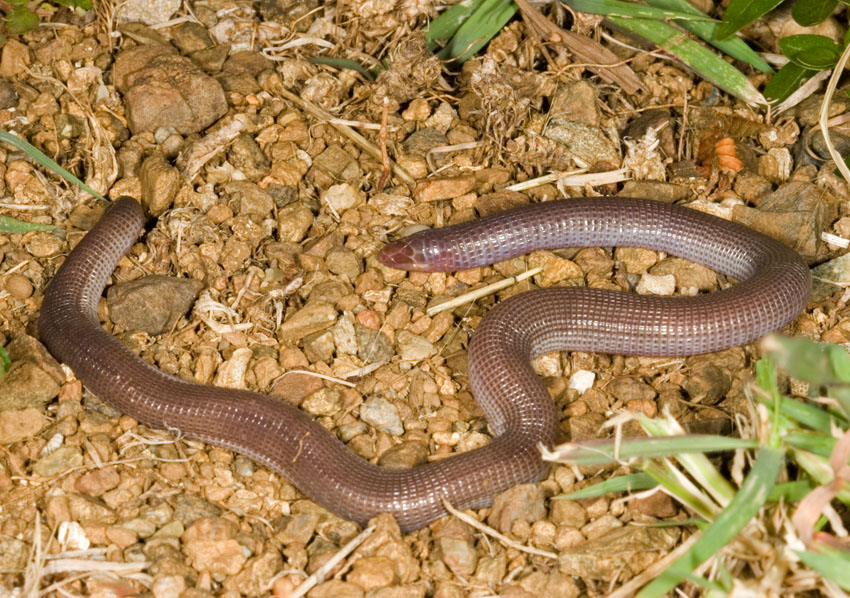
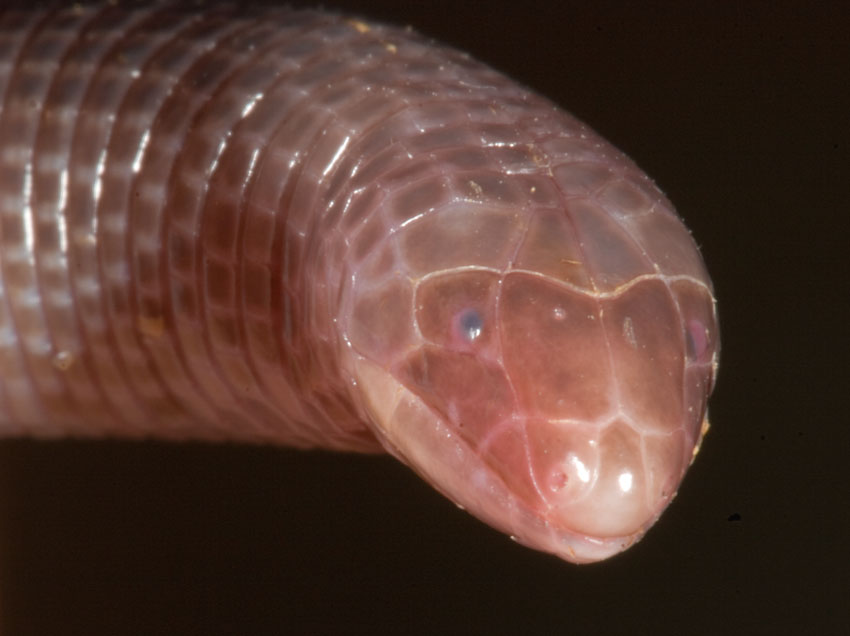
Virgin Islands' wormlizard, Amphisbaena
fenestrata. Crown Mountain, central Saint Thomas, United
States Virgin Islands.
This species is one of the very few vertebrates endemic to this group of small islands, easternmost part of the Puerto Rican bank.
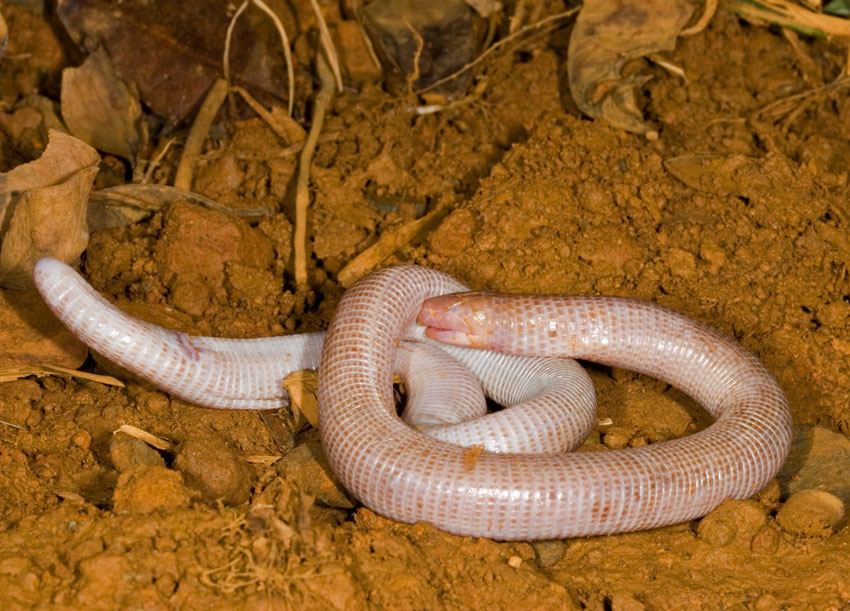
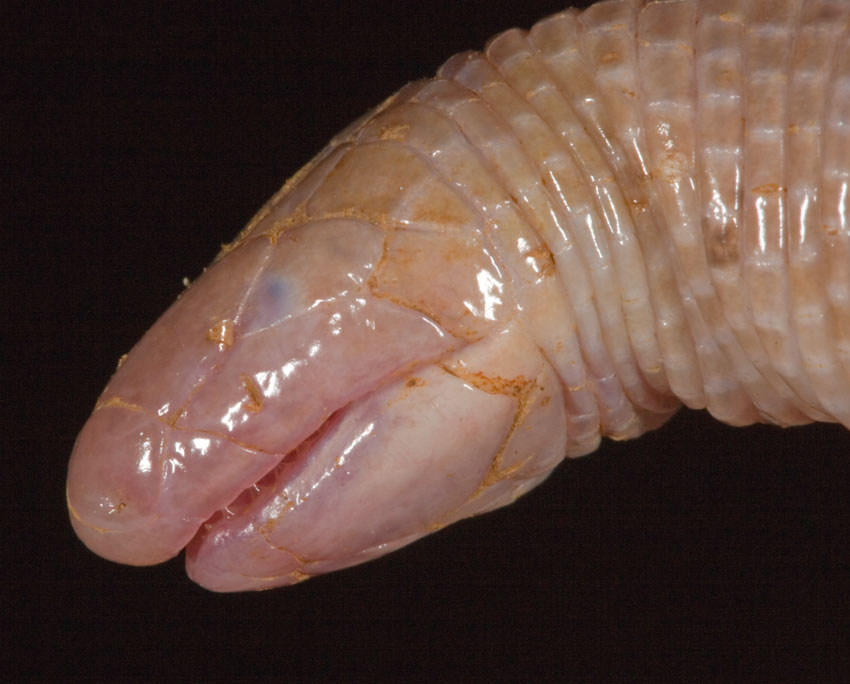
Puerto Rican many-ringed amphisbaena, Amphisbaena bakeri. Maricao State Forest, western Puerto Rico.
Its distribution is restricted to the mesic karstic
and serpentine forests of western Puerto Rico.
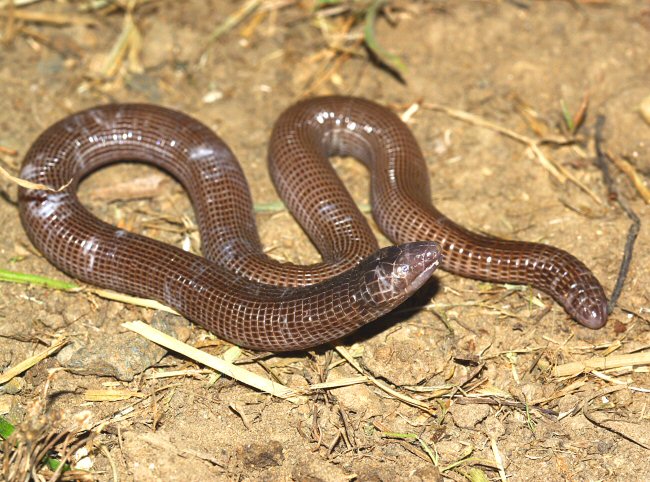
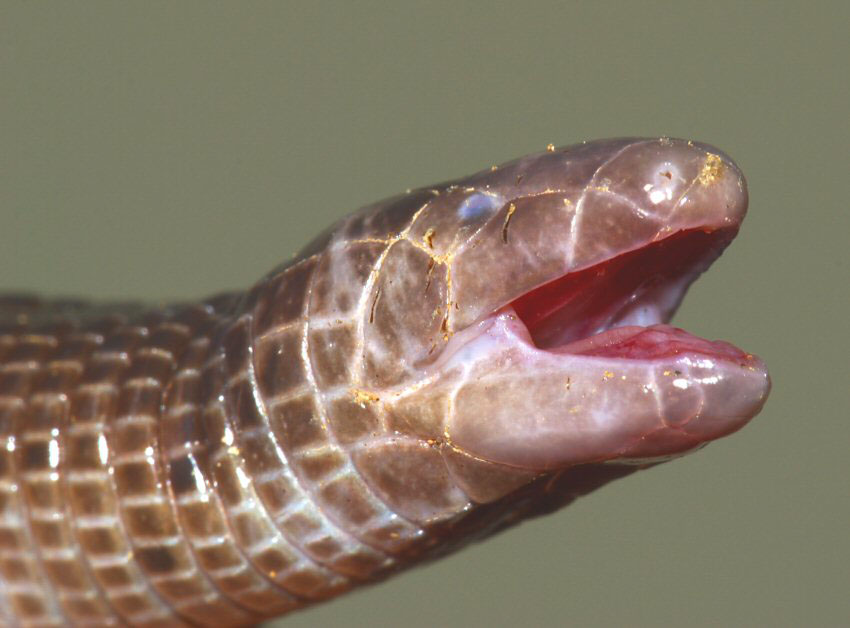
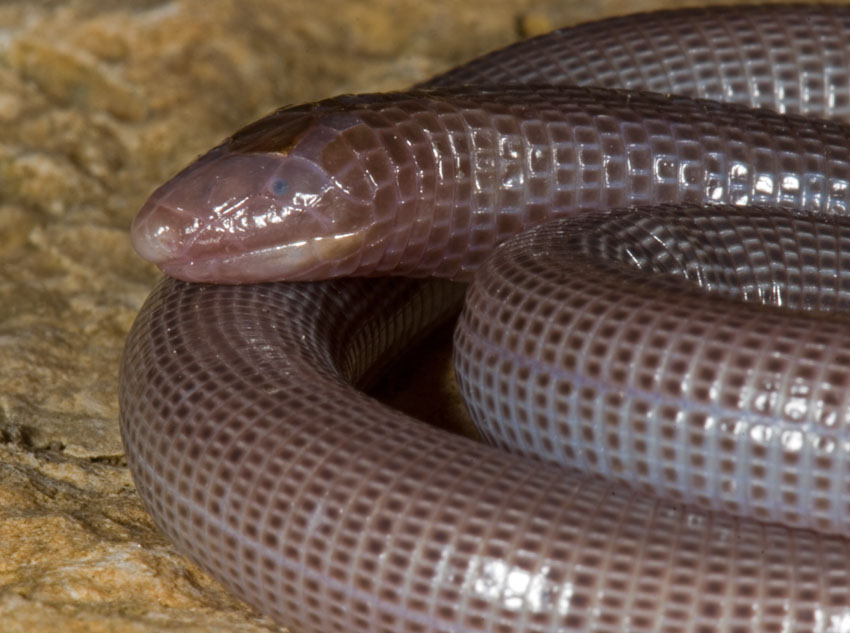
Puerto Rican common wormlizards, Amphisbaena caeca.
First two photographs: Utuado, central Puerto Rico.
Third photograph: Forth Buchanan, Gaynabo, north-eastern Puerto Rico.
Wormlizards may have egregiously rotten tempers, and often bite as soon as they are held in hand.
The spots on the body and head of this individual are bite scars earned during squabbles with others of its kind.
Of course, such battles are almost never witnessed by people, since they happen underground.
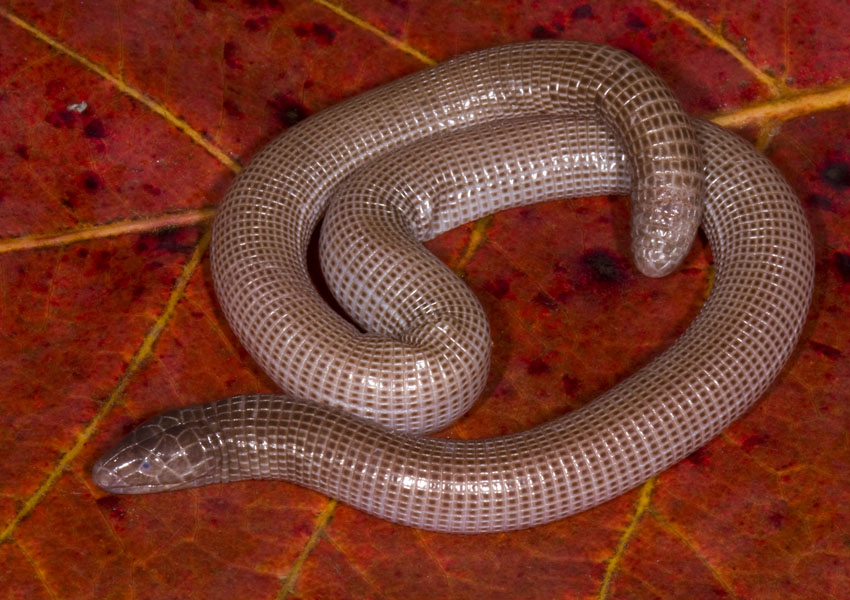
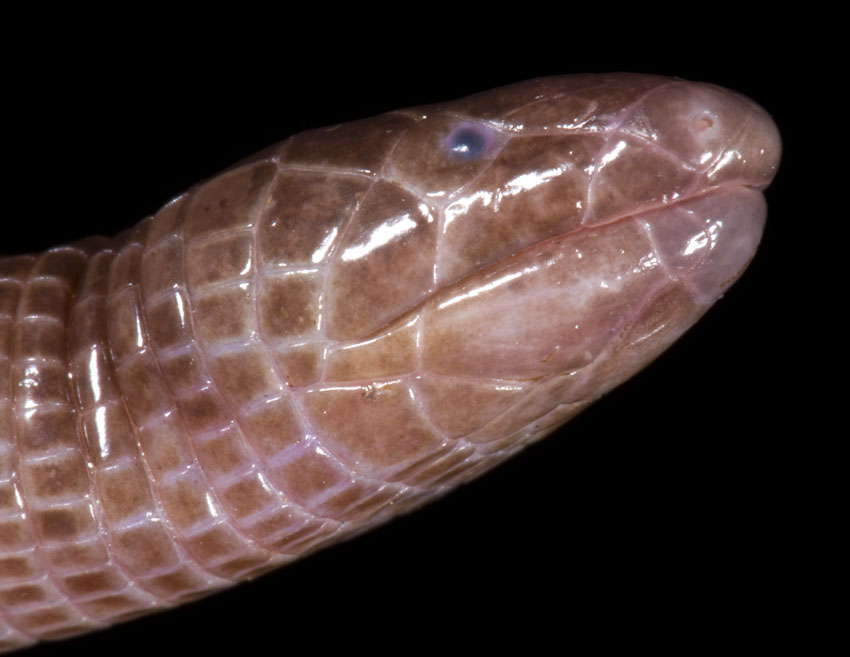
Puerto
Rican
dusky wormlizard, Amphisbaena schmidti. Florida,
central Puerto Rico.
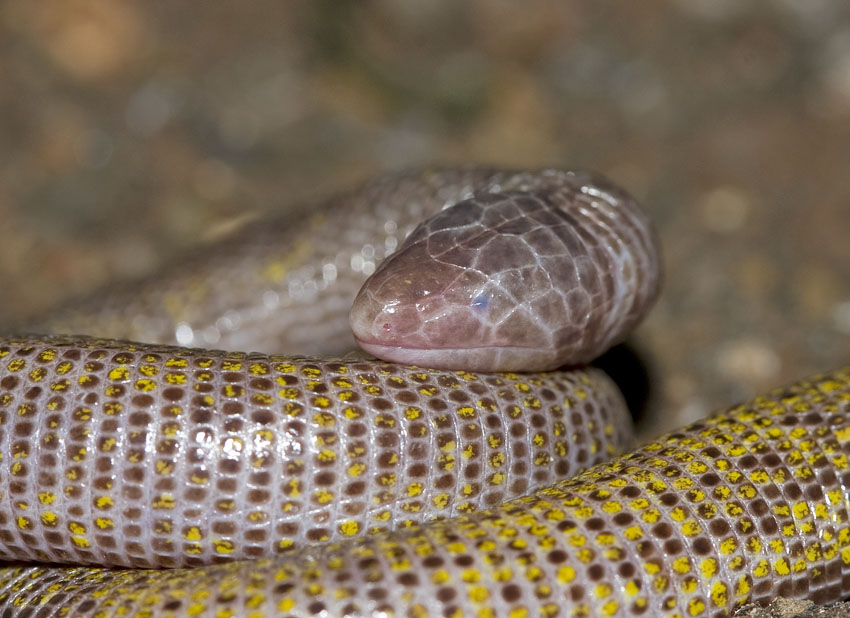
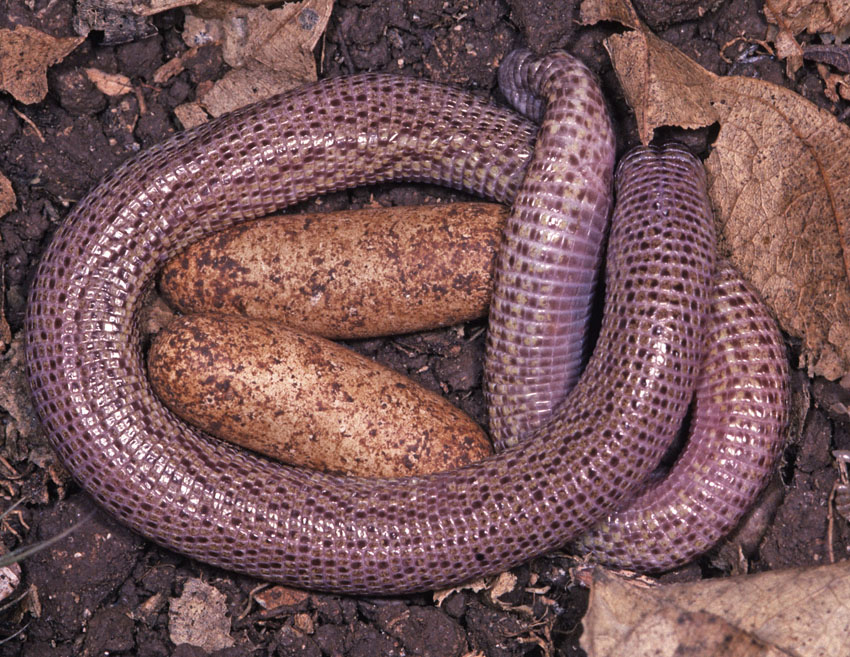
Cuban spotted wormlizard, Cadea blanoides, with two eggs. Viñales, Pinar del Rio, north-western Cuba.
(Photograph courtesy of Dr. S. Blair Hedges).